
Pest identification
What is this bug? Start with what you saw.
Find the pest you've seen in its group below, then open its page for how to identify it, what it gets confused with, whether it's harmful and when it's a job for a pest business.
How to identify a pest
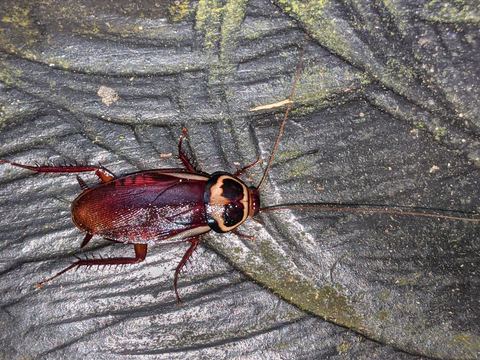
Start with the shape. Eight legs means a spider. Six legs and a pinched waist means an ant, wasp or bee. Flat, fast and shiny is usually a cockroach. Pale and soft with no waist at all, found in or near timber, is worth checking against termites, which the Australian Museum describes as having no waist between the thorax and abdomen.
If you've found signs rather than the pest itself, such as droppings, mud tubes, webbing in the flour or holes in a jumper, the room by room guides work from the room and the sign instead.
Every pest here is drawn rather than photographed, so you can compare shapes without a close-up of something you'd rather not look at. Each page says what it looks like, where it lives, what it does to you or the house, and whether it's worth calling anyone at all. Sometimes the honest answer is no: one huntsman on the wall is not a job.
A few that need more than a page
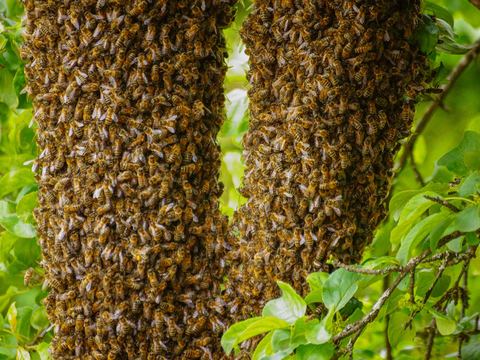
Fire ants are reported first: to Biosecurity Queensland, or the NSW Biosecurity Helpline in NSW. European wasps in WA go to the state agriculture department. A bee swarm on a branch is usually a beekeeper's job. Possums are protected wildlife, so see the possum rules before anything else. Snakes aren't pest control at all: keep the number of a licensed snake catcher handy.
Still not sure? Tap Not sure what it is and describe what you saw.
Identify a pest
Know what you're looking at
Photographed up close, the way a field guide shows them. Each one says how to tell it apart, what it means for the house, and when it's a job for a pest business.
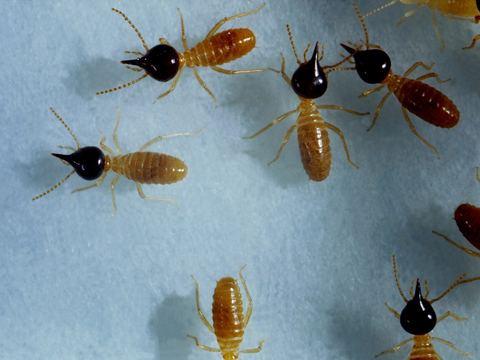
Termites
Pale, soft and shy of light. Mud tubes and hollow timber give them away.Coptotermes and others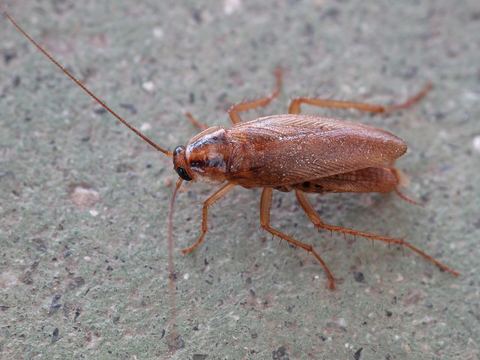
German cockroach
Small, light brown, two dark stripes behind the head. Lives in kitchens.Blattella germanica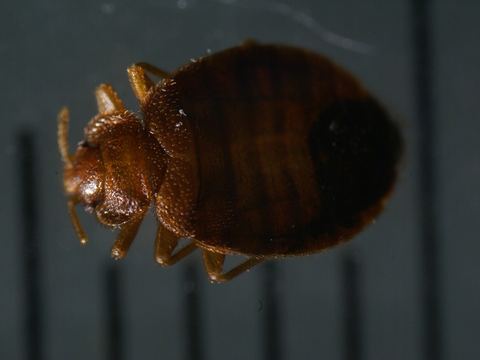
Bed bugs
Flat, oval and reddish brown. Bites in a line, specks on the mattress seams.Cimex lectularius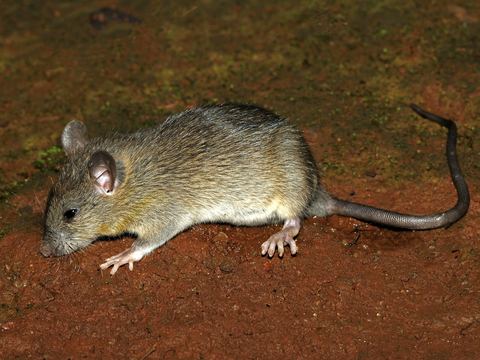
Roof rat
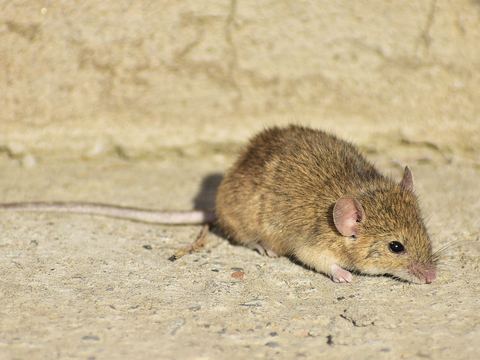
Long tail, big ears, a climber. Scratching above the ceiling at night.Rattus rattus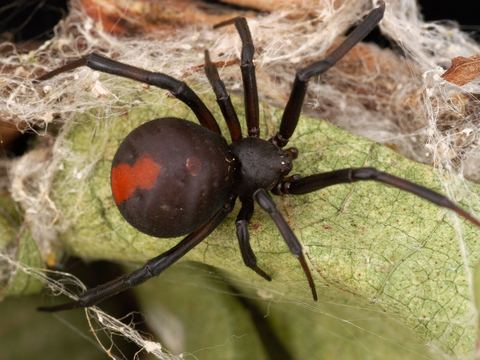
Redback
Black, with a red stripe on the female's back. Dry, sheltered corners outside.Latrodectus hasselti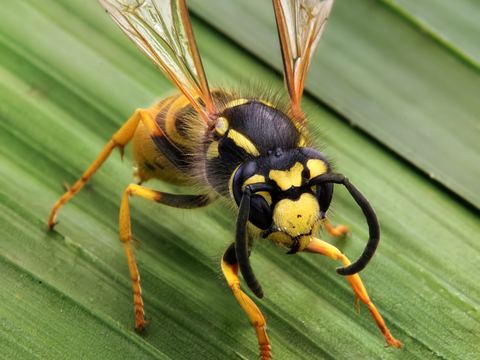
European wasp
Yellow and black, folds its wings. The nest is usually hidden.Vespula germanica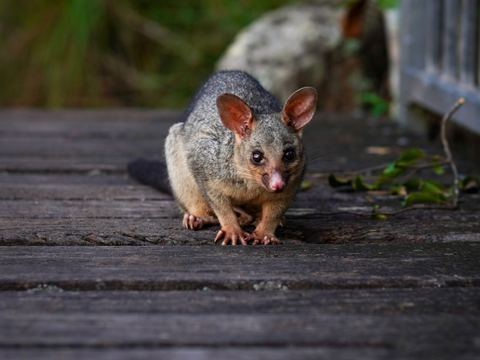
Brushtail possum
Heavy thumping in the roof after dark. Protected in every state.Trichosurus vulpecula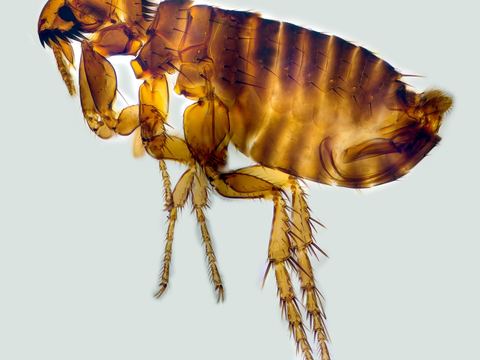
Cat flea
Tiny, dark and a jumper. Bites around the ankles, often after a pet leaves.Ctenocephalides felis
Identify a pest
Spiders
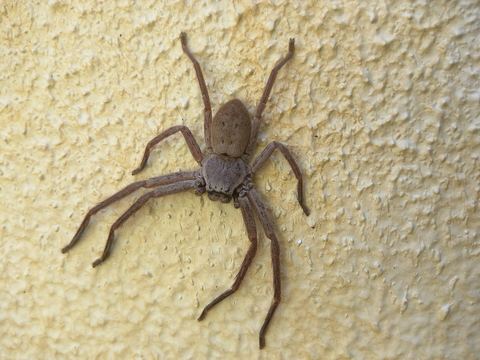 Huntsman spiderWhy the big flat spider is on your wall or in your car, and what a bite does.Read it
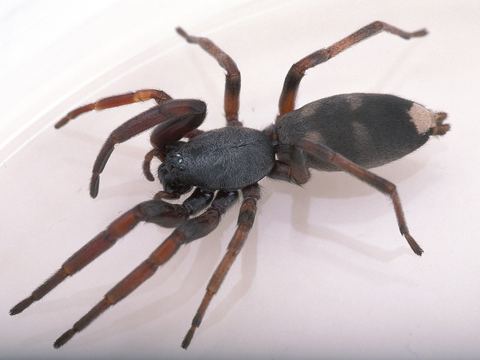 White tail spiderHow to spot a white tail spider, and what a bite really does.Read itRedback spiderWhat a redback looks like, where it hides, and what to do after a bite.Read it
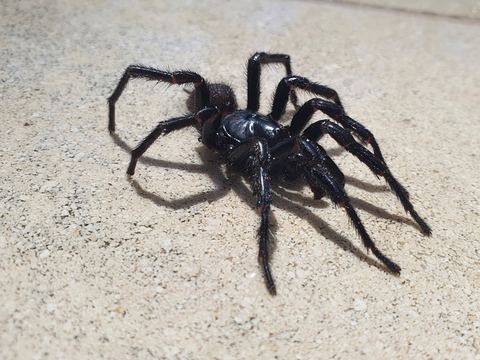 Funnel web spiderFunnel-web bite first aid, how to recognise one, and when males wander into houses.Read itSpiders around the houseWhich house spiders matter, how to tell them by their webs, and when spraying helps.Read it
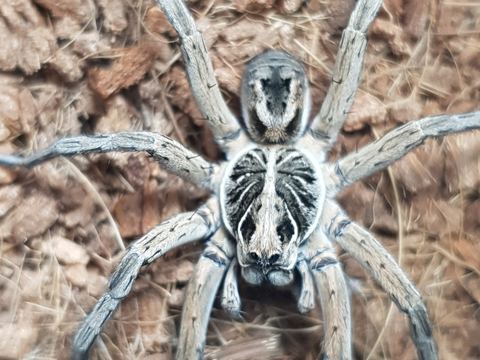 Wolf spiderLawn burrows, babies on the back and a square of eyes: how to recognise a wolf spider and what a bite does.Read it
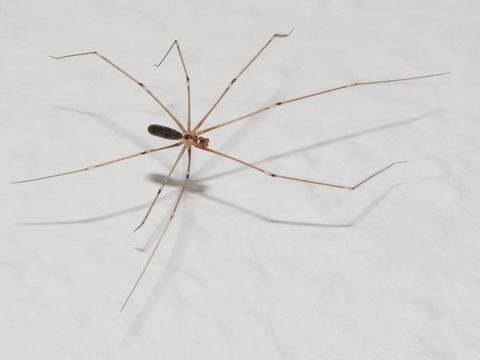 Daddy long legs spiderHow to recognise a daddy long legs, and the truth about the venom story.Read it
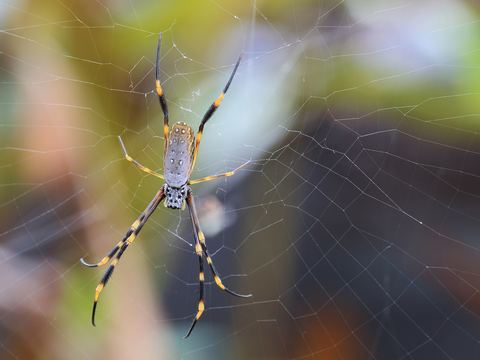 Golden orb weaverThe big spider in the golden web: how to identify it, and what a bite is like.Read it
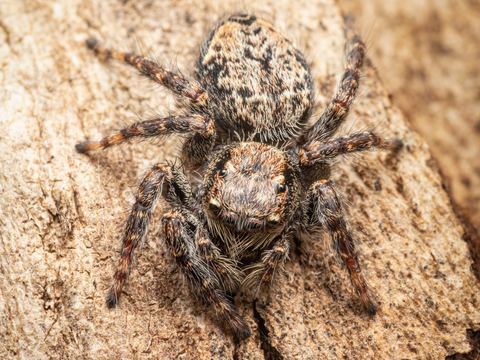 Jumping spiderHow to identify a jumping spider, and why it's one to watch rather than worry about.Read it
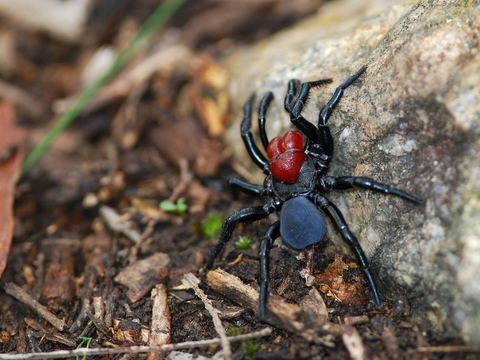 Mouse spiderHow to identify a mouse spider, how it differs from a funnel-web, and what to do after a bite.Read it
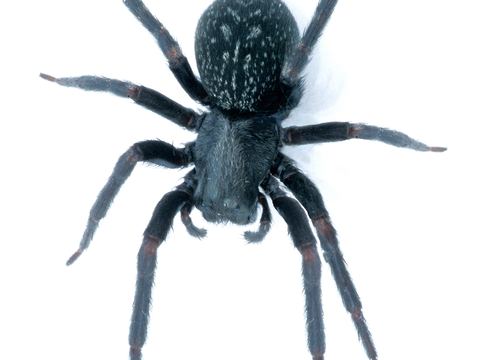 Black house spiderHow to spot a black house spider, why it isn't a funnel-web, and what to do after a bite.Read it
Identify a pest
Ants
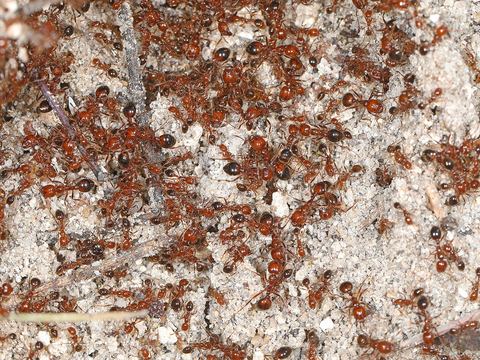 Fire antsWhat fire ants look like, how to report them, and why reporting always comes first.Read it
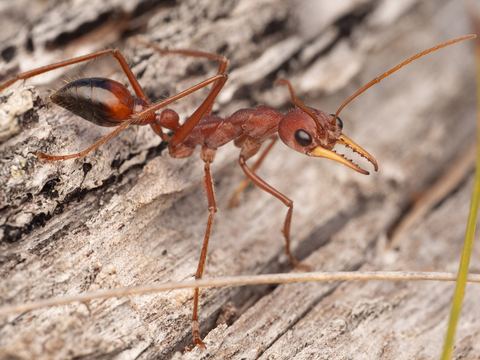 Bull antsAustralia's big stinging ants: how to recognise them, sting first aid, and when a nest needs a pest business.Read it
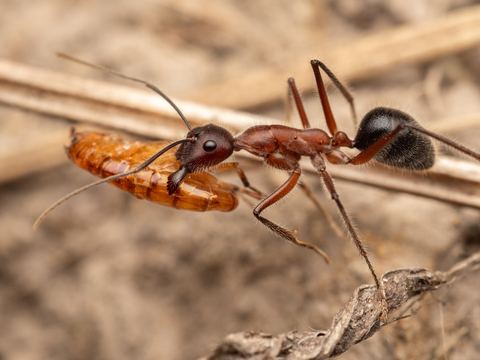 Carpenter antsCommon, night active and often mistaken for termites: what carpenter ants are and what they really damage.Read it
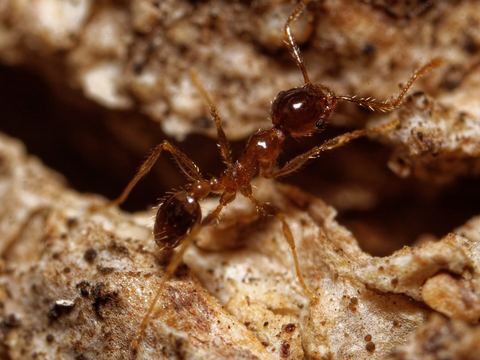 Ants in the houseCoastal brown, white footed, black house or Argentine: how to tell house ants apart and what each needs.Read it
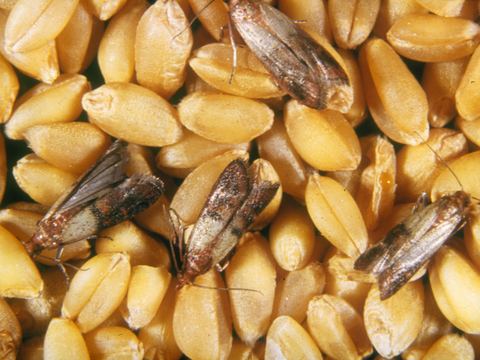 Pantry mothsLittle moths in the kitchen and webbing in the cereal: what pantry moths are and how to clear them out.Read it
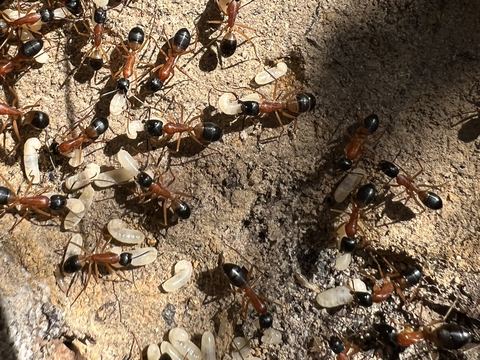 Sugar antsBanded sugar ant or tiny kitchen ant: how to tell which sugar ant you've got.Read it
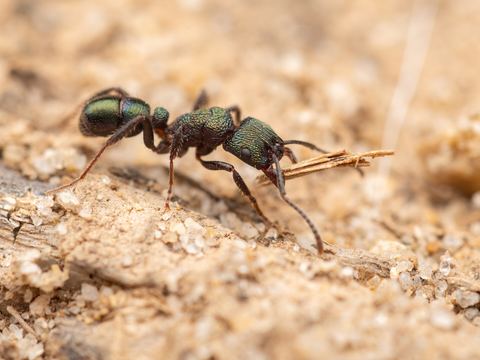 Green antsHow to identify a green-head ant, where it nests, and what to do after a sting.Read it
Identify a pest
Wasps and bees
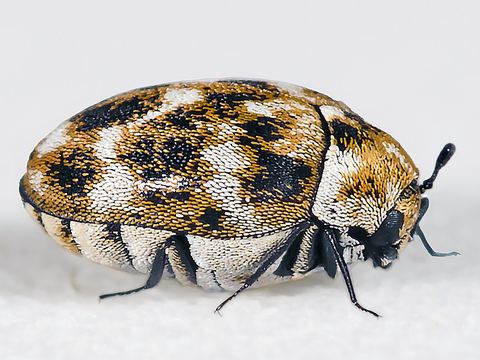 Carpet beetlesTiny beetles on the sill, hairy grubs in the wool: how to read the signs and what helps.Read itEuropean waspHow to pick a European wasp from a paper wasp, find the nest without getting stung, and the WA report line.Read it
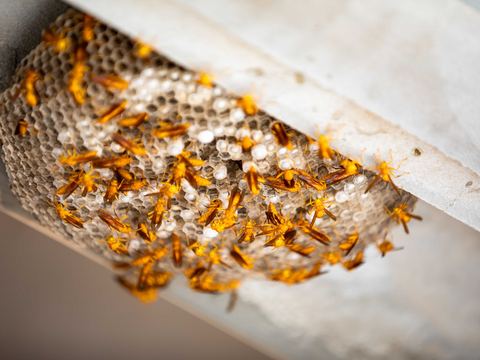 Wasps and wasp nestsPaper wasp, European wasp or mud dauber: read the nest, then decide whether it needs a pest business.Read it
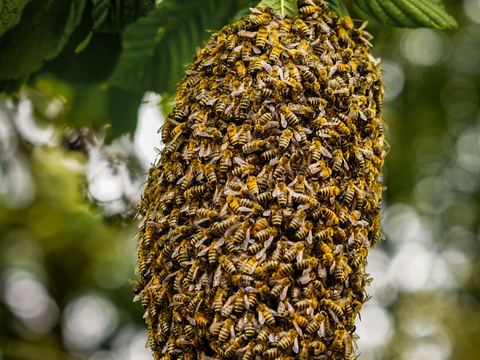 Bee swarmsA cluster of bees on a branch or fence: leave it, keep back and call a beekeeper. Here's why.Read it
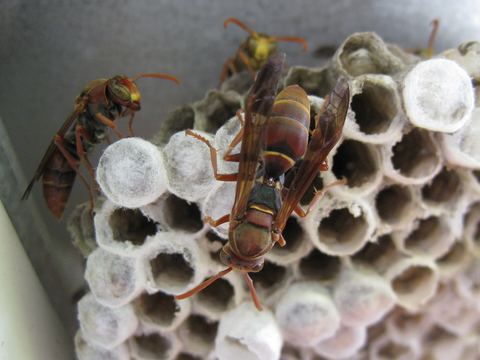 Paper waspHow to identify a paper wasp and its comb, sting first aid, and when a nest is worth a call.Read it
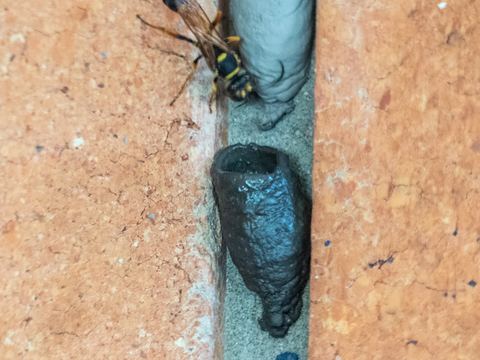 Mud wasps (mud daubers)What a mud dauber nest is, why it's full of spiders, and whether it needs a call.Read it
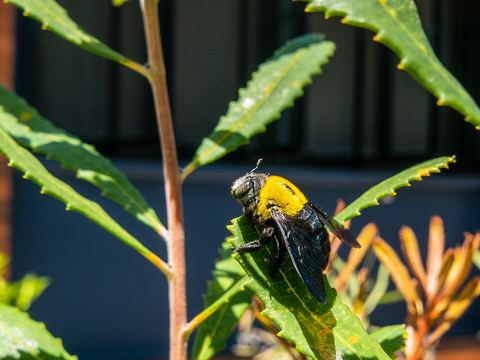 Carpenter beeHow to recognise a carpenter bee, where it nests, and why it's usually worth leaving alone.Read it
Identify a pest
Moths, beetles, silverfish and booklice
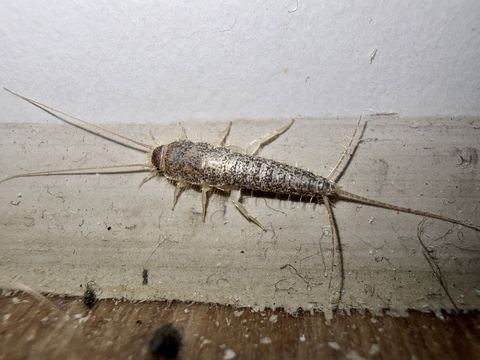 SilverfishHow to identify silverfish, what they eat, and how to make a house less inviting.Read it
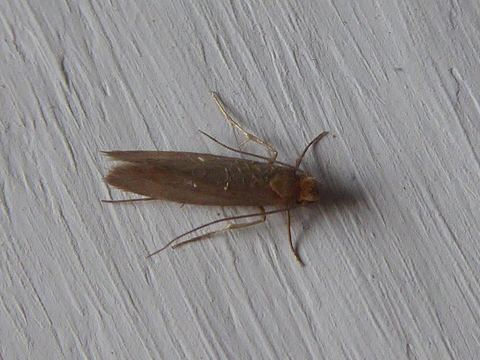 Clothes mothsHoles in woollens, little silk cases in the drawer: how clothes moths work and how to keep them out.Read it
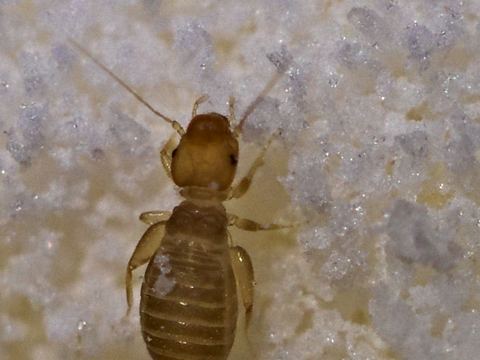 BookliceTiny pale specks moving on old books or in the pantry: what booklice are and why fixing damp fixes them.Read it
Identify a pest
Outdoors: centipedes, earwigs and more
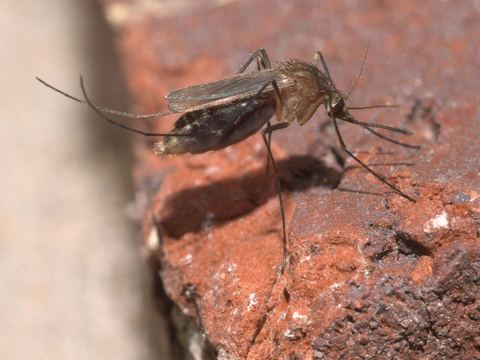 Mosquitoes around the houseWhere mosquitoes breed in a backyard, which repellents health advice names, and what a yard treatment can do.Read it
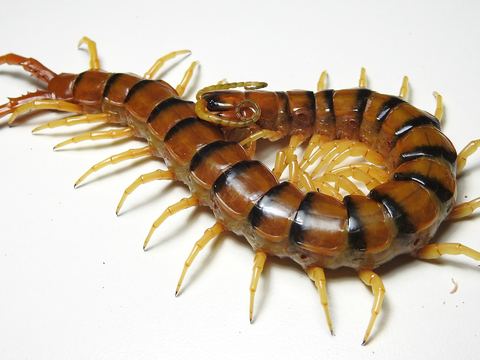 CentipedesHow to identify a centipede, what a bite is like, and why they come inside.Read it
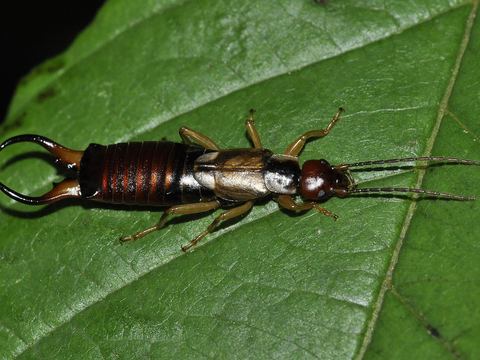 EarwigsHow to recognise an earwig, which one damages gardens, and what to do about it.Read it
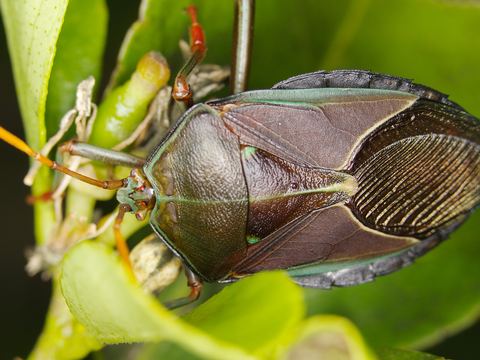 Stink bugsWhich stink bug you've got, why to keep it away from your eyes, and the one to report.Read it
Related help
More on pest identification
 Pest control servicesEvery pest job, what each one involves, and what to ask before anyone starts.Read itSpiders around the houseWhich house spiders matter, how to tell them by their webs, and when spraying helps.Read itTermites (white ants)What termites look like, how they differ from ants, and what to do when you find them.Read it
 Seasonal pest calendarTermite flights, wasp season, swarms, mice and mosquitoes, season by season and region by region.Read it
Where this information comes from
- Australian Museum Termites, checked 3 November 2026
- Which Pest Editorial policy, checked 3 November 2026
- Which Pest The enquiry form, checked 3 November 2026
- Business Queensland (Queensland Government) Fire ant, checked 3 November 2026
- WA Department of Primary Industries and Regional Development European wasps: declared pests in Western Australia, checked 3 November 2026
- NSW Government (ministerial release) Fire ants confirmed and treated at a Tweed Heads site, checked 3 November 2026
- Queensland Government (qld.gov.au) Living with snakes, checked 3 November 2026
Rules and advice change, so check the source before you act on anything here. How we write and check these pages.