
Is it fleas?
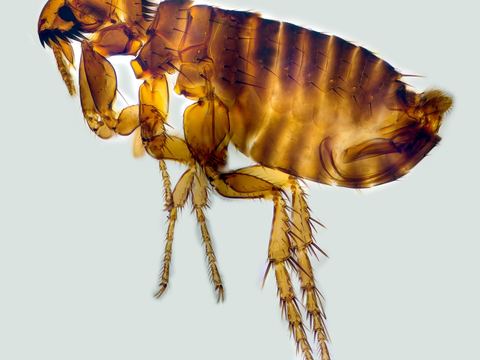
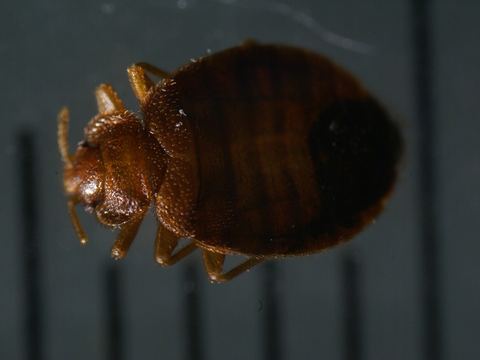
Adult fleas are small, brown, wingless and oval, 2 to 4 mm long, and they jump. Part your pet's fur around the ears and rump and look for fleas, or for droppings that look like tiny dark specks.
To test a speck, put it on a lightly dampened white tissue. Flea droppings leave a ring of blood, says Victoria's Department of Health.
On people, the bites cluster on the legs and feet. A flea bite is extremely itchy, comes up as a red, swollen lump within 30 minutes, and may blister about a day later.
Why an empty house can be full of fleas
Adult fleas can wait inside their cocoons until they sense vibration, heat, noise or carbon dioxide. So a house that's been shut up for a while can greet you with bites the day you walk back in.
The whole cycle from egg to adult takes anywhere from 2 weeks to 8 months, depending on temperature, humidity and food, and adults can go many months without feeding. That's why a follow-up treatment is common.
What a flea treatment usually involves
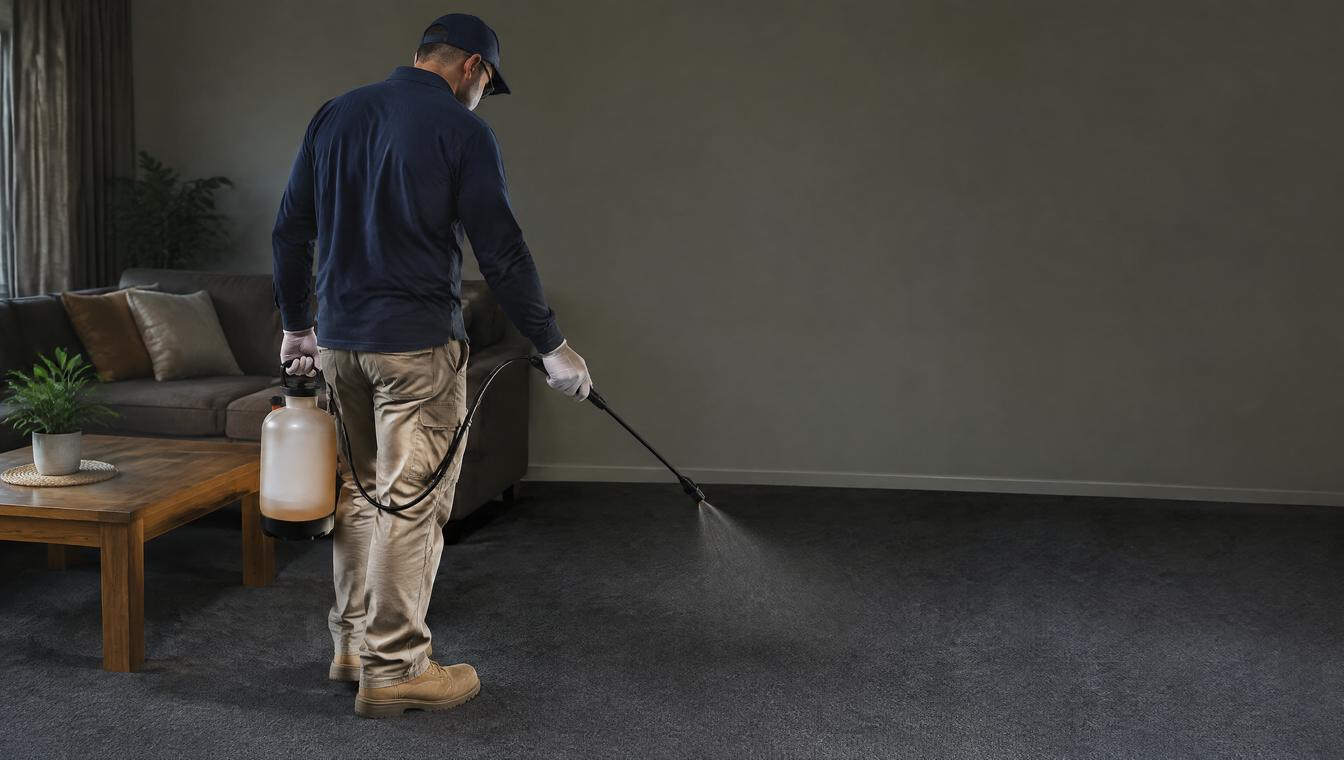
The pest business treats where fleas develop: carpets, rugs, under furniture and wherever the pets rest, and outside in the subfloor, shed, kennel and shady spots in the yard.
Your vet treats the animals. Victoria's Department of Health says pets are a key source of fleas and treating them is essential to stop the fleas coming back, so line the two up for the same week.
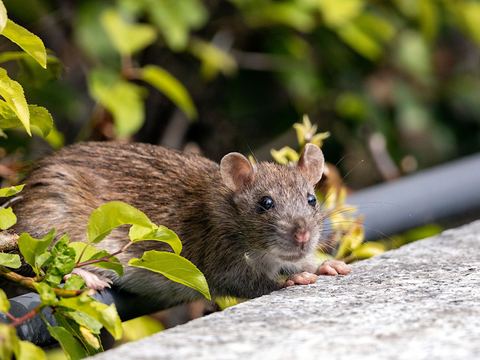
No pets? Rodents can bring fleas too, so the technician may look for rats or mice as well. The technician will tell you how to prepare, and how long to keep off treated floors.
What makes the job bigger
Several pets, carpet through the whole house, a big yard, or a subfloor the animals get under all add to it. So does a rodent problem feeding the fleas, or fleas left behind by a previous tenant's pet.
Flea treatment at the end of a lease
Some leases and pet agreements ask for a flea treatment when you move out. Book one only if your lease or pet agreement requires it.
The rules differ by state. In NSW, a fumigation condition at the end of a tenancy is allowed only when the pet is a mammal that lives indoors. In Queensland, the owner or manager can't make you use a particular pest service or product, or pay a set fee for it. Victorian and Tasmanian landlords can't ask for a pet bond, and in Victoria a renter may be responsible for fleas from a pet they didn't treat.
Our end of lease rules guide sets out each state, and end of lease pest control covers the job itself.
Ticks in the yard
Ticks aren't fleas, but they turn up on the same dogs. The paralysis tick lives along Australia's east coast, and NSW Health Pathology says you're most likely to meet the dangerous adult from September to December. NSW Health says ticks are common in bushland and long grass, especially along the east coast.
For the dog, ask your vet about tick prevention. For the yard, ask the pest business whether an outdoor treatment makes sense where you live.
If a tick is attached to a person
NSW Health advises freezing it with an ether-based spray from a pharmacy, and not squeezing it or trying to pull it out. Anyone with a known tick allergy shouldn't disturb the tick at all, and needs urgent medical help as soon as it's found. If someone has a severe allergic reaction, call 000.
Yours, and theirs
You can
- Get the vet to treat every pet in the house, not just the one scratching.
- Wash pet bedding and vacuum carpets, rugs and couches often, emptying the vacuum outside.
- Keep the lawn short and the shady spots under decks tidy where pets lie.
- Note where bites happen: the dog's bed, one rug, the back step.
Leave to a pest business
- Treating carpets, floors and furniture inside.
- Treating the subfloor, shed and parts of the yard where the pets rest.
- Checking for rats or mice when there's no pet to explain it.
- A return visit as new fleas hatch.
What to tell the pest business
- How many pets you have, and when the vet last treated them.
- Which rooms are carpeted, and whether the pets get under the house.
- Who lives there, including babies, anyone pregnant and anyone with allergies, so they can plan the treatment and tell you any precautions.
- Whether it's an end of lease job, and what your lease or pet agreement says.

Where we'd start with flea treatment
We'd book the vet and the pest business for the same week, vacuum everything the day before, and tap Fleas or end of lease. Treating only the house, or only the dog, is how people end up paying for it twice.
Want someone to look at it?
Tell us what you've seen and your postcode, and a local pest business that handles exactly that calls you to talk it through.