Insects pouring in and out of one gap
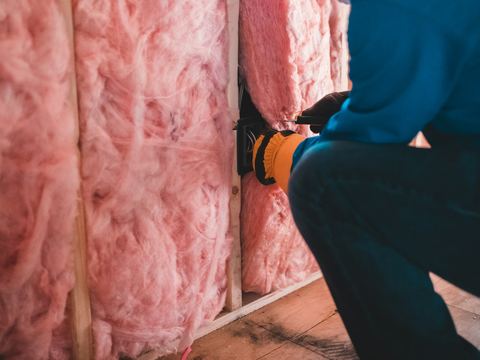
That's a nest in the wall cavity. Keep children and pets away, and don't spray, block or fill the gap they're using. Call 000 straight away for anyone who, after a sting, starts wheezing, feels dizzy or notices their tongue or throat swelling.
Scratching after dark
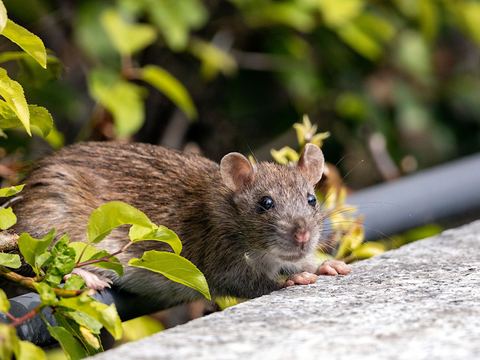
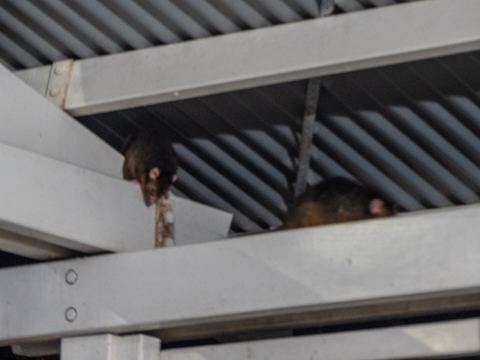
Rockhampton Regional Council lists scratching, squeaking, clawing and gnawing at night as signs of both rats and mice. The Australian Museum says black rats live in cavity walls as well as roofs, and nest in shredded material.
Look low along the wall for the trail. Greasy rub marks form where rats run the same route again and again, the council says, and Victoria's Department of Health says mice gnaw holes up to 20 mm wide in walls, partitions and floors.
Buzzing, and a busy gap outside
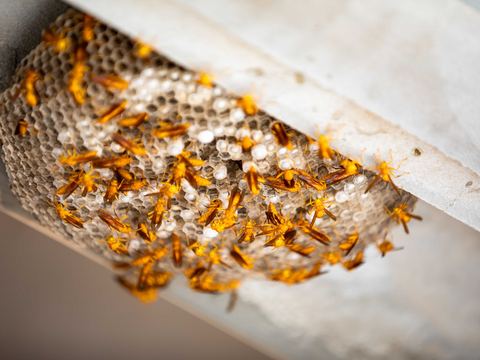
Victoria's Department of Health says about 80% of European wasp nests are in the ground and most of the rest are in buildings, including wall cavities. From outside, you'll see wasps flying in and out of one crack or weep hole. That's a job for a pest business; in WA, report European wasps to the state agriculture department instead (see wasp nest removal).
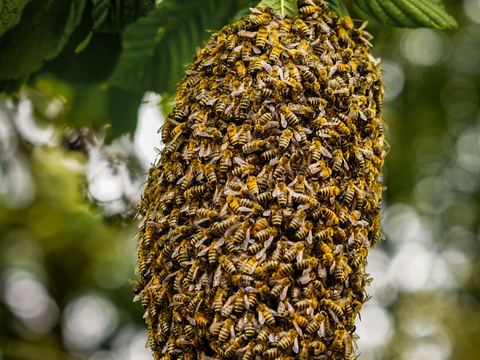
Bees going into a wall are also a pest job, unlike a swarm resting on a branch, which a beekeeper can usually collect. Our bees page explains the difference. In Queensland, Asian honey bees have been found nesting in walls; suspected ones must be reported to Biosecurity Queensland within 24 hours.
Two quieter wall dwellers: the common myna nests in the walls and ceilings of buildings, says the Australian Museum, and white-footed house ants sometimes nest in wall cavities, behind cupboards and behind skirtings.
Bubbled paint and hollow timber
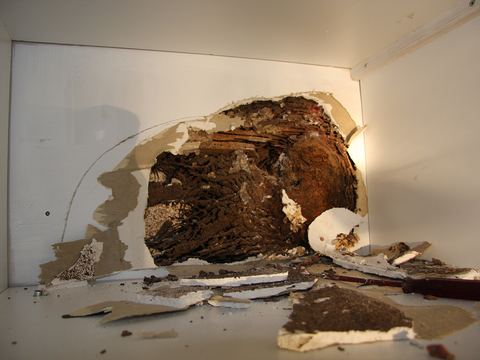
Consumer Affairs Victoria says blisters or bubbles in paintwork can indicate termite activity. CSIRO explains why damaged timber can still look whole: termites leave a wafer thin outer skin so they don't dry out, and they'll eat linings, architraves and even the paper backing on plasterboard.
Don't press, poke or spray a suspicious patch. WA Building and Energy says household sprays or removing infested wood disturb termites, and CSIRO says several control options need them still active. Our page on termite signs and damage has more.
Webs on the frames, spots behind the bedhead
Black house spiders build lacy webs with funnel-like entrances around window frames and wall crevices, the Australian Museum says, while daddy-long-legs leave thin tangles in ceiling corners. Huntsman spiders are the hairy ones on the wall, sometimes scuttling out from behind curtains.
Two less obvious ones: bed bugs hide behind skirting boards, picture frames and wallpaper as well as in the bed, says healthdirect, and silverfish eat starchy things such as wallpaper glue.
A walk along the walls
- Skirting boards and architraves: soft spots, bubbled paint, mud on the surface.
- Low on the wall: dark rub marks and gnawed holes.
- Where pipes and cables pass through: gaps a mouse could use.
- The same spot outside: insects coming and going from a crack or weep hole.
- Behind the bedhead and picture frames: small dark spots.

Our take on pests in the walls
We'd stand outside at the same spot during the day and watch for traffic at a gap before calling anyone. Insects going in and out means a nest for a pest business; nothing outside but scratching after dark means rodents. Bubbled paint we'd leave untouched for a termite inspector.
Want someone to look at it?
Tell us what you've seen and your postcode, and a local pest business that handles exactly that calls you to talk it through.