Start with your lease and pet agreement
We haven't found any state rule that makes every renter pay for pest control at move out. What matters is what your lease or pet approval says, and whether your state lets a landlord ask for it. Look for a pest control or fumigation clause, then check it against the rules for your state below.
Separate from the end of a lease, every state also has rules about who deals with pests during a tenancy. Those decide who pays if cockroaches or mice turn up halfway through.
New South Wales
A landlord who allows a pet may make professional fumigation at the end of the tenancy a condition, but only if the animal lives indoors and is a mammal. Once agreed, it has to be done whether or not there's an infestation. Any other term requiring the tenant to have the property professionally fumigated is banned, and a landlord can't raise the bond or rent as a condition of allowing a pet.
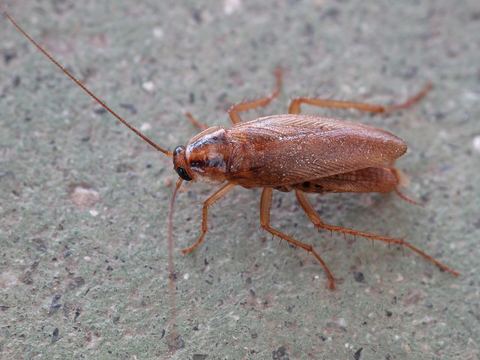
During the tenancy, landlords are generally responsible for pests at the start, and tenants for pests that arise from their own activities or lack of cleanliness, like rubbish attracting cockroaches, ants or mice. A tenant may not be responsible if pests got in another way, such as through a hole in the wall. If you can't agree, NSW Fair Trading's dispute resolution service can help.
Victoria
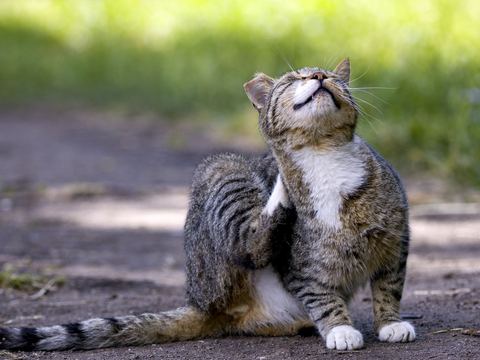
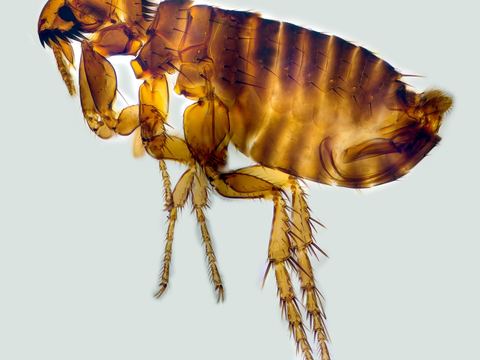
Rental providers can't ask for an extra bond as a pet bond. Consumer Affairs Victoria says the law doesn't always say who must fix a pest problem: a renter may be responsible if their actions contributed, such as fleas from a pet they didn't treat, and the rental provider may be responsible if pests were there at move in or came through a building problem like a hole in the roof.
Pests caused by the building's structure that make a rental unsafe or unsecure count as an urgent repair. Rental providers must also supply vermin proof bins. Where the two of you disagree on the bill, the renter or the rental provider can take it to VCAT for a decision.
Queensland
The owner or property manager must make sure the property is free from pests when you move in and throughout the tenancy, unless your actions caused them. They can't require you to use a particular pest control service or product, or to pay a set fee for pest control.
If you agreed to reasonable carpet cleaning and pest control conditions as part of a pet approval, the RTA says to follow them. You must leave the property at the same standard as when you moved in, and tell the manager or owner as soon as possible about vermin that appears during the tenancy.
Western Australia
Under WA law a landlord can ask for a pet bond of up to $350, which can go towards fumigation or pet related damage, no matter how many pets you have. In residential parks the cap is $250, for fumigation only. WA landlords can also set cleaning, maintenance and fumigation conditions for pets without the Commissioner's approval.
Tasmania and the ACT
Legal Aid Tasmania says new laws in March 2026 make it easier for renters to get approval for a pet. A landlord's pet conditions may include keeping the animal up to date with flea treatments, but they can't be imposed without the renter agreeing, and a landlord can't ask for a pet bond, a higher bond or higher rent in return for permission.
In the ACT, Legal Aid ACT says tenants must keep the rental clean and not cause an infestation through neglect, while landlords must keep the place in reasonable repair so it doesn't cause one. If mice moved in because a tenant left rubbish lying around, that tenant may have to cover the treatment and any repairs. Tell the landlord or agent about any infestation in writing, as soon as you can.
South Australia and the Northern Territory
We haven't been able to confirm SA or NT rental pest rules at an official source yet. Read your lease and any pet agreement, and check with your state's tenancy authority before paying for a treatment you may not need.
If your agreement does require a treatment
- Read exactly what it asks for: a flea treatment, a general treatment or fumigation.
- Ask the pest business when to do it, given when the pet moves out.
- In Queensland, choose the business yourself: the owner can't require a particular service or product, or a set fee.
- Get a written record with the business name, date, product and the areas treated.
- Give a copy to the agent with the keys, and keep one with your bond paperwork.
Before you hand the keys back
You can
- Vacuum carpets, rugs and the places the pet slept, and empty the vacuum outside.
- Clear every scrap of food and rubbish from cupboards and the bins.
- Report any pest problem to the agent in writing while you still live there.
- Take dated photos of each room as you leave.
Leave to a pest business
- A flea treatment or fumigation, if your pet agreement requires one.
- Cockroaches or rodents that were there before you moved in, once you've raised them with the agent in writing.

Where we'd start with end of lease pest control rules
We'd read the pet agreement before booking anything. If it genuinely requires a treatment, we'd book it after the pet has gone, ask for a written record with the product's full name, and hand a copy to the agent with the keys. Tap Fleas or end of lease when you're ready.
Want someone to look at it?
Tell us what you've seen and your postcode, and a local pest business that handles exactly that calls you to talk it through.