
Central Coast, New South Wales
Pest control on the Central Coast
The top end of funnel-web country.
On the Central Coast, funnel-webs are the pest to take seriously, and bees, termites, possums and ticks on bushy blocks fill out the rest of the list.
- Matched to what you've seen
- Only one local pest business gets your number.
- Where the job needs a pest licence, we check it on the state register, including the termite category for termite jobs.
Matched to what you've seen
Before a pest business can take jobs from Which Pest, we record the jobs it handles, so a termite job never goes to a business that only sprays for spiders.
Only one local pest business gets your number.
We pass your contact details to one local pest business so it can contact you about this job, and nobody else gets them.
The licence rules where you live
Where the job needs a pest licence, we check it on the state register, including the termite category for termite jobs. Pest licence rules in New South Wales
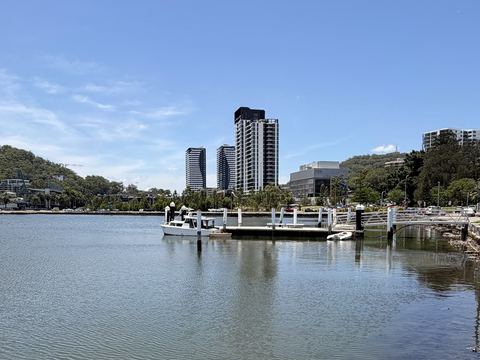
Pest control on the Central Coast: what to know before anyone calls
On this page
If someone is bitten by a big black spider
Treat it as a medical emergency and call 000 straight away, without waiting for symptoms. healthdirect's funnel-web first aid is to lie the person down, keep them still, wrap an elasticated bandage firmly over the bite and then the whole limb without cutting off circulation, and splint it. The Poisons Information Centre is on 13 11 26.
What's different on the Coast
The north end of the funnel-web's range
The Australian Museum puts the Sydney funnel-web's main range from the Central Coast south to the Georges River. Males leave their burrows to find females, mostly over summer and autumn, on humid nights.
Mosquito traps at Empire Bay and Wyong
NSW Health found Gan Gan virus in mosquitoes at Empire Bay on 5 February 2025 and Stratford virus at Halekulani on 18 February 2025. In early February 2026 it rated numbers at its Gosford and Wyong traps as medium.
Ticks where the bush starts
NSW Health says ticks favour bushland, long grass and humid spots along the east coast. NSW Health Pathology says the paralysis tick is most likely to be met as an adult, its most dangerous stage, from September to December.
Fire ants
Report a suspected fire ant nest to the NSW Biosecurity Helpline and don't try to treat it. A photo or short video helps them identify it.
Funnel-webs around the house
In gardens, funnel-webs dig silk-lined burrows in cool, damp shelter: rockeries, dense shrubs, logs and leaf litter. Wandering males need dark, moist cover by dawn, which is how they end up in shoes, washing on the floor and swimming pools. The Australian Museum suggests checking clothing, shoes and bedding.
Never try to pick one up or catch it. A pest business can treat burrows and the edges of the house; ask what that can and can't do about males wandering in from nearby bush.
Bees: a swarm on the fence, or a colony in the wall?
A swarm is a round or oval mass of bees resting while it looks for a new nest site. Swarming bees are usually placid if nobody disturbs them, and a local beekeeper is usually the first call.
Bees streaming in and out of a gap in a wall or roof have already moved in, and that's a job for a pest business. In NSW, anyone who keeps European honey bees must register as a beekeeper, even with a single hive.
Buying a place on the Coast
A building inspection won't tell you whether termites are still active, so buyers need the timber pest half as well. Our Central Coast pre-purchase pest inspections page covers timing around cooling-off and auctions.
Before you agree to a spider or general treatment
- What's the full name of the product you'll use?
- Can I see its safety data sheet? (In NSW, the pest controller must provide it if you ask.)
- Where will it go: burrows, rockeries, the house edges, inside?
- What do we do with fish tanks, bird cages and pets beforehand?
- When can the kids go back out on the lawn?

If it were our house on the Central Coast
We'd learn the funnel-web first aid before summer, keep shoes inside at night, and book a termite inspection if it's been a while. For anything you can see, tap it with your postcode.
Want someone to look at it?
Tell us what you've seen and your postcode, and a local pest business that handles exactly that calls you to talk it through.
By pest
Pest control services on the Central Coast
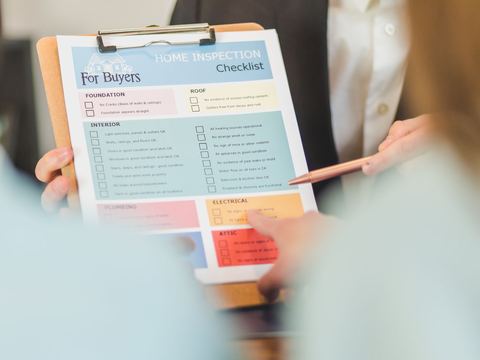 Pre-purchase pest inspections on the Central CoastThe timber pest half of a Central Coast building and pest inspection, and NSW timing.Read it
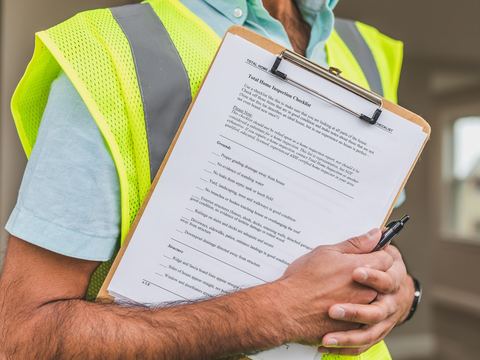 Termite inspections and treatment on the Central CoastThe termite signs that matter, and what to watch for in a quote, on the Central Coast.Read it
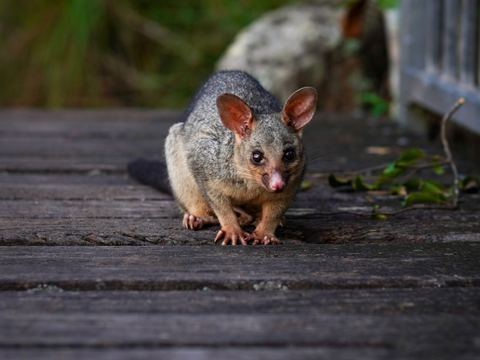 Possum removal on the Central CoastBrushtail or ringtail, and the lawful order of a possum job on the Central Coast.Read it
Questions
Pest control on the Central Coast: common questions
Is every big black spider on the Coast a funnel-web?
No. The Australian Museum says mouse spiders, trapdoor spiders and even black house spiders are often mistaken for funnel-webs. You can't safely tell by looking, so treat any bite from a big black spider as an emergency.
Seen a pest on the Central Coast? Tell us what it is.
What you have seen, one tap about it and your postcode. Then a local pest business that handles exactly that calls you.
Before anyone starts
The licence rules where you live
Related help
More on pest control on the Central Coast
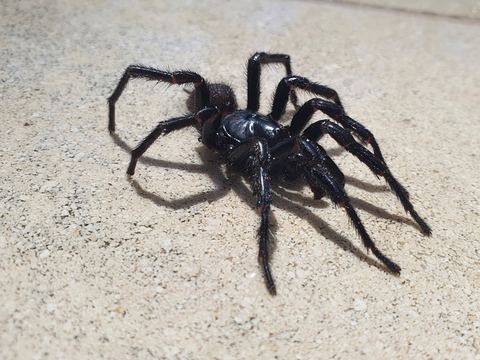 Funnel web spiderFunnel-web bite first aid, how to recognise one, and when males wander into houses.Read itTermite inspections and treatment on the Central CoastThe termite signs that matter, and what to watch for in a quote, on the Central Coast.Read itPre-purchase pest inspections on the Central CoastThe timber pest half of a Central Coast building and pest inspection, and NSW timing.Read itPossum removal on the Central CoastBrushtail or ringtail, and the lawful order of a possum job on the Central Coast.Read it
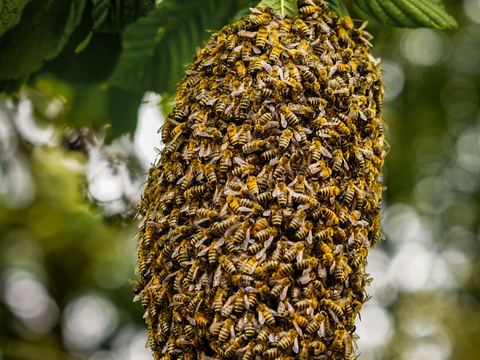 Bee hive removalSwarm or colony, who to call for each, and what to ask before anyone opens a wall.Read it
 Pest control in New South WalesWho the NSW EPA licenses, the timber pest licence, possums, fire ants and renting rules.Read it
Where this information comes from
- Australian Museum Sydney funnel-web spider, checked 3 November 2026
- healthdirect Australia Spider bites, checked 3 November 2026
- Sydney Children's Hospitals Network (NSW Health) Spider bites factsheet, checked 3 November 2026
- healthdirect Australia Poisoning, checked 3 November 2026
- NSW Health (Health Protection NSW and NSW Health Pathology, ICPMR Westmead) NSW Arbovirus Surveillance Program Annual report 2024-2025, checked 3 November 2026
- NSW Health (Health Protection NSW) NSW Arbovirus Surveillance and Mosquito Monitoring 2025-2026, weekly update for the week ending 7 February 2026, checked 3 November 2026
- NSW Health Ticks, checked 3 November 2026
- NSW Health Pathology Ticked off: the tiny terror of the bush, checked 3 November 2026
- NSW Government (nsw.gov.au, NSW DPIRD) Fire ants in NSW, checked 3 November 2026
- NSW Government (ministerial release) Red Imported Fire Ant's nest found at Sydney port intermodal logistics site, checked 3 November 2026
- Australian Museum Spiders in the House and Garden, checked 3 November 2026
- Business Queensland (Queensland Government) Managing bee hives, checked 3 November 2026
- Australian Business Licence and Information Service (business.gov.au) Beekeeper registration, NSW, checked 3 November 2026
- NSW Environment Protection Authority Engaging a pest management technician, checked 3 November 2026
- NSW Government (nsw.gov.au) Inspection reports (buying property in NSW), checked 3 November 2026
Rules and advice change, so check the source before you act on anything here. How we write and check these pages.