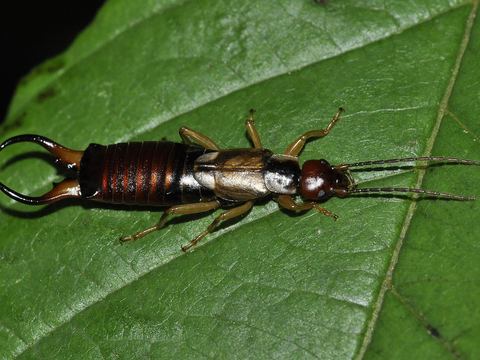
Which crawler is it?
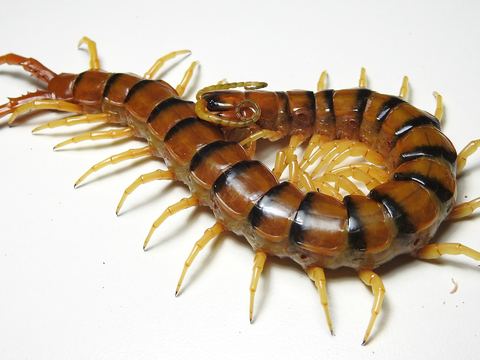
| Earwig | Portuguese millipede | Centipede | |
|---|---|---|---|
| Size | 5 mm to 50 mm | 20 to 45 mm | House centipede about 2.5 cm |
| How to tell | A pair of pincers at the tail end | Smooth, slate grey to black; curls into a tight spiral | One pair of legs per body segment, long legs and antennae |
| When you'll see them | At night, around lights | Autumn, after the first rains | After rain, and at night |
| Bite or sting? | Many give off a foul defensive fluid | No bite or sting; the fluid irritates eyes and stains skin | Can bite; see the questions below |
Earwigs
The European earwig is the one that's common around suburban homes, and the Australian Museum says it can be a serious pest of gardens and vegetable crops. Most of the 85 earwig species described in Australia aren't significant pests, though some become a nuisance in large numbers.
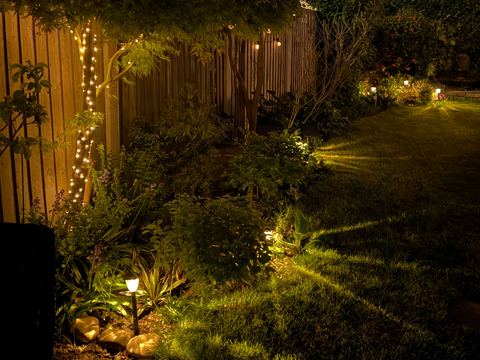
Earwigs shelter in protected, moist places: leaf litter, under bark and stones, between leaves, in mulch against the house. They come out at night and are drawn to lights, which is how they end up on the back door and inside.
Portuguese millipedes
Portuguese millipedes come from south western Europe. DPIRD says they were accidentally introduced in 1986 and are now common in the south west of Western Australia, and crop damage has been reported in South Australia, New South Wales and Victoria in recent years. Their smooth, cylindrical bodies set them apart from native millipedes, which look bumpier.
In autumn they come up from underground to find mates, linked to the first autumn rains, and gather in large numbers around houses and sheds. They don't bite or sting, but the Australian Museum says their fluid can irritate eyes and leave yellowish stains on clothes and skin, so sweep them up rather than picking them up. They spread in soil, plant material and machinery, so check bought soil and pot plants.
Stink bugs, and the one to report
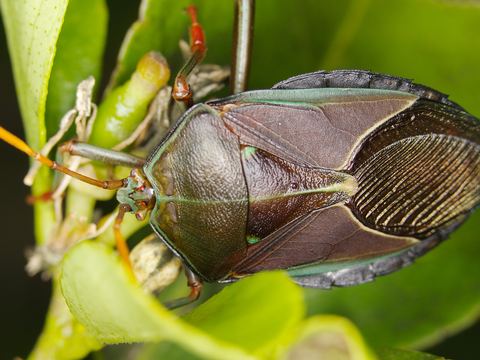
The bronze orange bug is the stink bug most people meet: the Australian Museum says it lives in coastal Queensland and New South Wales and feeds on citrus, sucking juice from young shoots, fruit and flowers in spring and summer. Handle it carefully, if at all. It can squirt a foul smelling fluid that burns skin and causes great discomfort in the eyes, so wear gloves and eye protection near a heavily infested tree.
The brown marmorated stink bug is different. Biosecurity Tasmania says it isn't established in Australia, turns up as a hitchhiker in imported goods, and shelters in large numbers in buildings, vehicles and machinery in winter. It looks like a native stink bug, with banded antennae as the giveaway. If you think you've found one, don't move it or the goods it came in, and report it to the Exotic Plant Pest Hotline rather than booking a treatment.
What an outdoor crawler job involves
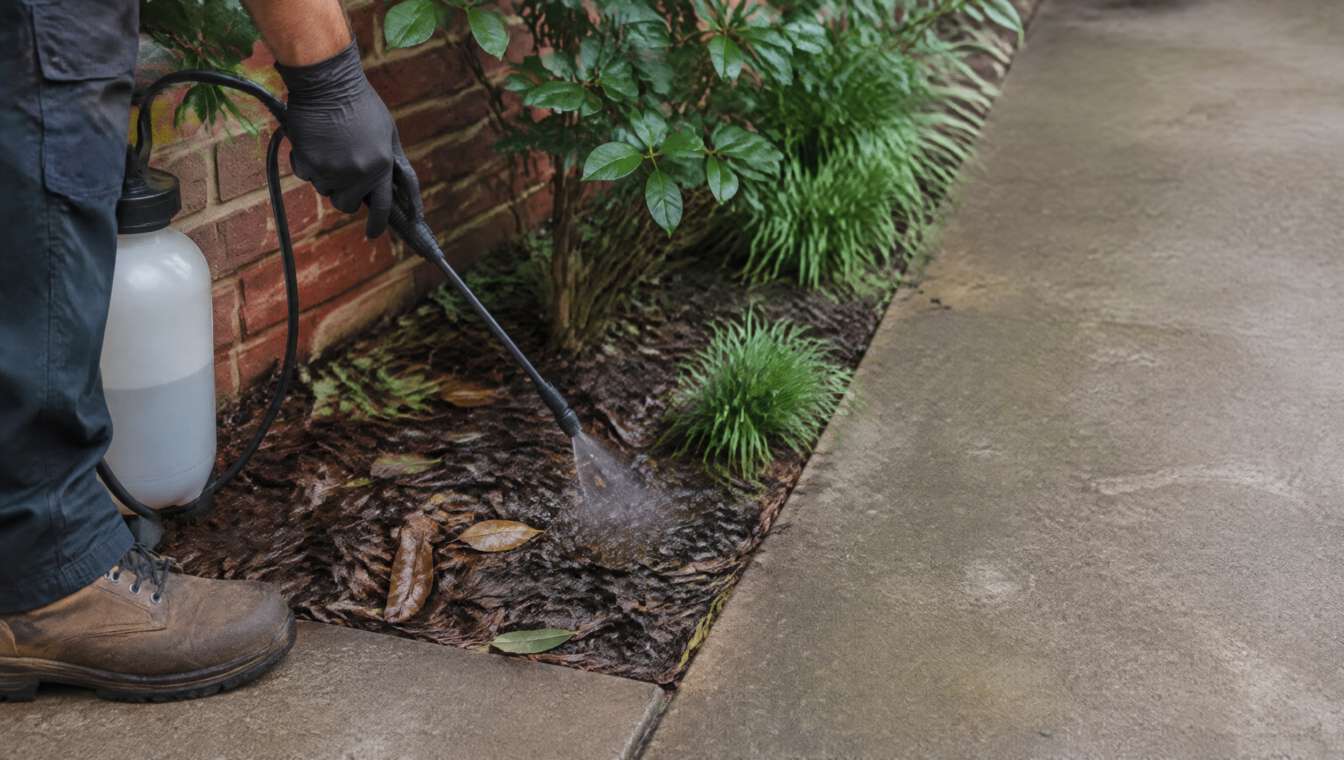
When numbers are high enough to call someone, the technician looks for where the crawlers are sheltering and how they're getting in, then usually treats outside: the base of the walls, around doors and weep holes, under decks and along garden edges. A follow up after the next rain is sometimes suggested.
The job grows with a large block, deep mulch or leaf litter against the walls, a subfloor, and paddocks or bush nearby, which is where big autumn millipede numbers tend to come from. A few earwigs in the kitchen on a wet night usually isn't worth a visit.
What you can do first
You can
- Pull mulch, leaf litter and stacked pots back from the walls so the edges dry out.
- Fit draught strips or seals to the bottom of doors.
- Use fewer outside lights near doors at night, when earwigs are drawn to them.
- Sweep millipedes up with a dustpan and brush, wearing gloves.
- Don't crush stink bugs indoors: they smell, and the brown marmorated kind needs reporting.
Leave to a pest business
- An outside treatment of the walls, doors and garden edges when numbers stay high.
- Treating a subfloor or under decks.
- Working out which crawler it is if you're not sure.
Tell the pest business
- Which crawler you're seeing, with a photo if you can.
- Where they come in, and when: after rain, at night, in autumn.
- What's against the walls: mulch, garden beds, a deck, a woodpile.
- Whether you have a veggie patch, fish pond, chooks or pets outside.

Where we'd start with earwig and millipede control
Small numbers of earwigs or millipedes call for a tidy up along the walls, not a treatment. If they're coming inside in big numbers every autumn, an outside treatment is worth asking about: tap Not sure what it is and name the crawler in the note. A possible brown marmorated stink bug goes to the hotline, not to us.
Want someone to look at it?
Tell us what you've seen and your postcode, and a local pest business that handles exactly that calls you to talk it through.