If someone is bitten
A centipede bite can be very painful. healthdirect says to clean the skin with soap and water, and the Poisons Information Centre gives advice on bites and stings on 13 11 26, any time. If someone collapses, has trouble breathing or shows signs of a severe allergic reaction, call 000.
Centipede or millipede?
| Centipede | Millipede | |
|---|---|---|
| Legs | One pair per body segment | Two pairs per body segment |
| Bite | Can bite; quite painful, usually with local swelling | Doesn't bite or sting |
| Other trouble | None beyond the bite | A fluid that can irritate eyes and stain skin and clothes yellowish |
| Where you find it | Leaf litter, compost, under rocks and logs; inside after rain | Under cushions, pot plants and washing baskets |
The two you're most likely to meet
The house centipede is the one indoors. It's about 2.5 cm long, with 15 pairs of long, jointed legs and whip-like antennae, and the Australian Museum says it's an Australian native and the most common centipede throughout southern Australia. It's recorded in Queensland, New South Wales, Victoria, South Australia and Western Australia, and it eats spiders and many insects.
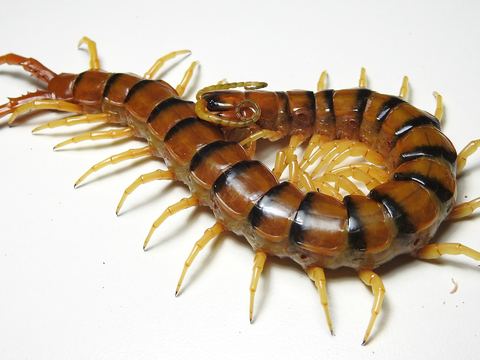
The giant centipede is the one that makes people jump. It has 21 or 23 pairs of legs and ranges in colour from a dark blue-green-brown to orange-yellow. It's found throughout Australia, hunts insects, snails and worms at night, and spends the day hidden somewhere damp and sheltered.
How much should a bite worry you?
The official sources don't say quite the same thing, so here are both. healthdirect says the centipedes found in Australia aren't venomous, meaning they don't give a poisonous bite or sting. The Australian Museum says a bite is quite painful but usually causes little more than local swelling, and that a giant centipede bite can bring severe pain lasting several days.
The museum adds that no deaths have been recorded from any Australian centipede bite, and that house centipedes, while technically able to bite, aren't considered a danger to people.
Why they come inside
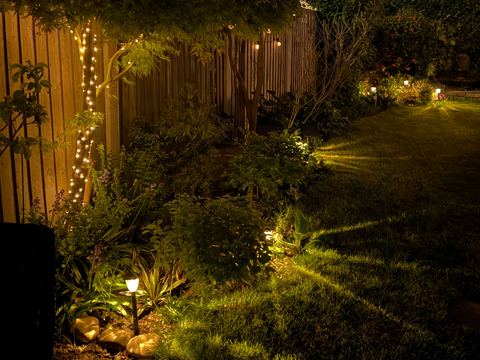
Centipedes need damp. They usually live in leaf litter, under rocks and logs and in compost, and some move indoors after rain. One in the laundry or the subfloor (the space under a raised floor) is usually there for the moisture and for the small insects it hunts.
Australia has more than 125 centipede species, and every one has an odd number of leg pairs, somewhere between 15 and 191.
Keeping them outside
You can
- Pull compost, mulch and leaf litter back from the walls and doorways.
- Stack firewood, pavers and pots off the ground and away from the house.
- Fix leaks and dry out damp rooms and the subfloor where you can.
- Fit door seals and close gaps under external doors.
- Don't pick one up with bare hands; a broom and dustpan will move it outside.
Leave to a pest business
- Centipedes coming inside often, especially big ones.
- A damp subfloor full of insects that's drawing them in.
- Lots of other crawling insects at the same time, which a general treatment covers.

What we'd do about centipedes
We'd read a centipede inside as a sign of damp and insects, not as a reason to panic. Clear the leaf litter and mulch from the walls, fix the drip, and see if they stop. If they keep coming in, a general pest treatment covers centipedes along with the insects they feed on: tap Not sure what it is and mention centipedes.
Want someone to look at it?
Tell us what you've seen and your postcode, and a local pest business that handles exactly that calls you to talk it through.