It's the grubs doing the damage
With both pests, the larvae eat the fabric and the adults don't. Queensland Museum says clothes moth damage comes from the fabric eating larvae, and the Australian Museum says carpet beetle larvae damage furniture, clothing, blankets, furs and carpets. So the small beetle on the window sill or the moth flitting out of the wardrobe is a clue, not the culprit.
Carpet beetle or clothes moth?
| Carpet beetle | Clothes moth | |
|---|---|---|
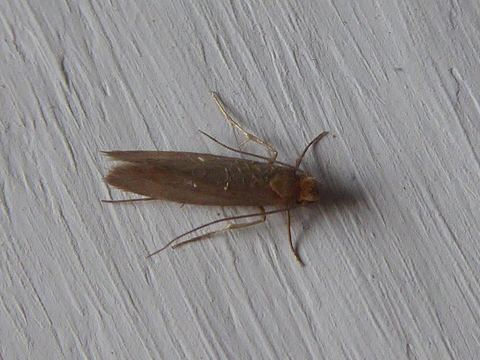
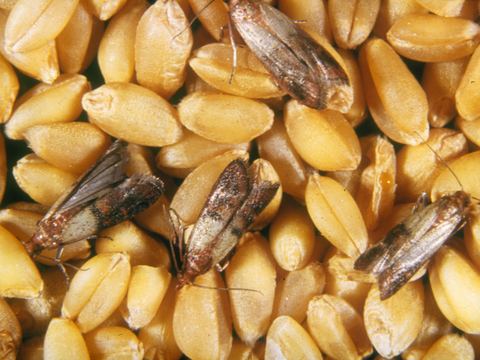
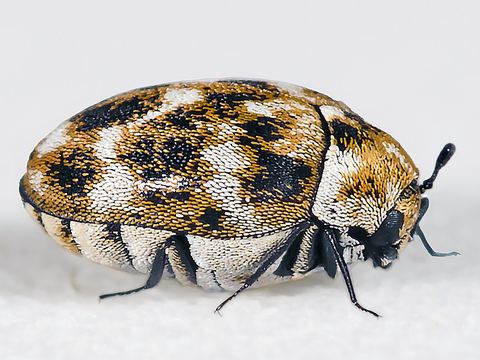
| The adult | A tiny round beetle, 2 to 3 mm; one common kind is dark with wavy white bands | A small moth, about 1 cm, that avoids light and hides in wardrobes and drawers |
| The grub | A small hairy grub, bigger than the adult; its hairs break off when handled | Creamy white with a dark head, about 12.5 mm grown; one kind carries a silk case |
| What it eats | Wool, feathers, silk and fur | Wool, silk, fur, feathers and hair, especially when dusty or dirty |
| Signs | Empty hairy skins, and beetles on window sills | Larval cases in items like felt hats, droppings, and tiny woven cases on walls or ceilings |
Why they keep coming back
Adult carpet beetles live mostly outdoors, feeding on the pollen and nectar of flowers, and the Australian Museum says they easily get back into buildings. The larvae hatch in spring and early summer, and warmer weather speeds them up. A grub can spend 60 days to a year or more feeding before it changes, and the whole life cycle takes 1 to 3 years, so a few grubs under the bed can mean slow damage for a long time.
Clothes moths prefer dirty fabric for laying eggs, so a jumper put away unwashed is the one most at risk. Sydney's two common clothes moth species were both accidentally brought to Australia, and before carpets and clothes existed, their larvae lived on feathers, fur and wool.
What a pest business can and can't do
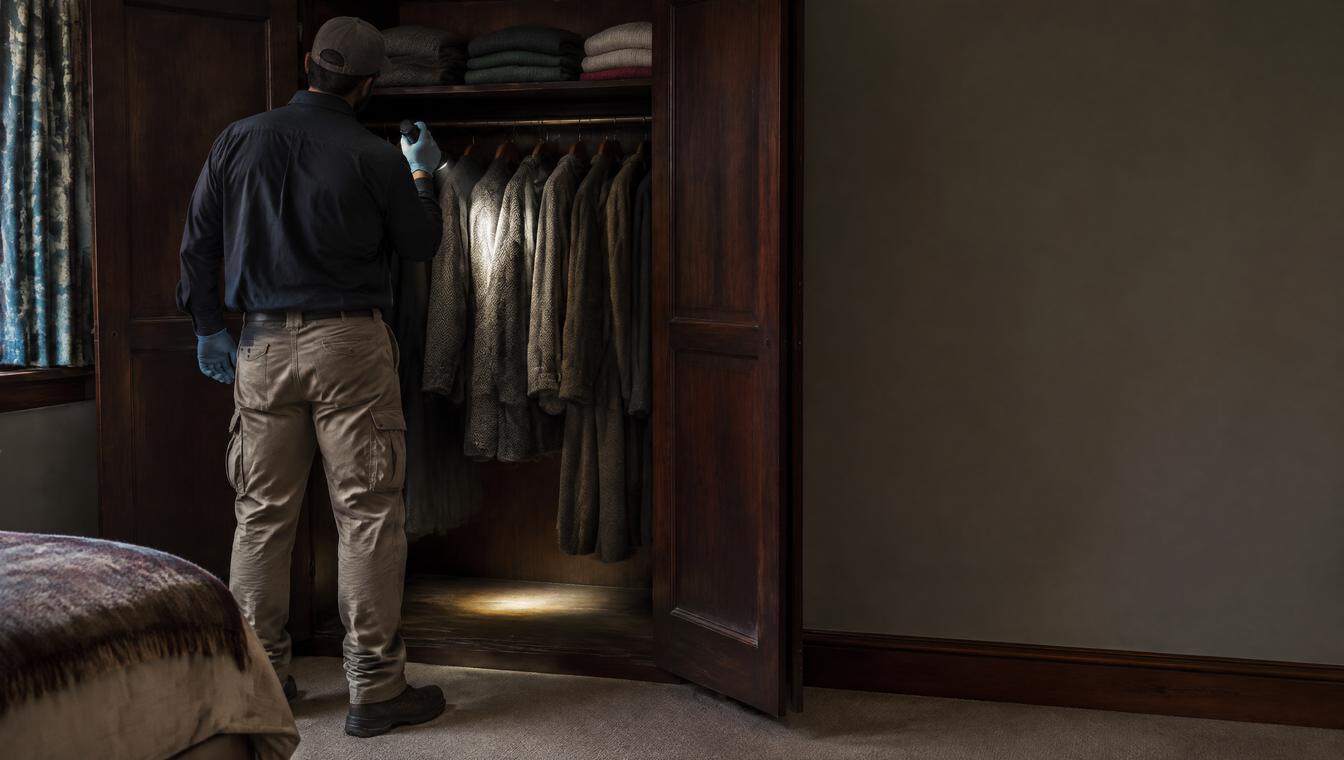
The useful part of a visit is the search: finding the source, whether it's a wool rug under a bed, a box of stored blankets, a felt hat or the edges of a wool carpet, and telling you what to clean, seal up or throw out. A targeted treatment of carpet edges, gaps in floorboards and the inside of wardrobes may follow.
Be clear eyed about the result. The Australian Museum says treating indoors doesn't work long term for carpet beetles, because adults easily come back in, and it recommends thorough, frequent vacuuming, especially along carpet edges and under furniture. Queensland Museum says freezing infested items won't prevent future clothes moth infestations either. Treatment helps most alongside the cleaning, not instead of it.
What makes the job bigger
Wall to wall wool carpet, several rooms of damage, a lot of stored wool, fur or feather items, and an infestation that's had a few seasons to spread all make for a longer visit. One damaged jumper in one drawer usually doesn't need a pest business at all.
What works at home
You can
- Vacuum thoroughly and often, especially along carpet edges and under furniture and beds.
- Wash or dry clean woollens before putting them away, then store them sealed.
- Check stored items fortnightly in hot, humid weather and monthly when it's cooler and drier.
- Bag up and throw out anything badly damaged.
Leave to a pest business
- Finding the source when the damage keeps spreading.
- A targeted treatment of carpet edges, floor gaps and wardrobes.
Ask before they start
- Where do you think they're breeding, and what should we throw out?
- Which surfaces will you treat, and what's the product's full name?
- How long before clothes and linen can go back in the wardrobe?
- What should we keep doing after the visit so they don't return?

Where we'd start with carpet beetle and moth control
We'd vacuum hard for a couple of weeks, especially carpet edges and under the beds, and clean then seal anything woollen in storage. If fresh holes keep appearing after that, tap Not sure what it is and mention carpet beetles or moths in the note.
Want someone to look at it?
Tell us what you've seen and your postcode, and a local pest business that handles exactly that calls you to talk it through.