
What the food safety rules ask of a business
Food Standards Australia New Zealand (FSANZ) says a food business must do everything it reasonably can to prevent pest problems. Pests are covered by Food Safety Standard 3.2.2, clause 24: they must be kept from getting into or living in the premises, and cleared from the premises and from any vehicles that carry food.
The rules don't name who does the work. FSANZ's advice is that a business that can't manage pests properly itself should call in professional help.
The pests that matter on a commercial site
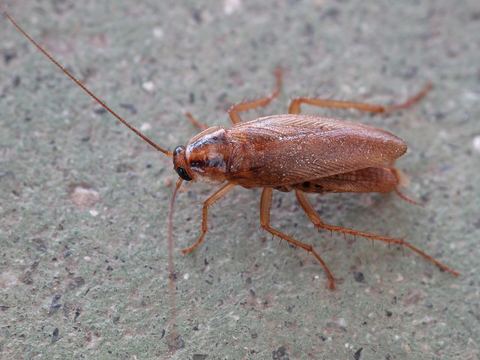
German cockroaches are the usual kitchen problem. Victoria's Department of Health says they mostly arrive as stowaways in cardboard boxes or crates of food and drink, then settle under sinks, inside cupboards and appliances and near warm spots such as water heaters. Droppings, dark smears, cast skins and empty egg cases are the signs; cockroaches out in daylight often mean a large infestation.
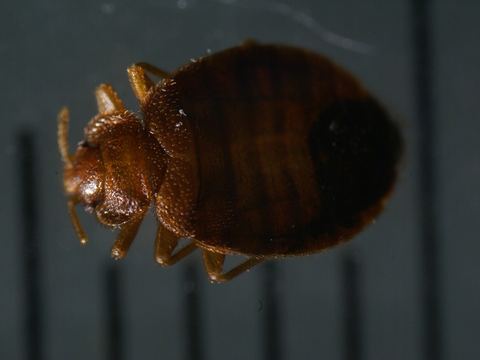
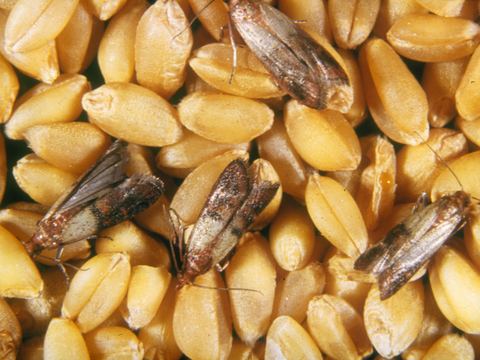
Rats and mice gnaw through many materials, including electrical cables, and contaminate stored food with their droppings. Stored food pests such as the Indian meal moth are a major problem in flour mills and food processing plants, where the larvae's webbing can block machinery. In hotels, motels, hostels and apartments, bed bugs come up most where the people sleeping change often.
What a pest management plan should cover
- The pests the site is managing, and the treatments used for each.
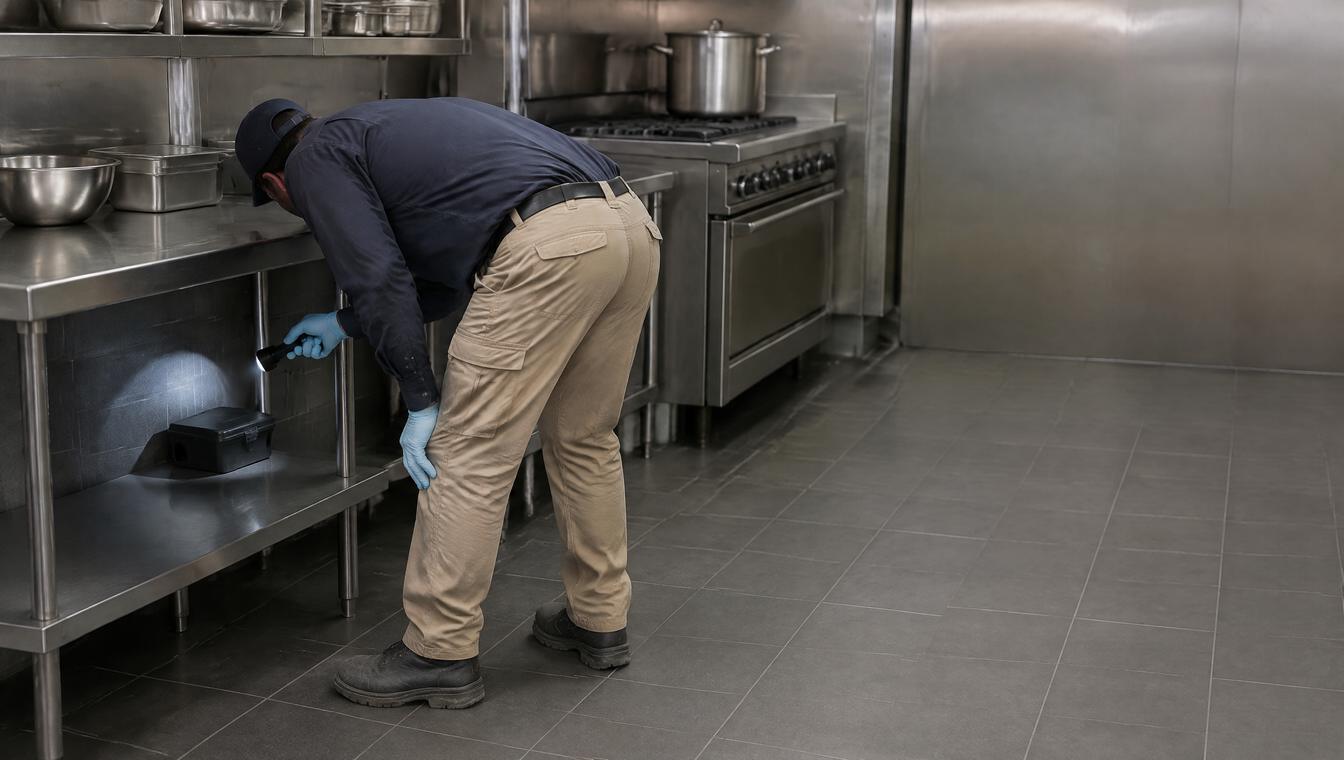
- The areas to inspect and treat, such as behind appliances and equipment, inside wall cavities and inside cupboards.
- Where every bait station, trap and other device sits, ideally marked on a site map.
- How often the visits happen, which FSANZ says depends on the location, climate, food activities, type of pests and activity.
What each visit should leave behind
FSANZ suggests keeping a report of every inspection and treatment, with the date, the pest activity found, the chemicals or controls used and the actions recommended. Keep them together: they're what you'll want in front of you if an environmental health officer asks how pests are managed.
In food areas, FSANZ says devices should sit where pesticides or dead pests can't touch food or food contact surfaces, and pesticides should be approved for use in food premises. In NSW, the EPA says a pest controller must hand over the safety data sheets for the pesticides being used if you ask.
Shared buildings and strata in NSW
In NSW, whoever arranges pest or fumigation work in the common area of a residential complex, including a strata managing agent, must give residents a pesticide use notice at least 5 working days beforehand. The notice period doesn't apply to emergency work on biting or dangerous pests, such as rodents, wasps, bees, venomous spiders or fleas, as long as a notice is displayed and records are kept.
What changes the size of a commercial job
The type of site sets the starting point: a takeaway kitchen, a warehouse with roller doors and a block of serviced apartments each need different visits. After that it's the floor area, how many separate rooms and storage areas there are, how established the pest already is, how often visits are needed, any proofing work, and whether the technician has to come before opening or after close.
The staff's part, and the pest business's
You can
- Keep food and waste in sealed containers, and get rubbish out regularly.
- Keep doors shut when they're not in use, with weather strips at the base and mesh screens on windows.
- Report gaps in walls and floors, especially around service pipes, so they can be sealed.
- Check incoming cardboard and crates for cockroaches before they go into storage.
- Keep every visit report in one folder.
Leave to a pest business
- Placing and servicing bait stations and traps, and keeping the site map current.
- Any treatment inside food areas, with products approved for food premises.
- Inspecting wall cavities, behind fixed equipment and in roof spaces.
- Writing up each visit.
Questions before you sign a service agreement
- Will we get a written plan and a site map showing every device?
- Are your products approved for use in food premises, and can we have the safety data sheets?
- How often will you visit, and what would prompt an extra visit?
- What will each visit report record, and how do we get copies?
- Which proofing jobs will you recommend, and who carries them out?

Where we'd start with commercial pest control
If something is active right now, deal with that first: tap the pest you've seen and write the type of site in the note, such as "cafe kitchen" or "warehouse". Before agreeing to regular visits, we'd want the written plan and site map in hand, so you can see what you're paying for.
Want someone to look at it?
Tell us what you've seen and your postcode, and a local pest business that handles exactly that calls you to talk it through.