Before anything else
Don't trap, bait, poison or move a possum yourself, and don't close up its way out while it might still be inside. A sick or injured possum needs a wildlife rescue service, not a pest business.
What every state agrees on
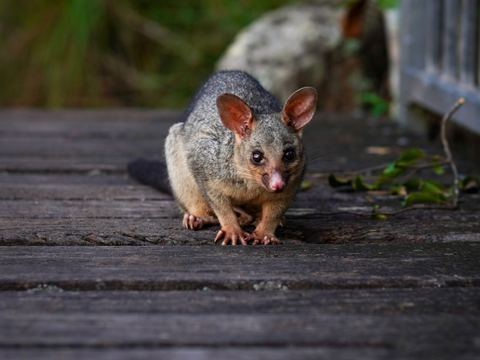
Possums are protected wildlife right across Australia, so handling one needs a licence or permit, and in some states it can't be moved off your property at all.
The other point the states share is that moving a possum doesn't fix anything. The Queensland Government says that when a possum is moved, another nearby possum often takes its place, so entry points need repairing. NRE Tasmania says trapping and moving a possum does not generally work, because competition for food and shelter usually kills the animal that was moved. WA's parks department (DBCA) says relocation isn't considered a humane means of control.
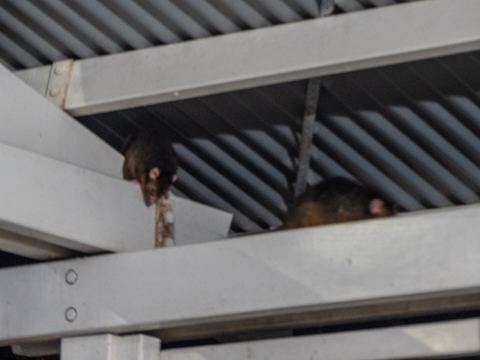
So the real fix is proofing: finding where it gets in and closing that gap once it has gone out for the night. NSW advice is to block access points only when you're sure the possum has left the roof to forage, usually at night, and suggests a nest box secured at least 4 metres above the ground.
Catch and release, state by state
| Who may catch it | Where and when it's released | |
|---|---|---|
| NSW | Only a licence holder; the department's Biodiversity and Heritage Regulator issues those licences. | Released at dusk, within 150 metres of the capture spot, beside a tree or tall fence it can climb at once. |
| Victoria | Brushtails: home owners or occupiers and their families, building managers and their staff, or DEECA licensed Wildlife Controllers, in a cage trap designed not to injure. Ringtails: never without a permit. | On the same property, no more than 50 metres from where it was caught, after sunset on the day of capture. |
| Queensland | Only licensed commercial operators. Redland City Council says trapping one without a permit is illegal. | Within 25 metres of the point of capture. |
| SA | Someone holding a permit, or a permitted possum controller. | On the same property, within 50 metres, within 24 hours of trapping and after dusk. No permit allows moving it off your property. |
| WA | DBCA says only trained and licensed personnel should handle possums, and moving native fauna needs a permit. | DBCA says possums moved elsewhere can die from predation and stress soon after release. |
| Tasmania | Only under a Special Purposes Wildlife Permit, issued as a last resort with strict conditions. | NRE Tasmania says relocation generally doesn't work. |
| ACT | Only authorised people. The ACT Government lists licence holders with their licence numbers and expiry dates. | The ACT page doesn't say; ask the operator. |
| NT | We haven't confirmed NT possum rules at an official source. | Check with the NT Government before anyone handles one. |
The details that catch people out
NSW: possums are protected under the Biodiversity Conservation Act 2016, and it's illegal to relocate or kill one, or to trap or catch and release one, without a licence. The department's tip: ask anyone you're about to hire if their licence is current.
Victoria: possums are protected under the Wildlife Act 1975, and trapping a ringtail without a permit is illegal. Lethal control needs an Authority to Control Wildlife from DEECA, issued only when every practical non-lethal option has been tried.
Queensland: possums are protected wildlife, and the Queensland Government stresses repairing entry points, because an empty roof soon gets a new tenant.
SA: all possum species are protected by the National Parks and Wildlife Act 1972.
WA: it's an offence to kill, injure or move native fauna without a permit. The western ringtail possum is listed as Critically Endangered under WA and Commonwealth law. For a sick or injured possum, DBCA says to contact the Wildcare Helpline.
ACT: possums are protected under the Nature Conservation Act 2014. If a business says it holds an ACT possum licence but isn't on the government's list, the ACT Government asks you to confirm before engaging them.
What to do about a possum in the roof
Make sure it's a possum
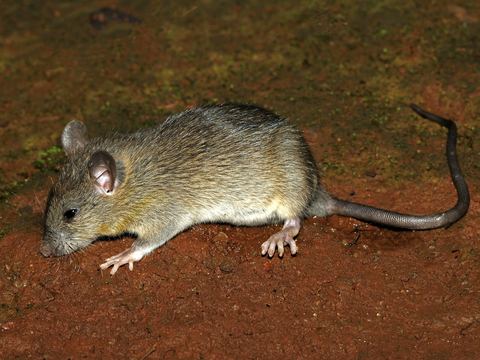
NSW guidance suggests watching for a possum leaving the roof at dusk, and sprinkling flour near the entry points to check whether the footprints belong to a possum or a rat or mouse.
Find every way in
NRE Tasmania advises finding where the possum gets in and out first. Look for lifted tiles, gaps at the eaves and branches touching the roof.
Wait until it's out
Close the gaps only once you're sure it has left to forage, usually at night, so it isn't shut inside.
Have the proofing done properly
A pest business can seal the entry points with materials a possum can't push through, and come back to check nothing is still getting in.
Give it somewhere else to sleep
A nest box at least 4 metres up a tree, as NSW guidance suggests, gives it a reason to stay outside.
If catching is needed, use someone permitted
Check the person holds the licence or permit your state requires, and ask where and when the possum will be released.
Ask before anyone starts
- Do you hold the wildlife licence or permit my state requires for catch and release?
- Where and when will the possum be released?
- Which entry points will you close, and what with?
- How will you make sure it's out before the last gap is sealed?
- What happens if a possum gets back in afterwards?

What we'd do about a possum in the roof
We'd spend an evening watching the roofline at dusk to find the way in, then have it proofed on a night the possum is out, with a nest box in a tree nearby. Catching it only moves the problem along: the Queensland Government notes another possum tends to move into an empty roof unless the gaps are closed. Tap Possum or birds to get that started.
Want someone to look at it?
Tell us what you've seen and your postcode, and a local pest business that handles exactly that calls you to talk it through.