Start with the paperwork, not the agent's checklist
A tenancy doesn't end with a pest treatment by default. It comes from a term in your lease or a condition you agreed to when a pet was approved, and some states limit what those terms can say. If neither document mentions pest control or fumigation, and you've seen no fleas or other pests, ask the agent which clause they're relying on before you arrange anything.
If a clause is there, read the wording. "Professional flea treatment" is a narrower job than "pest control", and it changes what you ask the pest business to do.
What each state says about pests in rentals
| Who looks after pests | Pets and end of lease treatment | |
|---|---|---|
| NSW | Generally the landlord at the start of a tenancy; the tenant for pests that their rubbish or lack of cleaning caused later. | A fumigation term is banned unless the landlord agreed to an indoor pet that is a mammal. If you agreed to one, it applies even with no fleas. |
| VIC | Consumer Affairs Victoria says the law doesn't always decide it; a renter whose rubbish or untreated pet caused the problem may be responsible. | No pet bond is allowed. Check what pet conditions you signed. |
| QLD | The owner must hand over a property clear of pests, and keep it that way, unless the tenant caused them. | Reasonable pest control conditions in a pet approval should be followed, but no owner can make you use a particular pest service or product, or pay a set fee. |
| WA | We haven't confirmed a general rule; check your lease. | A landlord can set fumigation conditions for pets, and the pet bond can go towards fumigation or pet damage. |
| ACT | Tenants keep the place clean and mustn't cause an infestation; landlords keep it in repair so it doesn't cause one. | Not confirmed at an official source; check your lease. |
| TAS | Not confirmed at an official source; check your lease. | Pet conditions can include keeping flea treatments up to date, only with your agreement, and no pet bond is allowed. |
| SA and NT | We couldn't confirm these rules at an official source yet. | Check your lease, and ask your state's tenancy service if it's unclear. |
Why fleas are usually the reason
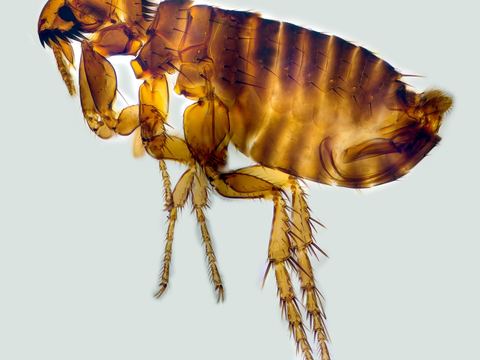
Victoria's Department of Health says adult fleas can wait in their cocoons until they sense vibration, heat, noise or carbon dioxide. In a house that's been empty for a while, that means the bites often start when the next person walks in, which is exactly what an end of lease treatment is meant to prevent.
The flea life cycle takes anywhere from 2 weeks to 8 months, depending on warmth, humidity and food. Pets are the key source, and the department says treating them is essential to stop fleas coming back, so treat the dog or cat with a product from the vet before the house is done, not after.
What the treatment involves
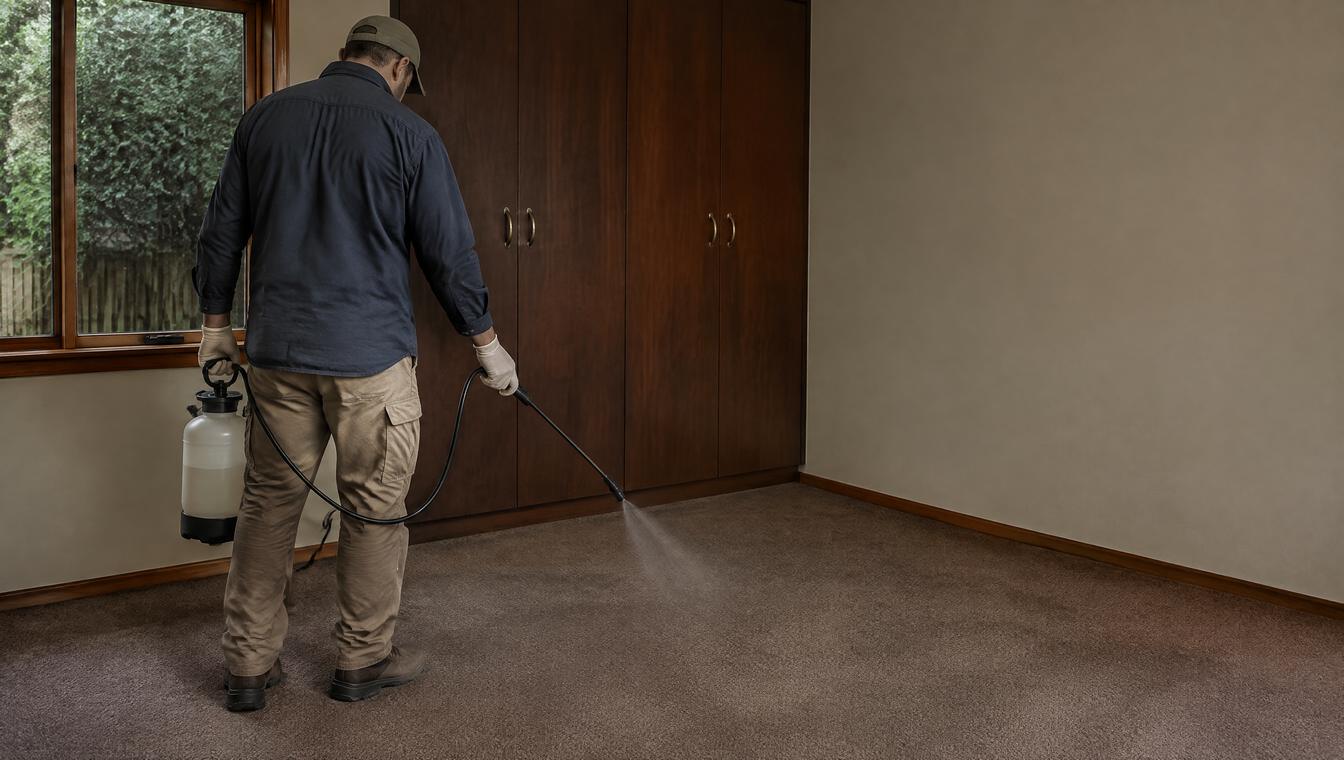
For fleas, the technician treats the floors where pets slept and spent time: carpets, rugs, the edges of rooms and under furniture, plus outside spots such as the subfloor, a shed or a kennel if your pet used them. If your lease asks for a general pest treatment instead, that usually means the inside skirting and cupboards plus the outside edges of the house.
The job gets bigger with more rooms, more carpet, a yard and subfloor the pets used, or fleas you can already see biting. It's smaller in an empty house with hard floors and pets that were treated weeks ago. Ask whether a second visit is part of the plan if fleas are active.
What the record should show
- The rental's address and the date of the treatment.
- What was treated for (fleas, or a general treatment) and which areas.
- The full name of each product used.
- The pest business's name and contact details.
- Any follow up booked, and how long to stay out afterwards.
Before the technician arrives
You can
- Treat the pets first, with a product from your vet.
- Vacuum carpets, rug edges and under the furniture, then empty the vacuum outside.
- Wash pet bedding, or throw out bedding that's worn through.
- Move boxes and furniture off the floors so every room can be reached.
Leave to a pest business
- The flea treatment itself, inside and wherever pets slept outside.
- A general treatment, if that's what the lease asks for.
- The written record of what was done.
Worth asking when you book
- Will the record name the products, the date and the areas treated?
- Should the carpets be cleaned before or after the treatment?
- How long before anyone, including the next tenant, can go back in?
- If fleas hatch after you've gone, what happens next?

Where we'd start with end of lease pest control
We'd read the lease and any pet agreement before doing anything else. No clause and no fleas means no treatment, whatever the checklist says. If there is a clause, tap Fleas or end of lease, mention your move out date, and keep the record somewhere you'll find it when the bond comes back.
Want someone to look at it?
Tell us what you've seen and your postcode, and a local pest business that handles exactly that calls you to talk it through.