The NSW rules
A banned term, with one exception
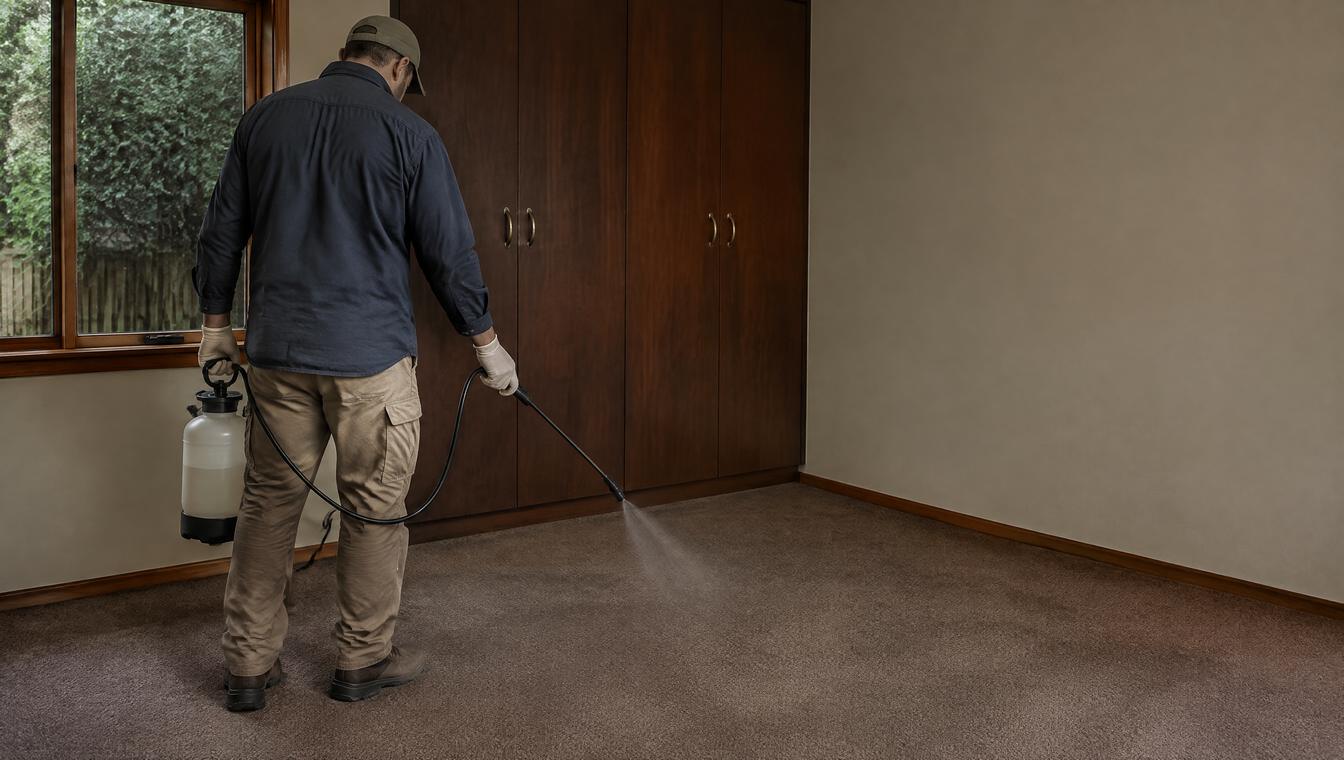
A NSW tenancy term requiring the tenant to have the property professionally fumigated is banned, unless the landlord consented to a pet that lives inside and is a mammal.
If it's in your pet agreement
Where an end of tenancy fumigation condition was agreed for an indoor mammal pet, it has to be carried out whether or not there's an infestation.
No pet bond, no pet rent
NSW landlords can't ask for a bigger bond or higher rent as a condition of allowing a pet.
Pests you caused
If a tenant caused an infestation that wasn't there at the start, the landlord can ask the tenant to fix it.
When you disagree
NSW Fair Trading's dispute resolution service can help.
Who's usually responsible?
| Generally responsible | Why | |
|---|---|---|
| Pests there when you moved in | The landlord | Part of providing a clean property fit to live in |
| Cockroaches, ants or mice drawn by rubbish | The tenant | Caused by the tenant's activities or lack of cleanliness |
| Pests that came in through a hole in the wall | Possibly not the tenant | NSW advice says pests that got in another way may not be the tenant's doing |
| Fumigation for an indoor dog or cat | The tenant, if the pet agreement says so | An agreed condition applies even without an infestation |
Fleas, and why timing matters
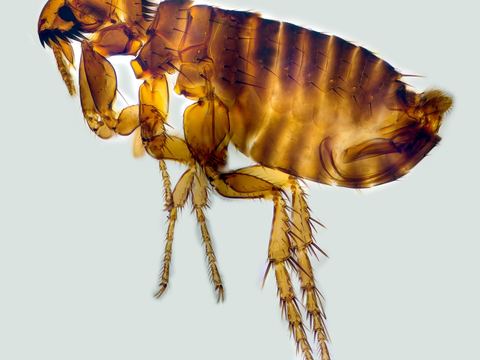
Victoria's Department of Health says adult fleas can wait inside their cocoons until they sense vibration, heat, noise or carbon dioxide, which is why people get bitten walking into a house that's been empty for a while. The full life cycle takes anywhere from 2 weeks to 8 months.
Pets are the main source, so treating the pet matters as much as treating the house. For a move-out, that usually means booking the house treatment after the pets have left, and treating the pets themselves at the same time.
For the final inspection
- A copy of your pet agreement showing the fumigation condition, if there is one.
- The treatment record from the pest business, with the date, the product's full name and the rooms and areas treated.
- A note of the day the pets left the property.
- Any airing or re-entry time the technician gives, in case the agent wants to inspect the same day.

Our take on end of lease pest control in Sydney
Read the pet clause before anything else. If your lease or pet agreement requires fumigation, book it after the pets have gone and before the final inspection, and keep the treatment record. If it doesn't, and there are no pests, there may be nothing to book; tap Fleas or end of lease only if you need it.
Want someone to look at it?
Tell us what you've seen and your postcode, and a local pest business that handles exactly that calls you to talk it through.