Yellow and black wasps? Report them
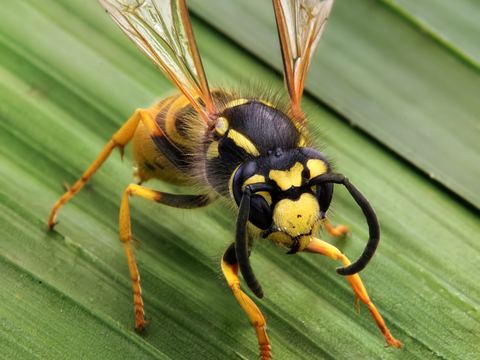
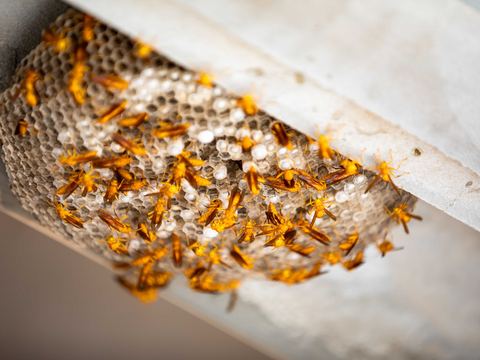
European wasps are declared pests in WA, and DPIRD's advice is to report a nest, not treat it. Don't go near a busy nest: disturbing one can lead to thousands of painful stings. Report to DPIRD's Pest and Disease Information Service or with the MyPestGuide Reporter app. Call 000 straight away for anyone stung who has trouble breathing.
A licence for the person, registration for the business
To work in WA's pest management industry you need a current pest management technician licence from WA Health, plus approved training. Each licence is endorsed with the kinds of treatment the holder is qualified to do.
WA registers the business as well. Commercial pest businesses must be registered with the Department of Health before they provide services, and a technician must work for a registered business or run their own registered owner-operator business. Working without a licence, or running an unregistered pest business, is an offence.
The Health (Pesticides) Regulations 2011 also cover how a business presents itself: nobody may advertise, or hold out in any way, that they carry on a pest management business unless they're a registered proprietor.
How to check when the register isn't public
- WA's Chief Health Officer doesn't have to make the business register available for public inspection, but may give its information to anyone who asks.
- WA Health's pesticide licensing officers can help.
- Look at the van: a registered business must show its business name and registration number on every vehicle used for pest treatments, in characters at least 50 mm high.
- Ask what the technician's licence is endorsed for, and whether that covers your job, such as termites.
Termites in WA
WA's Building and Energy recommends a termite inspection at least once a year by a pest control operator with a licence, and checking your own place every six months for obvious signs. If you do find termites, it says don't disturb them with household sprays or by pulling out the damaged wood.
Buying an existing home? Consumer Protection recommends a White Ant Certificate clause in the Offer and Acceptance form. Our termite inspections page explains what the inspector looks at.
Possums and other native animals
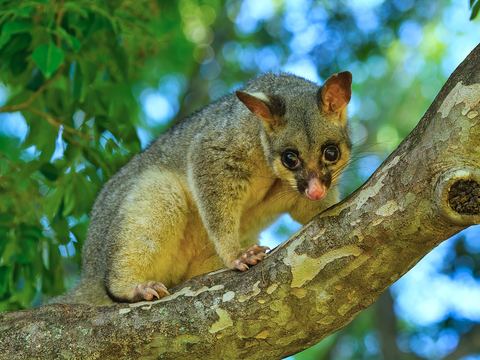
Native fauna is protected in WA: it's an offence to intentionally or recklessly harm, trade, keep or move it without a permit. DBCA, the state conservation department, says only trained and licensed people should handle possums.
DBCA also says moving possums somewhere else isn't a humane way to control them, because they can die from predation and stress soon after release. So proofing the roof is the job to ask about. The western ringtail possum is listed as Critically Endangered under WA and Commonwealth law, and the Wildcare Helpline takes calls about a sick or injured possum.
Renting with a pet in WA
A WA landlord can ask for a pet bond, capped by law at $350, to cover fumigation or pet related damage, however many pets you have; in residential parks the cap is $250, for fumigation only. Landlords can also set cleaning and fumigation conditions for pets without the Commissioner's approval, so read your pet agreement. End of lease fumigation applies only if your lease or pet agreement requires it.
Wasps, mice and mosquitoes around the state
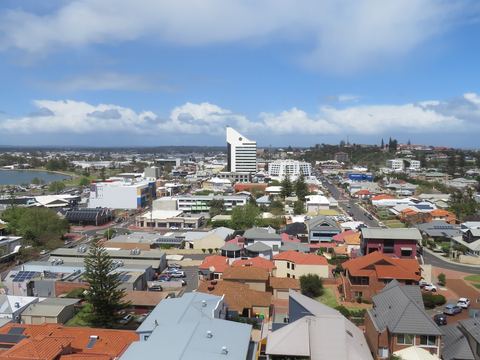
DPIRD says it has kept European wasps from establishing a permanent population in WA since 1977, and 95% of the nests it has found were in metropolitan Perth. In the 2025 to 2026 season, though, the City of Albany had 37 of the 73 nests found, more than anywhere else. Nests have also turned up in Bunbury, Busselton, Geraldton and Kalgoorlie. The trapping season runs from December to May.
In May 2026, DPIRD reported unprecedented mouse levels in regional WA, naming the Mid West and Goldfields-Esperance areas. WA Health names the coastal plain between Mandurah and Busselton as the highest risk area in southern WA for Ross River and Barmah Forest viruses, in spring and summer; that's health advice, not a pest control job.

Our advice for WA
Because you can't search the WA register yourself, we'd check the van for the registration number, ask what the technician's licence is endorsed for, and ring WA Health if something doesn't line up. Yellow and black wasps with a hidden nest go to DPIRD, not a pest business.
Want someone to look at it?
Tell us what you've seen and your postcode, and a local pest business that handles exactly that calls you to talk it through.