About the bites
Very rarely, someone has a severe allergic reaction (anaphylaxis) to bed bug bites: call 000. For ordinary bites, healthdirect suggests washing them with antiseptic soap, an ice pack for swelling and an anti-itch cream such as calamine. Try not to scratch, and see a doctor if a bite looks infected.
How to know it's bed bugs
Bites alone don't settle it. healthdirect says some people take up to 9 days to react, and as many as 1 in 5 never react at all, so the person with no marks may be sharing a bed with the one covered in them.
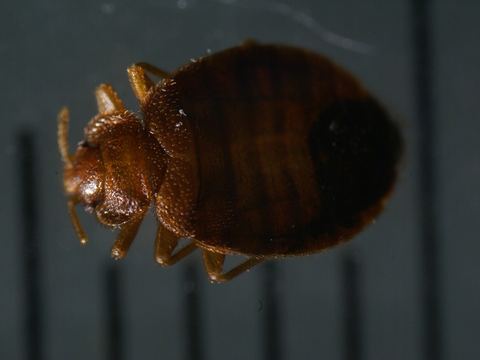
Look for the bugs and what they leave behind. Adults are flat, oval and wingless, about half a centimetre long, light brown until they feed and rust red afterwards. Young ones are cream coloured, and the eggs are cream and about 1 mm long.
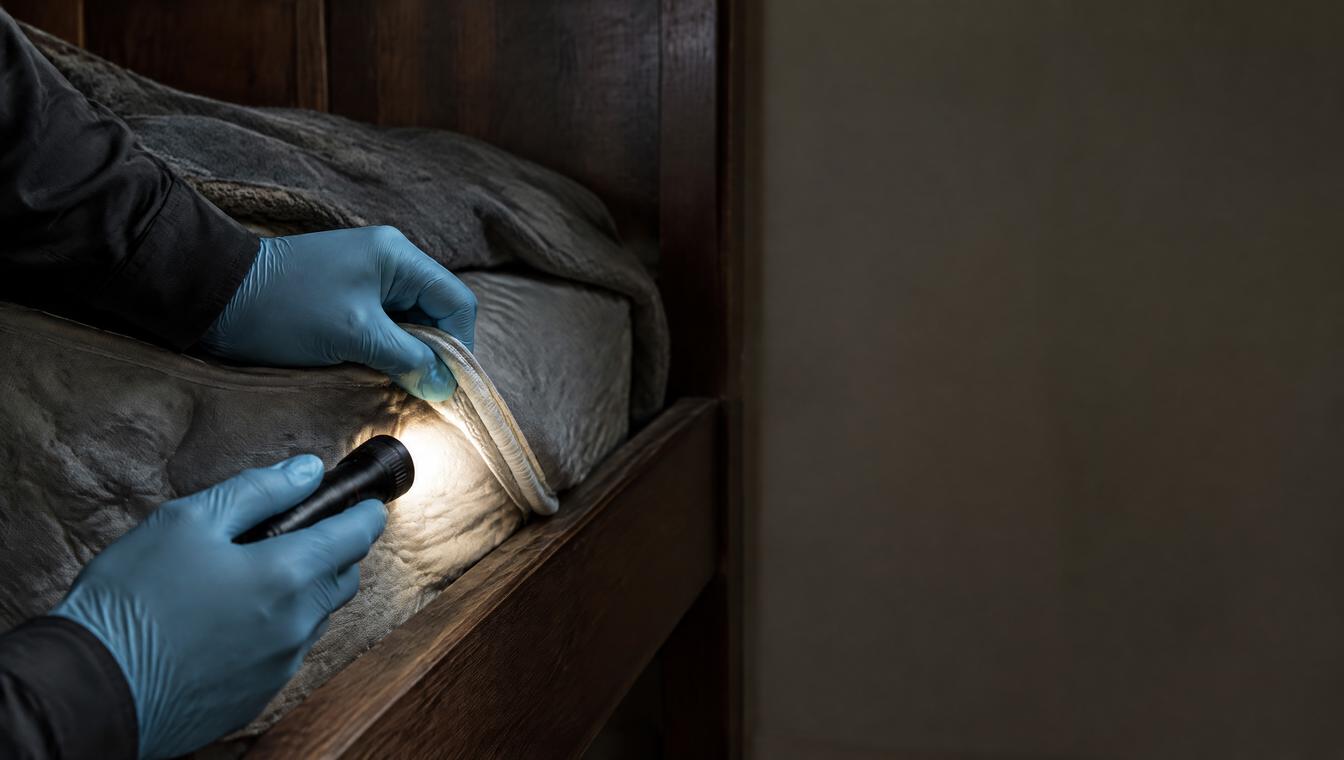
Start at the mattress seams, then the bed frame, bedside tables, picture frames, skirting boards and carpet edges. Rusty or dark spots on the mattress, sheets or wall are droppings, and a large infestation can give off a sickly sweet smell.
What to photograph for the pest business
- A live bug, an egg or a shed skin, with something beside it for scale.
- Spotting along the mattress seams and the corners of the bed base.
- Which beds and rooms are affected, and who is getting bitten.
- Any recent travel, guests or second-hand furniture.
What a bed bug treatment usually involves
Expect an inspection of every bed and the rooms around them, then a plan. Victoria's Department of Health says bed bugs typically need a mix of non-chemical and chemical treatments, so ask which non-chemical methods the business uses (some offer heat treatment) and which products, by full name.
Plan on a follow-up. Better Health Channel says repeat visits may be needed because bed bugs pass through several life stages, and they can survive months without a feed, so a quiet week isn't proof they've gone.
Better Health Channel also advises against treating bedding with pesticide. Bedding and clothes are usually washed and dried instead, so ask what you'll need to do before each visit.
What makes it a bigger job
More beds, more rooms and more time since the first bite all add to it, and so does clutter around the bed, which gives bed bugs more places to hide.
Places where people come and go are harder. Better Health Channel says bed bugs turn up most in hotels, motels, hostels and apartment complexes, though any household can get them. In a NSW block of units, if the work reaches the common areas, residents must be given a pesticide use notice at least 5 working days ahead, including when a strata managing agent arranges it.
Before the technician arrives
You can
- Keep sleeping in your own bed. Moving to the couch or a spare room can spread them to more furniture.
- Wash the bedding and clothes from the affected room, and dry them hot if you have a dryer.
- Vacuum the mattress seams and the carpet edge, then empty the vacuum into a sealed bag outside.
- Hold off throwing out the mattress until the technician has seen it.
- Check second-hand furniture before it comes inside, and check hotel beds when you travel.
Leave to a pest business
- Inspecting every room where people sleep, and the furniture nearby.
- Treating bed frames, cracks and furniture, and deciding what can be treated.
- Follow-up visits for the bugs that hatch after the first one.
- Working with strata or the neighbours when it's an apartment.
Ask before you say yes
- How many visits does the plan include, and how far apart are they?
- Which non-chemical methods will you use, and which products, by full name?
- What do we need to do with bedding, clothes and furniture before each visit?
- Will you check the rooms next to the bedroom too?
- What results should we expect, and what does any warranty cover, in writing?

Where we'd start with bed bug treatment
We'd strip the bed and run a torch along every mattress seam before calling anyone. Found a bug, a skin or the rusty spotting? Photograph it, keep sleeping where you are, and tap Bed bugs. Clean homes get them too, and the sooner a pest business sees them, the fewer rooms they reach.
Want someone to look at it?
Tell us what you've seen and your postcode, and a local pest business that handles exactly that calls you to talk it through.