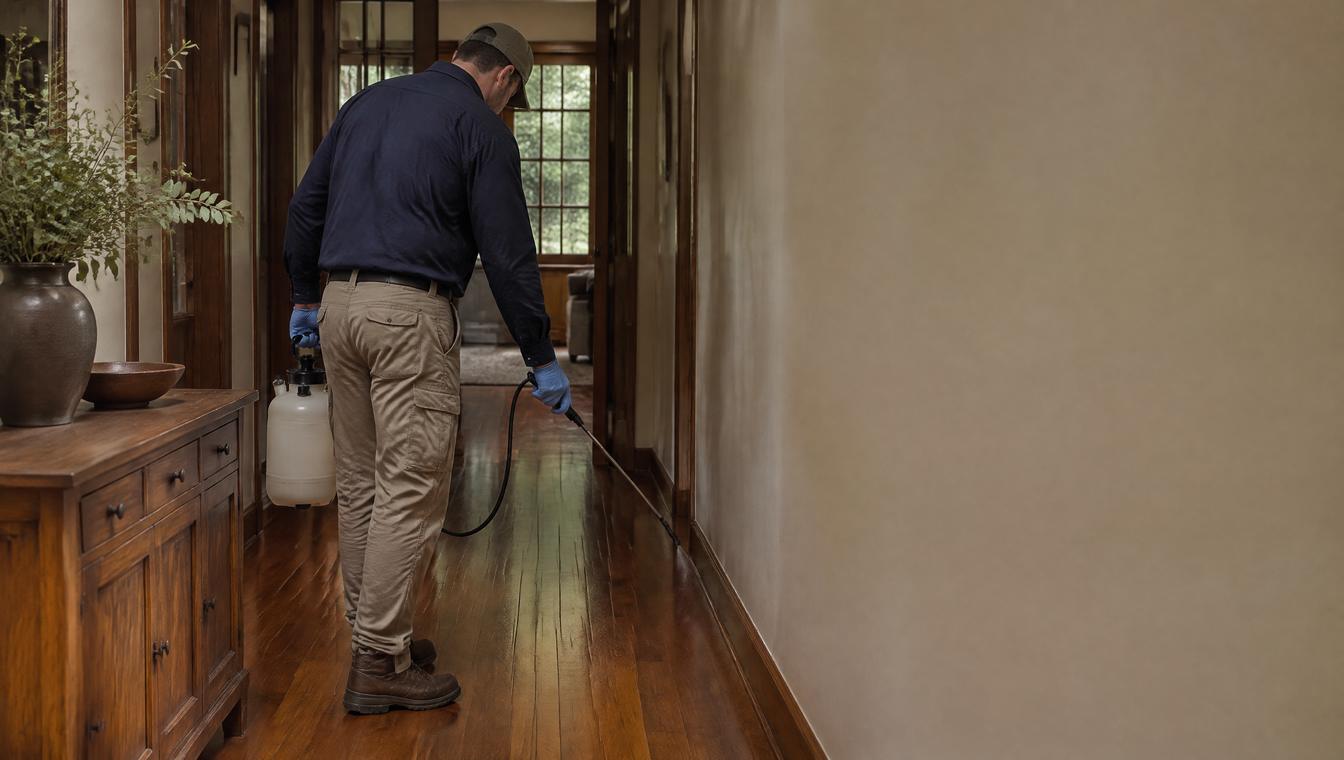

What a general treatment covers, and what it doesn't
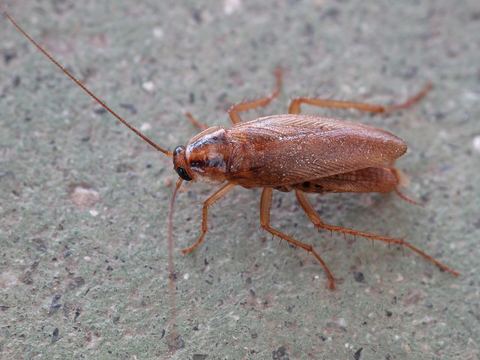
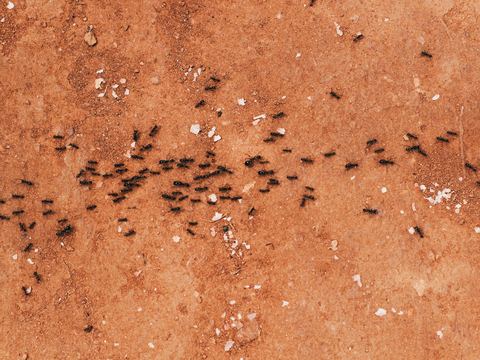
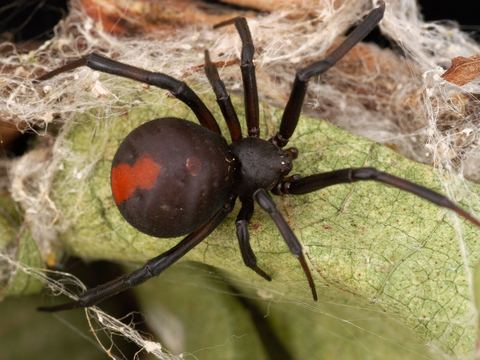
It's aimed at the common crawlers: cockroaches, spiders and ants, and often silverfish. The technician treats where they hide inside, the outside walls, eaves and window frames, and usually the roof space and subfloor if there's access.
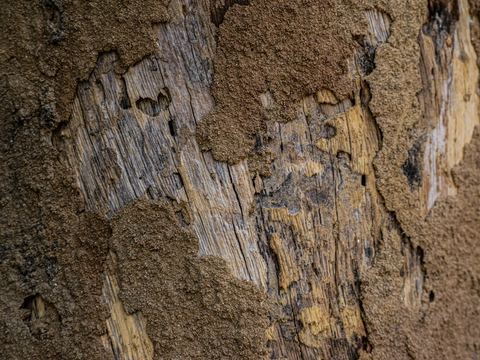
It isn't a termite inspection or a termite treatment. Termites need their own inspection by a termite inspector, explained on our termites page. Rats and mice, possums, birds, bed bugs and fleas are separate jobs too.
Scope varies between businesses, so get it in writing: which pests, which parts of the house, and whether the roof space and subfloor are included.
When is a general treatment worth it?
When you keep seeing a bit of everything: cockroaches at night, webs along the eaves, ants after rain. One huntsman on the wall, or a lone redback under the outdoor setting, isn't a reason to treat the whole house.
If one pest is causing the trouble, a targeted job usually suits better. German cockroaches in the kitchen call for cockroach control, and a trail that keeps coming back calls for ant control.
Getting the house ready
Tell them who lives there
Mention babies and young children, anyone pregnant or elderly, allergies, pets, fish tanks and veggie gardens, so the technician can plan the treatment and tell you any precautions.
Clear and cover
NSW EPA advice is to cover kitchen utensils and bench surfaces or move furniture beforehand, cover or remove bird cages and fish tanks, and move other pets.
Be out while it dries
Better Health Channel advises leaving while the pesticide is applied and until it's dry, and says four to six hours is generally recommended. Go by the re-entry time the technician gives you for their product.
Come back to fresh air
NSW EPA advice is to keep young children, pregnant women and the elderly away, and to go back into a treated area only once it has dried and been well ventilated.
Keep the paperwork
Write down the full name of each product used. In NSW, a pest controller must hand over the safety data sheets for the pesticides being used if you ask.
What changes the size of the job
The size of the house and yard, the number of levels, how easy the roof space and subfloor are to get into, and which pests you're seeing all change the work involved.
Units and townhouses add a step. In NSW, pest work in the common areas of a residential complex needs a written pesticide use notice to residents at least 5 working days beforehand, and strata managing agents who arrange the work are covered by that rule. Some urgent work on biting or dangerous pests is exempt.
Signs of a poor deal
- Someone at the door offering to spray today if you agree on the spot.
- No product name, or a vague answer when you ask what they'll use.
- Promises that pests won't come back, or that the product can't affect anyone.
- No written quote, or one that doesn't say which pests and areas are covered.
- Pressure to add a termite treatment without a termite inspection first.
Your side of it, and theirs
You can
- Fix leaks and dry out damp spots under sinks and in the laundry.
- Keep garden beds and mulch clear of the walls, and store firewood off the ground and away from the house.
- Seal gaps around pipes, doors and windows.
- Keep food sealed and bins lidded.
Leave to a pest business
- Choosing the products and applying them inside, in the roof space and subfloor.
- Treating the outside walls, eaves and window frames.
- Spotting signs of termites or rodents that need their own inspection.
What to ask before they start
- Which pests does this cover, and which parts of the house?
- What's the full name of each product, and can I have the safety data sheet?
- How long do we stay out, and what should we cover or move?
- What results should we expect, and is a return visit or warranty included, in writing?
- Does any of this cover termites?

Our take on general pest control for your home
If you're seeing a bit of everything, a general treatment now and then is a sensible way to stay on top of it. If it's mostly one pest, say which, because a job aimed at that pest usually works better. Either way, tap the pest you've seen most when you tell us, and ask for the product name on the day.
Want someone to look at it?
Tell us what you've seen and your postcode, and a local pest business that handles exactly that calls you to talk it through.