Leave the possum be
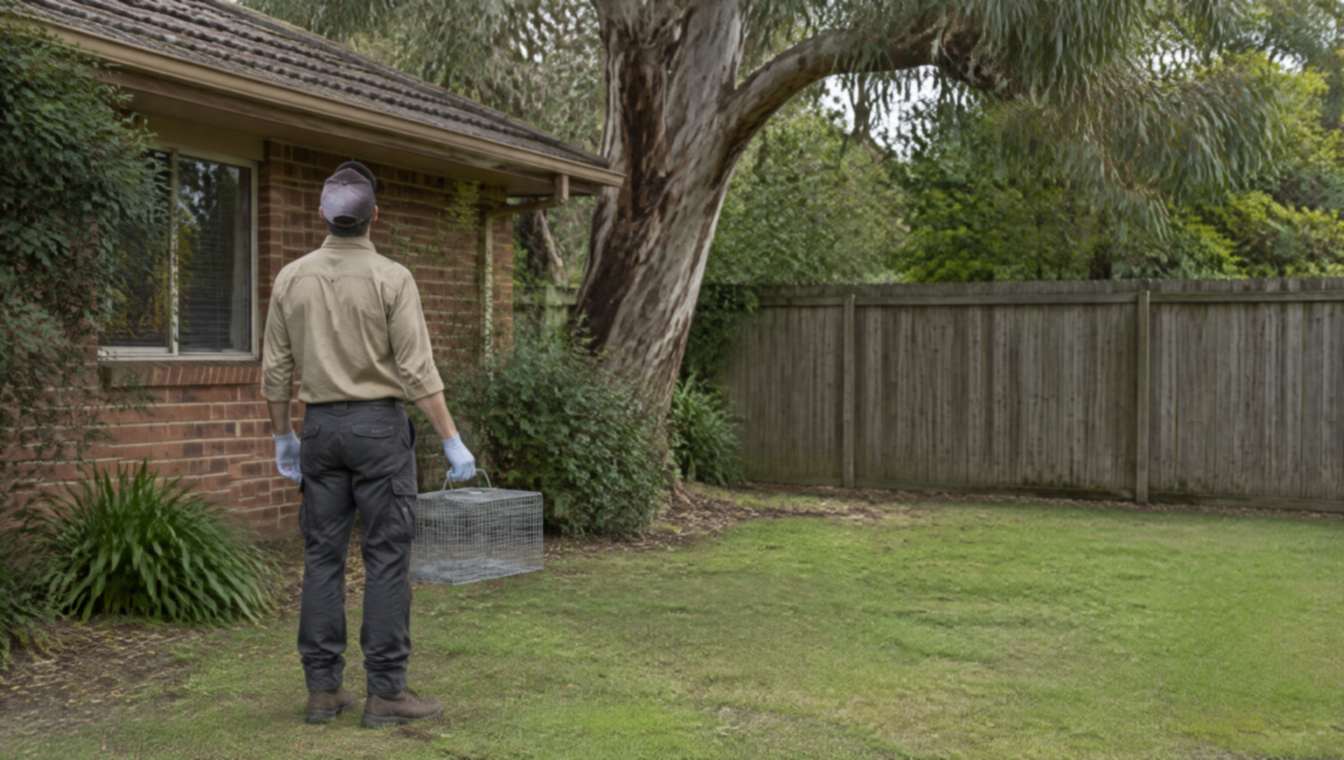
Don't trap, bait, poison or handle a possum yourself. Possums are protected wildlife, the rules on who may catch one differ from state to state, and getting it wrong can be an offence.
Is it really a possum?
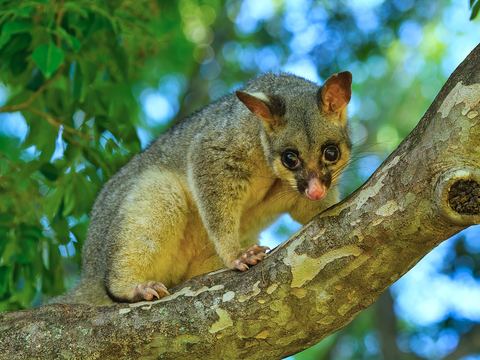
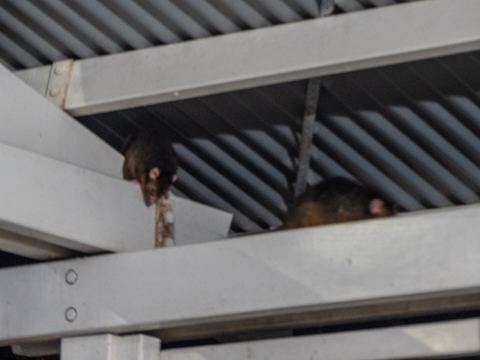
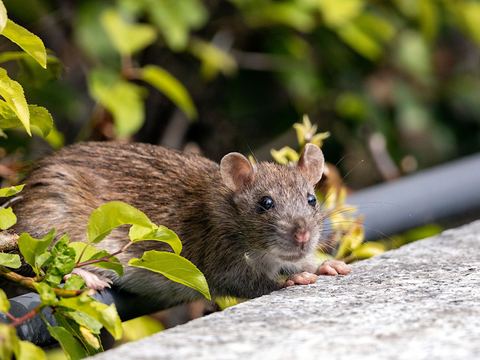
A possum is much heavier than a rat. The Queensland Government says you may hear brushtails scampering across the roof at night as they travel to feed, and that deep guttural coughs and sharp hisses are among their frequent calls, especially in the breeding season.
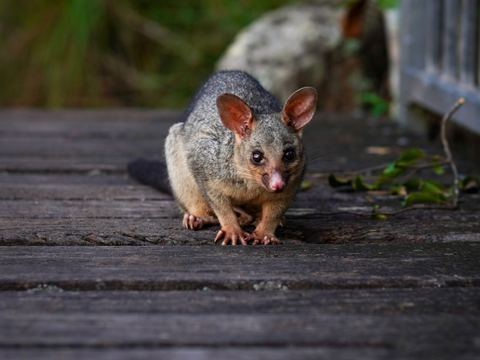
Brushtails move into roof cavities looking for a dry place to sleep during the day, then leave at night to forage. They're usually silvery grey with a black band across the snout and a black tip to the tail. Common ringtails are about the size of a cat, with a white tail tip, and are almost entirely tree dwellers that build a round nest of grass and shredded bark called a drey.
Scratching, squeaking and gnawing is more likely rats or mice, which are a different job: see rat and mouse control.
What the job usually involves
An inspection comes first. The technician looks for every gap the possum uses, such as lifted tiles, open eaves, gaps at the flashing or a branch resting on the roof.
Then the house is proofed so the possum can't get back in. Timing is the skill: NSW advice is to block a possum's access points only when you're sure it has left the roof to forage, usually at night, so it isn't sealed inside. Some businesses fit a one-way flap over the last opening so the possum can leave but not return.
A nest box gives it somewhere else to sleep. NSW guidance suggests one secured at least 4 metres above the ground.
If a possum has to be caught, it's done by whoever your state allows, and released close by, under the rules in the table below.
Catch and release rules by state
| Who may catch a possum | What the rules say about release | |
|---|---|---|
| NSW | Nobody without a licence. Catch and release operators are licensed by the department's Biodiversity and Heritage Regulator, and the department says to ask whoever you hire if their licence is current. | At dusk, no more than 150 metres from where it was caught, near something it can climb straight away, such as a tree or tall fence. |
| VIC | Brushtails only, by the owner or occupier and their family, building managers and their staff, or DEECA licensed Wildlife Controllers, in a cage trap designed not to injure. Trapping a ringtail without a permit is illegal. | On the same property, no more than 50 metres from where it was caught, after sunset on the day it was caught. |
| QLD | Only possum catchers holding a commercial licence, says the Queensland Government. | Within 25 metres of where it was caught. |
| SA | Someone with a permit, or a permitted possum controller. | On the same property, within 50 metres, within 24 hours and after dusk. No permit allows a possum to be moved off your property. |
| WA | Native fauna is protected, and DBCA says only trained and licensed people should handle possums. | DBCA says moving a possum somewhere else isn't a humane option, because possums moved away from home can die from predators and stress soon after. |
| TAS | A Special Purposes Wildlife Permit to trap can be issued, as a last resort, with strict conditions. | NRE Tasmania says moving a possum generally doesn't work: competition for food and shelter usually means it dies. |
| ACT | Only licence holders on the ACT Government's published list, which shows each licence number and expiry date. | If a business claims a licence but isn't on the list, the ACT Government asks you to confirm before engaging them. |
What changes the size of the job
The number of gaps and how easy the roof is to reach matter most. A roof with several openings, or one that's steep or high, takes longer to close up properly.
Whether a catch and release is needed depends on your state's rules and on whether the possum leaves on its own. Overhanging branches that give it a way back on, and repairs to ceilings or insulation once it's out, add to the work.
Your part, and the pest business's
You can
- Watch the roofline from the garden at dusk to see where it comes out, and note the spot.
- Keep pet food inside and pick up fallen fruit: suburban possums will eat almost anything.
- Photograph the gap from the ground for the pest business.
- Ask a neighbour if they've had a possum too; it may be using both roofs.
Leave to a pest business
- Finding and sealing every entry point, at the right time of night.
- Catch and release, only by someone your state allows and only where its rules permit it.
- Fitting a nest box, and any repairs in the roof space.
- Working out whether it's a possum at all.
What to ask the pest business
- Which possum is it, and where is it getting in?
- How will you make sure it's outside before the last gap is closed?
- Does this job need a catch and release, and who holds the licence or permit for it in this state?
- If it's caught, where will it be let go, and does that match our state's rules?
- What exactly will you seal, with what, and what happens if it finds another way in?

Where we'd start with possum removal
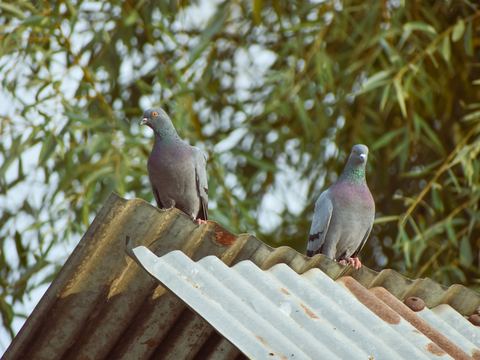
We'd spend one evening in the garden at dusk watching where it comes out, then tap Possum or birds with what we saw. There's no need to rush a possum job. Done properly, the roof is sealed at night once the possum is out, a nest box goes up in a tree nearby, and the possum stays in your neighbourhood where it belongs.
Want someone to look at it?
Tell us what you've seen and your postcode, and a local pest business that handles exactly that calls you to talk it through.