Rat bait and possums
If a child may have swallowed rat or mouse bait, call the Poisons Information Centre on 13 11 26, any time; for a pet, call your vet now. Never put bait out for a possum: they're protected wildlife.
Possum, rats or mice?
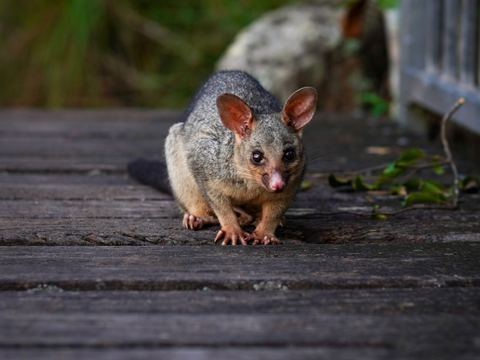
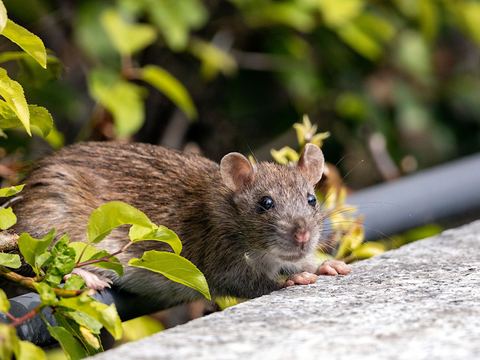
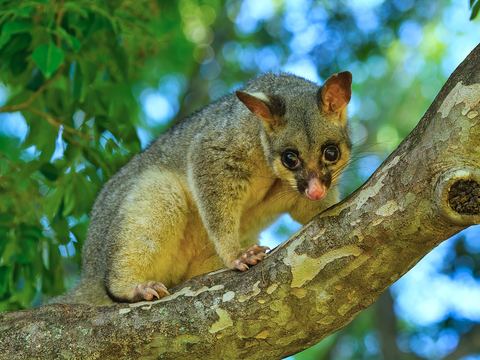
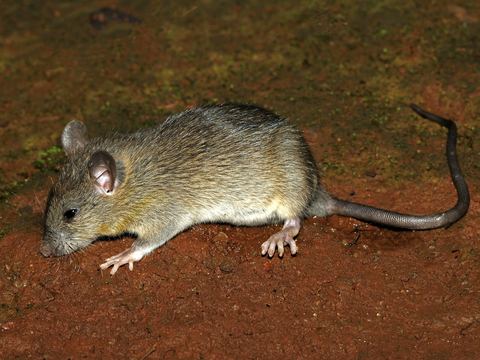
| Possum | Rats | Mice | |
|---|---|---|---|
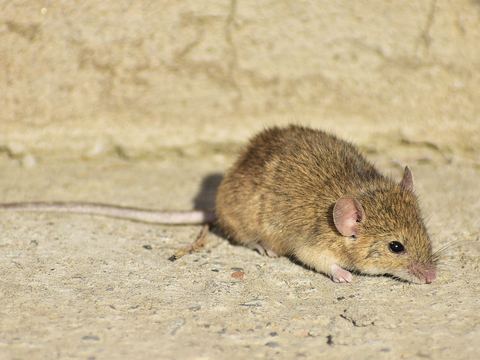
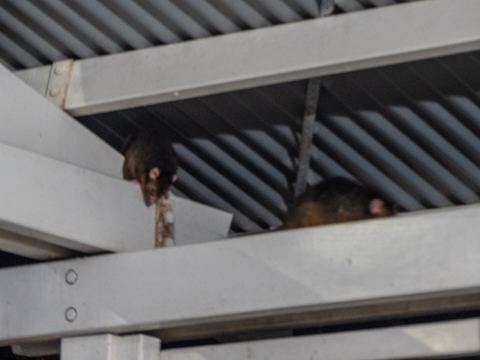
| What you hear | Scampering across the roof at night as it heads out to feed, says the Queensland Government | Scratching, fighting, squeaking, clawing and gnawing through the night | Scratching, squeaking, clawing and gnawing at night |
| When | Sleeps up there by day, leaves after dark to forage | Active at night | Active at night |
| What you find | Footprints in flour near the gap it uses | Black, torpedo shaped droppings 10 to 18 mm long, and nests of shredded material | Black, rod shaped droppings 3 to 6 mm long |
| Best check | Watch the roofline at dusk to see it leave | Droppings near the manhole and along the tops of the walls | Droppings, and nibbled stored items |
| Whose job | Possum proofing, and lawful catch and release where your state allows it | Rats and mice: bait stations and proofing | The same rodent job |
Why the sound alone can fool you
Rockhampton Regional Council's list of night noises for rats and for mice is almost the same, and a possum moving at night can sound like either. No official source we've found tells them apart by ear. That's why NSW Government guidance suggests watching for a possum leaving at dusk, and sprinkling flour near the entry points to see whose footprints turn up.
Victoria's Department of Health adds a detail for droppings: Norway rat droppings are banana or sausage shaped, while roof rat droppings are spindle shaped. The roof rat, it says, nests in buildings and roof voids. The Australian Museum notes black rats make nests of shredded material.
Other things that use the roof space
Birds. The Australian Museum says the common myna favours the walls and ceilings of buildings for nests and uses roof voids as communal roosts; see bird proofing.
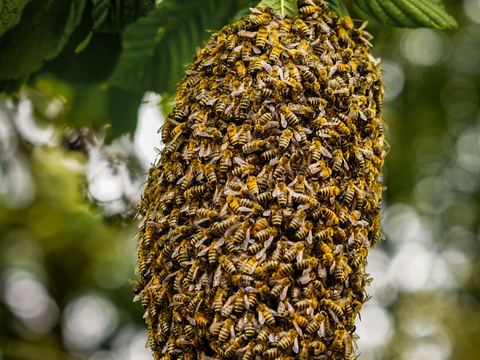
Wasps and bees. About 80% of European wasp nests are in the ground, and most of the rest are inside buildings such as roofs and wall cavities, says Victoria's Department of Health. A steady line of insects at one gap under the eaves is a nest: keep clear and see wasp nest removal or bees in a roof. Paper wasps hang their open combs under the eaves outside.
Cockroaches and ants. American and smokybrown cockroaches live in roof and wall voids, and black house ants commonly nest in ceilings, according to Victoria's health department.
Termites. WA Building and Energy says roof leaks should be fixed quickly, because damp conditions attract termites.
What to check, without crawling across the joists
Look from the manhole
With a torch, from the ladder, look for droppings, shredded insulation and nesting material near the opening. Leave walking the ceiling joists to a technician.
Watch the roofline at dusk
Stand outside for half an hour around sunset. A possum leaving tells you where its gap is.
Try the flour test
Sprinkle a little flour near a suspected entry point, then check the prints the next morning.
Walk around the outside
Look for lifted or broken tiles, gaps at the eaves and fascia, and branches that touch the roof.
Your part, and theirs
You can
- Keep bins lidded, pet food in at night and fallen fruit picked up.
- Photograph droppings with something beside them for scale.
- Fix roof leaks, which bring damp into the timbers.
- Keep stored boxes off the ceiling and away from the manhole.
Leave to a pest business
- Setting bait stations in the roof space.
- Possum proofing, and catch and release by someone licensed or permitted in your state.
- Wasp or bee nests in the roof or eaves.
- Anything that means moving around on the ceiling joists.

What we'd do about pests in the roof
We'd spend one evening outside at dusk watching the roofline, and put a little flour by the gap we suspected. A possum seen leaving means proofing on a night it's out; small droppings and tiny prints mean rats or mice. Then tap Rats or mice or Possum or birds.
Want someone to look at it?
Tell us what you've seen and your postcode, and a local pest business that handles exactly that calls you to talk it through.