Before anyone treats, leave them be
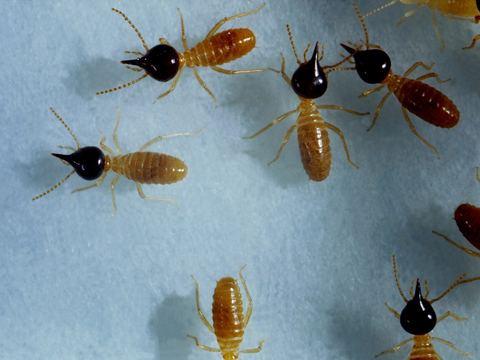
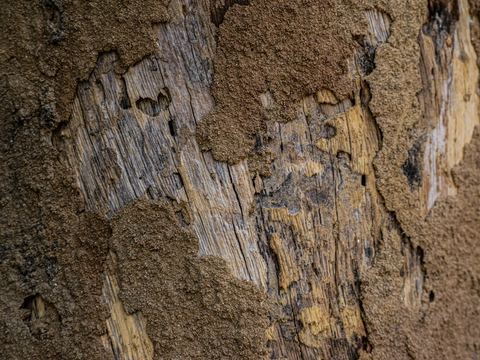
If you've just found live termites, resist the urge to spray them or rip out the timber. CSIRO's advice is not to disturb them further, since a number of treatment methods depend on termites that are still feeding where they were found.
A treatment should follow an inspection that maps where the termites are, how far the damage runs and how they're getting in. If someone offers to treat before anyone has looked properly, ask why.
What a treatment usually involves
WA Building and Energy describes treating an existing house as a combined approach rather than one product. In practice a plan tends to have three parts.
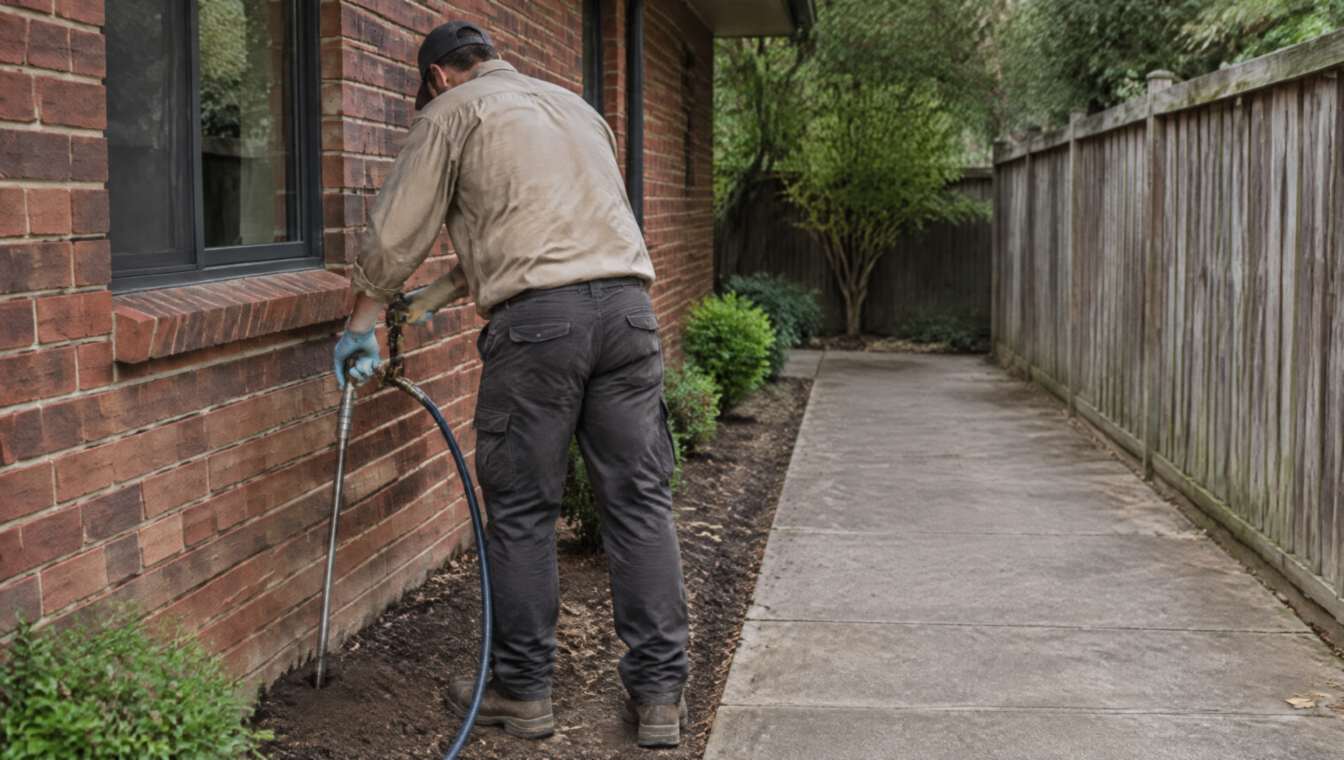
Treating the active workings. A termiticide goes into the tunnels or the damaged timber. WA Building and Energy says this can cut numbers but seldom finishes a colony on its own, so it's normally paired with another method.
Getting at the colony. If the nest is found, in a stump, a tree or the ground, it can be treated directly. Where it can't be found, baiting uses the termites themselves to carry a termiticide back home.
Protecting the house afterwards. A chemical soil treatment or physical barrier helps stop the next colony getting in unseen, and regular inspections pick up anything that slips past.
A quote may name a product brand, such as Termidor, instead of describing the method. Ask what the product is, its full name, and exactly where it will be used.
What changes the size of the job
- How far the termites have spread through the house, and whether they've reached the roof timbers.
- Slab or raised timber floor: putting a barrier under an existing slab, porch or floor can mean drilling through it, WA Building and Energy notes.
- How easy the subfloor and roof space are to get into.
- Where the nest is, and whether it's on your block or a neighbour's.
- How many follow-up visits the plan needs, for bait checks or a re-inspection.
- Whether a barrier is part of the plan, and which kind.
- Repairs to eaten timber, which are usually a separate job for a carpenter or builder.
Which licence should the technician hold?
It depends on the state, and in NSW and Victoria the licence belongs to the person, not the company. In NSW, anyone licensed or renewed after 17 December 2021 needs the timber pest management technician licence to do timber pest treatments, and the NSW EPA suggests checking the photo licence card, that the photo matches whoever turns up, and the expiry date.
In Victoria, look for the general authorisation including timber pests on the technician's licence. In Queensland, chemical termite work needs both a QBCC termite management licence class and a pest management licence from Queensland Health. The other states are on their state pages.
Being pressed to sign on the spot
Termite treatments are sometimes sold at the kitchen table, straight after the inspection. Under the Australian Consumer Law, an agreement can be unsolicited when the consumer invited the business for one service and then agreed to a different one, and the law says asking only for a price quote isn't an invitation to negotiate.
For an unsolicited consumer agreement, section 82 lets the consumer end it up to the close of the tenth business day after it was made. Consumer Affairs Victoria adds that during that cooling-off period, the supplier mustn't supply the services or accept any payment.
Whether those rules fit a particular agreement is a question for your state's consumer affairs or fair trading office, not for us. The simpler course is not to sign that day: take the quote home, read it, and decide when you're ready.
On treatment day
The NSW EPA suggests covering or moving fish tanks and bird cages, relocating other pets, and only going back into a treated area once it has dried and been aired. Better Health Channel advice in Victoria is to stay out until the pesticide is dry, with four to six hours generally recommended.
In NSW the pest controller must hand over the safety data sheets for the products used if you ask. Our guide to before and after a treatment covers the rest.
What's yours to do, and what isn't
You can
- Leave the termites and the damaged timber as you found them until the treatment is done.
- Get dripping taps, leaking pipes and overflowing gutters fixed, since damp draws termites in.
- Clear access to the subfloor and the roof hatch before treatment day.
- Keep the inspection report, the quote and the treatment record together.
Leave to a pest business
- Applying any termiticide or bait.
- Drilling slabs, paths or walls to treat the soil.
- Finding and treating the nest.
- Re-inspecting to confirm the activity has stopped.
Get these answers in writing
- Which product will you use, by its full name, and where exactly will it go?
- How does this plan reach the colony, as well as the termites I can see?
- How many visits are included, and when is the re-inspection?
- What will the treatment record show: the product, where it was applied, the re-entry time and any follow-up?
- What happens if termites are active again afterwards, and is that written into the agreement?
- Which licence, authorisation or QBCC class do you hold for this work?

What we'd do in your shoes
We'd get the inspection report first, ask for the treatment plan in writing with the product named and the follow-up visits listed, and read it at home before signing anything. Tap Termites and your postcode to start with the inspection.
Want someone to look at it?
Tell us what you've seen and your postcode, and a local pest business that handles exactly that calls you to talk it through.