
Termites and the Bundaberg flood
Water over the floors
Bundaberg Central, Bundaberg East and Bundaberg North all saw council mosquito treatments after the March 2026 flood. The QBCC's advice for any home where flooding surrounded or covered the internal floors is to check the termite management system for damage.
Rebuilding around the house
The QBCC says footpaths, garden beds, patios, pergolas, landscaping and laying turf can make a termite system less effective, by blocking it or hiding where termites come in. Flood repairs can include exactly that work.
Termites found across Queensland
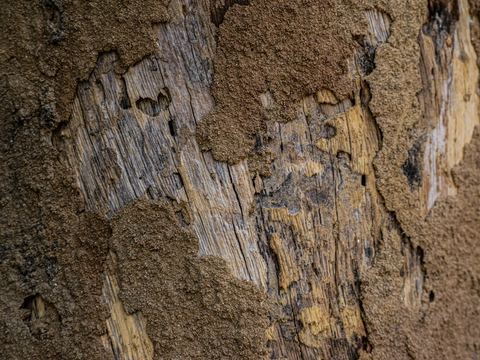
Coptotermes and Schedorhinotermes, which travel in enclosed mud galleries, occur throughout the state, and so does the West Indian drywood termite.
Repairing after water damage
If you're replacing floors, linings or framing, the QBCC lists termite-resistant materials to consider: treated timber, masonry, steel, concrete and fibre reinforced cement. Ask your builder how the repairs will tie back into the existing termite system, and have it checked once the work is done.
Termites seek moisture, the QBCC says. While the house dries out, keep water from pooling in gutters, fix leaking pipes and taps, and lift wood that's touching the ground near the house.
If you find termites
Leave them where they are. Don't spray, break open the mud or remove damaged timber; CSIRO says many control options rely on termites still being active when the inspector arrives.
Damage is how most people find them. CSIRO's survey found 86% of homes with termites noticed damaged wood, 34% mud tubes and 8% wings, so soft skirting or a mud trail on a stump is reason enough to book.
How a Bundaberg termite job runs
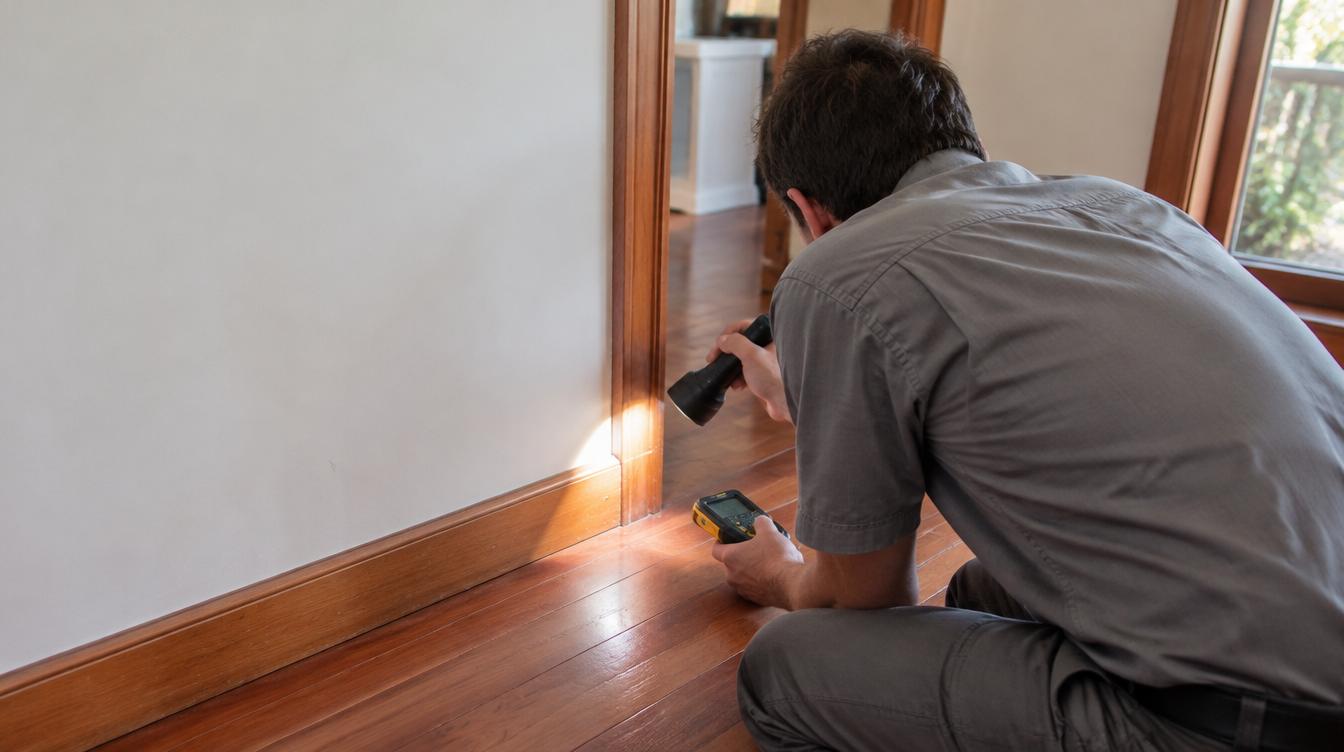
The inspection covers the roof space, subfloor, walls and yard, and the report says what's active, where, and what the existing system's condition is. Treatment is commonly a soil barrier, baiting or both, with return visits until activity stops, then regular inspections after that.
In Queensland, the QBCC says to get an inspection from someone holding a QBCC termite management contractor licence if your system may have been compromised. Applying the pesticides also needs a Queensland Health pest management licence.
What to have ready for the inspector
- A photo of the termite notice in the meter box, showing the system and its date.
- How high the water came, and how long it stayed.
- Any repair or landscaping work done since, and where.
- Where you've seen damage, mud or frass, with photos taken without touching it.

Where we'd start with termite inspections and treatment in Bundaberg
We'd get the termite system checked before the new garden beds and paths go in, not after, so the inspector can see the edges of the house. Tap Termites and your postcode, and mention the flood.
Want someone to look at it?
Tell us what you've seen and your postcode, and a local pest business that handles exactly that calls you to talk it through.