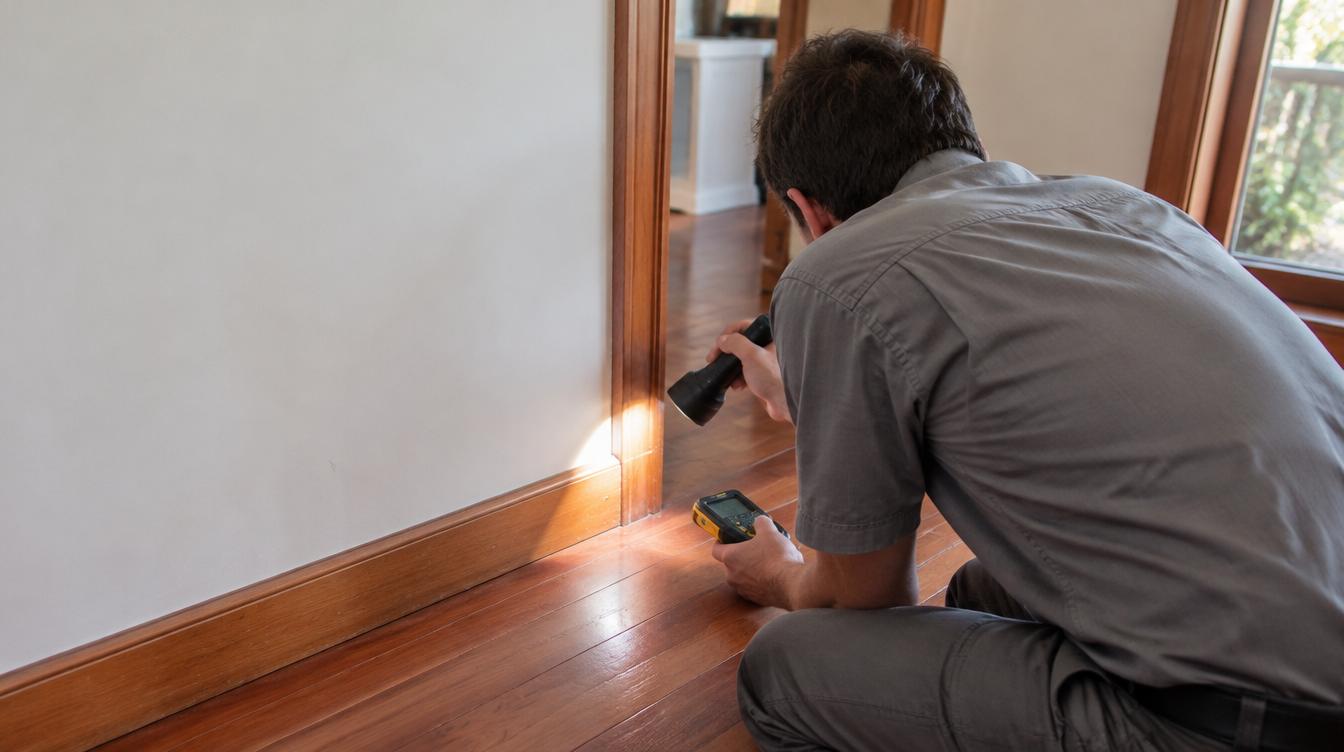
Found mud or soft timber? Do this first
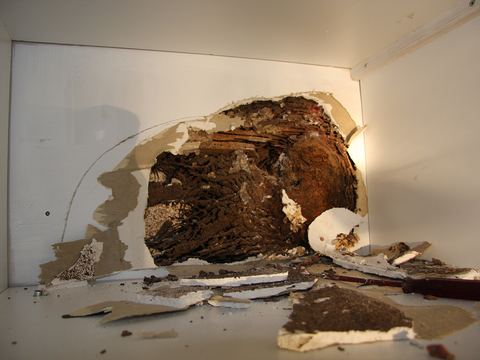
Leave it exactly as it is
Don't poke, spray or pull out the timber, and don't break open mud tubes. CSIRO says several control options rely on finding termites still active, so a disturbed nest can make the job harder.
Take photos from where you stand
A wide shot showing where it is on the house, and a close one. Note the date and anything recent nearby, like a leaking tap or new garden bed.
Check the meter box
Newer homes should have a durable notice there, showing the termite management system used, when it went in and how often it should be inspected.
Ask for a termite inspection
Tap Termites with your postcode. A termite inspector looks over the whole house before anyone talks about treatment.
Termites in Brisbane
The mud builders
Business Queensland names Coptotermes acinaciformis and Schedorhinotermes species, subterranean termites found right across the state. They travel above ground inside enclosed mud galleries to reach the timber in a house.
Drywood termites as well
The West Indian drywood termite also occurs throughout Queensland and has done considerable damage to timber homes. It doesn't need soil contact; look for little piles of gritty pellets, like sand or ground pepper, below tiny holes.
Rain in the warm months
Most of South East Queensland's rain falls in summer and autumn. Damp timber, overflowing gutters and leaking pipes are what termites go looking for, so fix leaks quickly.
Exotic termites get reported
If a termite inspector suspects an exotic Coptotermes species, Business Queensland wants it reported straight away to Biosecurity Queensland, or the Exotic Plant Pest Hotline.
Subterranean or drywood?
| Subterranean termites | Drywood termites | |
|---|---|---|
| How they get in | From a nest in the soil, through mud shelter tubes over brick, concrete or stumps | Inside the timber itself, with no soil contact |
| What you notice | Soft or hollow sounding timber, mud tubes, blistered paint | Gritty pellets under very small holes |
| Where to look | Subfloor, the slab edge, door frames, skirting boards, garden beds against the wall | Window frames, furniture, roof timbers |
Two licences for one job
Queensland splits termite work across two regulators. Queensland Health issues the pest management licence, with a timber pest control endorsement for termite and borer work. The QBCC (Queensland Building and Construction Commission) then has its own termite management classes.
The QBCC chemical class covers chemical treatment under a new slab and around the outside of a building, plus inspecting and reporting on termite systems and termites in finished homes. Anyone doing or supervising that work must hold the Queensland Health licence as well. A separate physical class covers fitting a termite barrier product to the maker's specification.
The QBCC publishes its register of licensed contractors as open data, refreshed daily, so you can look up a name and number. The full state rules are on our Queensland licence page.
What a Brisbane termite job usually involves
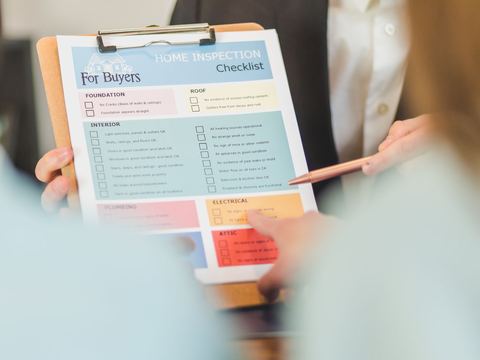
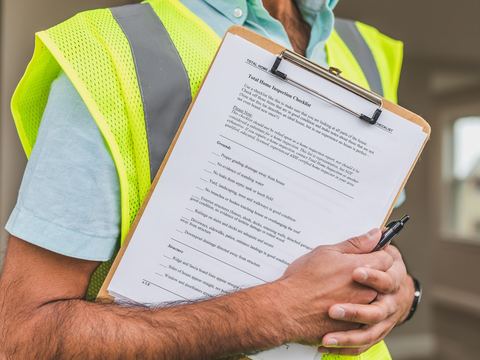
It starts with a full termite inspection: roof space, subfloor, wet areas, the outside walls, fences, stumps and trees on the block. The written report says what was found, what couldn't be reached, and what makes the house attractive to termites.
If termites are active, the first job is the colony, often with termite baiting or a targeted treatment. Protecting the house afterwards usually means a chemical zone in the soil around it or a monitored bait system, then regular inspections. Our barriers page compares them.
The job grows with how far the damage has spread, how easy the subfloor and roof are to reach, whether concrete paths need drilling, and how many return visits the system needs.
Ask the termite inspector
- Which QBCC termite class and Queensland Health endorsement do you hold, and what are the numbers?
- Will the report list every area you couldn't get into?
- Why this system for this house, rather than the other kind?
- What's the product's full name, and what drying or re-entry time applies?
- How often should it be inspected afterwards, and what does any warranty cover, in writing?

If it were our house in Brisbane
The QBCC advises an inspection every year, or more often where termites are more active. We'd keep to that, check the meter box notice is still current, and if we ever found soft timber, we'd leave it alone and tap Termites the same day.
Want someone to look at it?
Tell us what you've seen and your postcode, and a local pest business that handles exactly that calls you to talk it through.