Bees close to the house
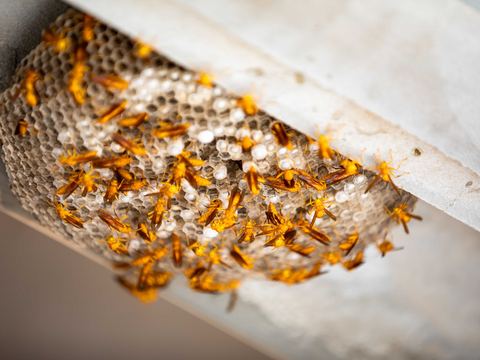
Keep people and pets away from any swarm or nest, and don't spray it. Trouble breathing, or a swollen face or throat, after a sting is a 000 call.
Living around the lake
The Lake Parklands
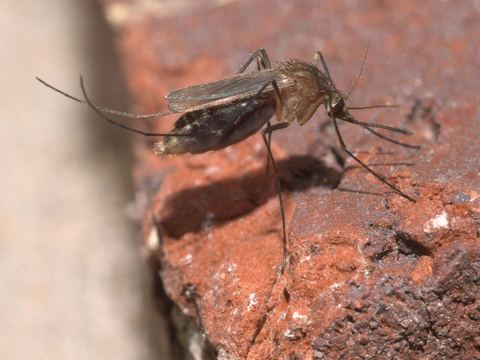
The parklands cover more than 10 hectares, with the lake at the centre. Brisbane City Council's mosquito program names temporary ground pools as the place freshwater mosquitoes breed, so look at what's sitting in your yard after rain as well as what's in the park.
Blunder Creek
The council's 2026-27 works program lists a Blunder Creek project at Wallaroo Way Park in Forest Lake, so the creek is part of the suburb too.
Asian honey bees
Business Queensland said Asian honey bees were reported in south-western Brisbane in June 2026, and it was investigating in July. It says to confirm which bee you've got before you do anything. Suspected Asian honey bees go to Biosecurity Queensland, within 24 hours.
Mynas on the mown grass
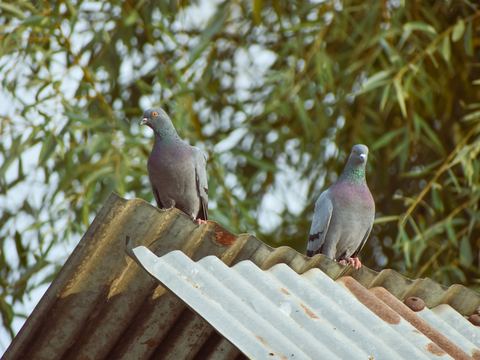
The council says common mynas thrive around people and prefer mown lawns, and they compete aggressively for nesting hollows. They're easily confused with the native noisy miner, so be sure which you're looking at.
A swarm, a nest or a report?
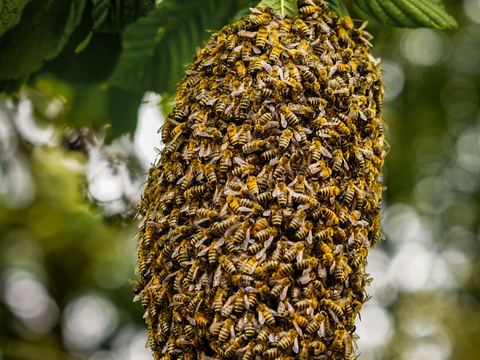
Business Queensland says swarms occur naturally in spring to early summer, and swarming bees are usually placid when left alone. It suggests contacting your local beekeeping club. A swarm resting on a fence is rarely a pest job.
Bees going in and out of a wall or roof are different, so our bees page is the place to start. European honey bees and native bees shouldn't be destroyed, says Business Queensland, which is one more reason to identify them first.
Termites and fire ants
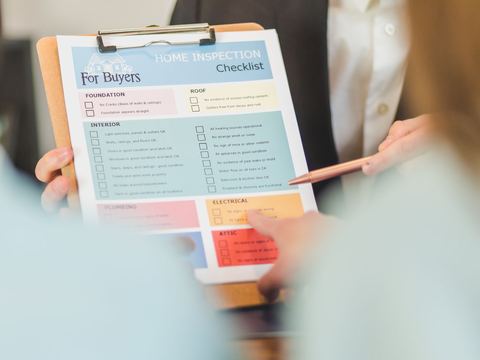
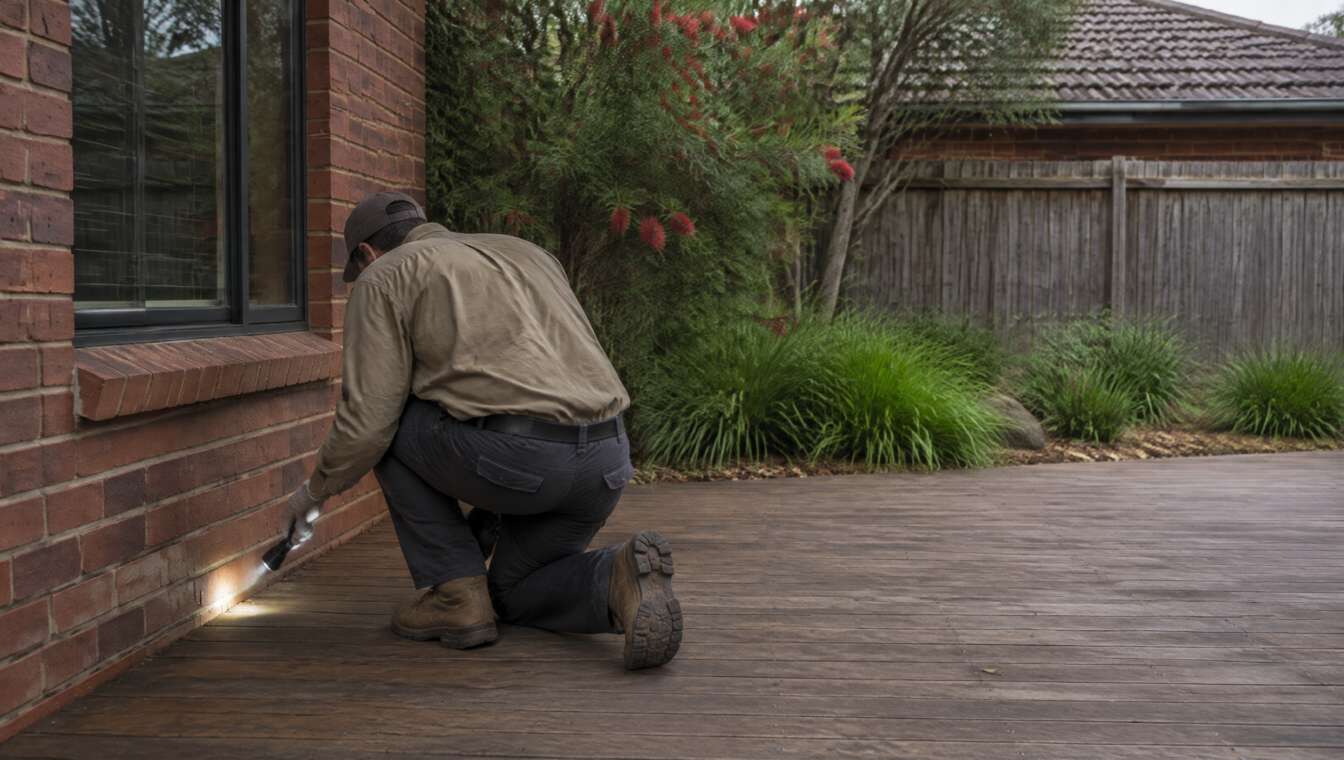
Forest Lake's termite story is the same as the rest of south-east Queensland's. CSIRO says the risk generally rises the further north you go on the mainland, and the QBCC advises an inspection and report every year. Keep garden beds clear of the walls, and leave any mud tubes alone.
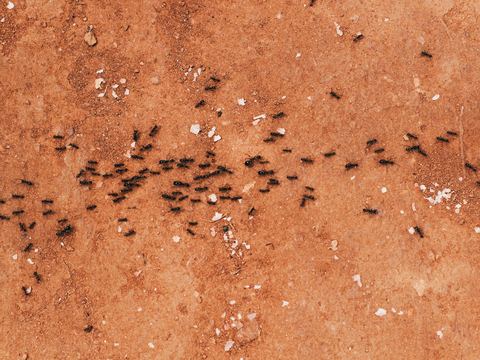
On the lawn, a nest of loose soil could be fire ants. Don't touch it. Report it to Biosecurity Queensland within 24 hours, which Queensland law requires, before you think about any pest business.
Around a Forest Lake house
- Tip out anything that catches water after rain.
- Mulch garden beds, which the council says can reduce myna nesting sites, and keep mulch away from the walls.
- Cover gaps in eaves and roofing, where mynas can nest.
- Take one photo of any bees from a good distance.

Our take for Forest Lake
Identify before you act, especially with bees. Take a photo from well back, and if you can't say what it is, tell us what you've seen. Most of what lands on a lakeside lawn doesn't need a treatment at all.
Want someone to look at it?
Tell us what you've seen and your postcode, and a local pest business that handles exactly that calls you to talk it through.