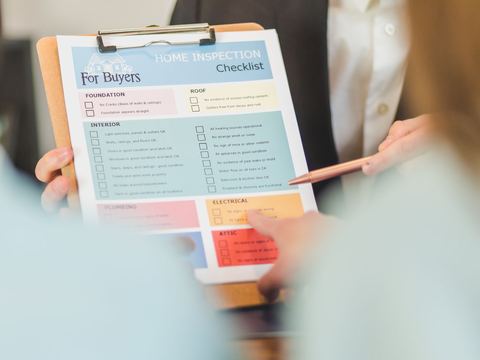
Who does which half
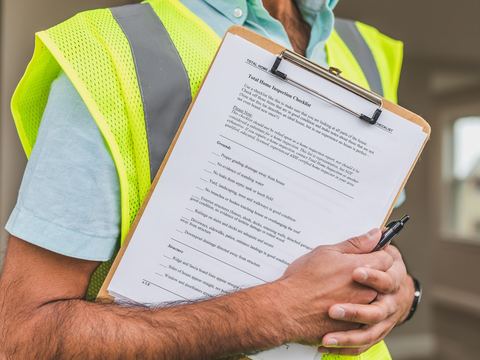
The QBCC says only a licensed residential building inspector can do a pre-purchase building inspection in Queensland, and only someone holding a pest controller's licence can do the termite inspection. It also says both can happen in one visit when the inspector holds both licences, and to check the licence before you hire anyone.
We match the timber pest half: termites, borers and the conditions that invite them. Structural defects, roofing, cracking and the rest of the building report belong to a building inspector, a different profession. Many buyers book both through one person who holds both licences; if that's what you want, ask before you book.
What a Brisbane timber pest report should look for
Two kinds of termite
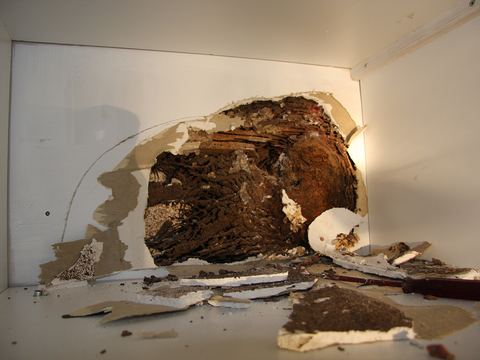
The report should cover subterranean termites and the West Indian drywood termite, both of which Business Queensland says occur throughout the state. Drywood termites leave gritty pellets rather than mud.
Borers in hardwood
Powderpost beetles are widespread in Queensland's subtropical climate and attack the sapwood of starchy hardwoods. The signs are round exit holes 1 to 2 mm across and small piles of fine, flour-like powder.
The termite notice
Newer houses should carry a durable notice, often in the meter box, naming the termite management system, its installation date and how often it should be inspected. Ask the inspector to note whether it's there and current.
Exotic termites
Suspected exotic Coptotermes termites must be reported to Biosecurity Queensland. An inspector who finds anything unusual should tell you, and the report should say so.
A good timber pest report includes
- Every area inspected, and every area that couldn't be reached, with the reason (locked, no access hatch, stored goods, low subfloor).
- Live termites, past termite damage and borer damage, each recorded separately.
- Conditions that attract termites: leaks, timber touching soil, garden beds or paving built up against the walls, poor subfloor airflow.
- Any termite management system, its notice and whether it looks maintained.
- Clear recommendations, including whether a further invasive inspection or treatment quote is advised.
Getting the most from the inspection
You can
- Ask the agent to make the roof space, subfloor, garage and sheds reachable on the day.
- Ask the seller for any termite treatment records or past inspection reports.
- Book it early in your contract's timeline, so there's room to act on the report.
- Read the areas not inspected section first, then the findings.
Leave to a pest business
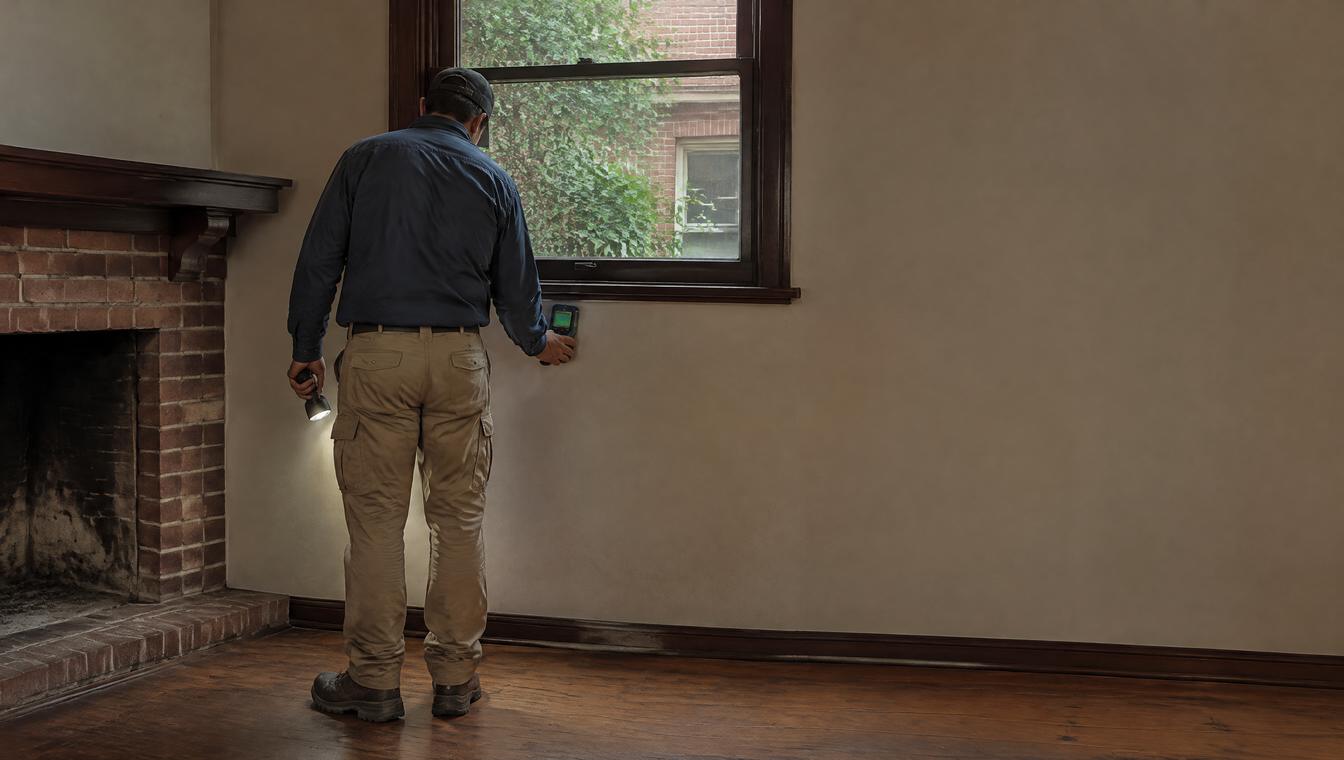
- The inspection itself, with moisture readings and tapping of timbers.
- Judging whether damage is old or active.
- Recommending treatment or a further inspection.
Before you book
- Do you hold a Queensland pest management licence with the timber pest endorsement, and what's the number?
- Can you also do the building inspection, and do you hold the QBCC licence for it?
- Will you check fences, retaining walls, sheds and trees on the block, or only the house?
- When will I have the written report, and can I call you to go through it?

Our take on building and pest inspections in Brisbane
Book the timber pest inspection as soon as the offer is accepted, and if you want one visit, ask for someone who holds both licences. When the report arrives, start with what couldn't be inspected: that's where the surprises usually hide.
Want someone to look at it?
Tell us what you've seen and your postcode, and a local pest business that handles exactly that calls you to talk it through.