How baiting works
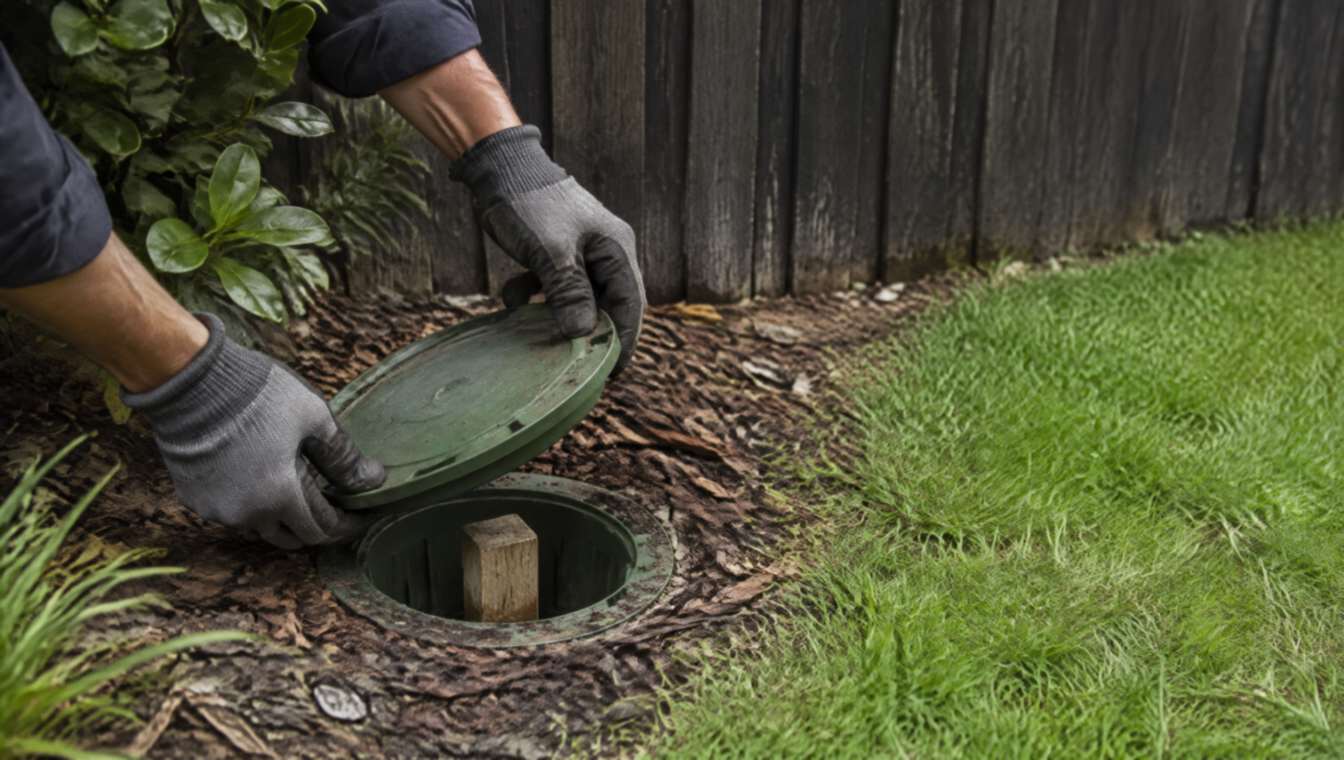
Bait stations are boxes set into the soil around the building, holding a food termites like, such as dry timber or paper. A technician checks them on a schedule to see whether termites have moved in.
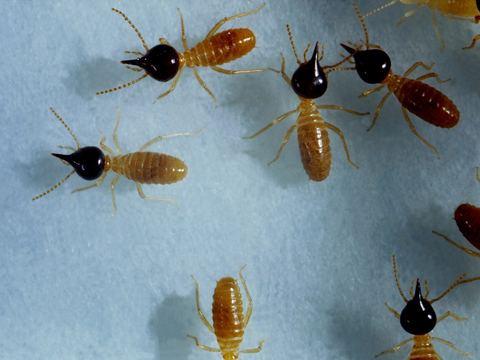
WA Building and Energy explains the next stage. Once termites are feeding at a station, a termiticide is added, and because termites constantly groom each other, the foragers pass it through the colony until it reaches the queen.
That's the appeal: baiting works on the colony without anyone having to find it first. That matters because, according to CSIRO, subterranean termites mostly forage within 30 m of home, sometimes travelling 100 m or more, so the nest may be under a tree, in a stump or over the back fence.
The catch is that it depends on termites finding the stations, and on someone checking them. WA Building and Energy says the stations need regular inspection to judge termite activity.
Baiting or a chemical soil barrier?
| Baiting system | Chemical soil barrier | |
|---|---|---|
| How it works | Termites feed at stations, then carry a termiticide home | A treated zone in the soil that termites meet on the way in |
| Aimed at | The colony | Termites crossing into the building |
| Disruption | Stations set into the ground around the house | On an existing house, possibly drilling through slabs, porches and floors |
| Needs | Enough open ground around the building for stations | Access to the soil along the walls and under hard surfaces |
| Ongoing visits | Regular station checks for as long as the program runs | Inspections, plus top-ups if the durable notice calls for them |
When baiting suits a house, and when it doesn't
Baiting is worth raising when termites are active but the nest can't be found, when drilling through slabs and porches isn't practical, or when you'd rather not have the soil along the whole house treated.
It's harder in built-up areas. WA Building and Energy says outside baiting isn't always possible, because the stations need room around the building. Narrow side passages and concrete to the boundary may rule it out.
It's also a commitment rather than a one-off visit. Stations sit idle until termites find them, so expect a series of checks, each one recorded.
Stations already in? Leave them to the technician
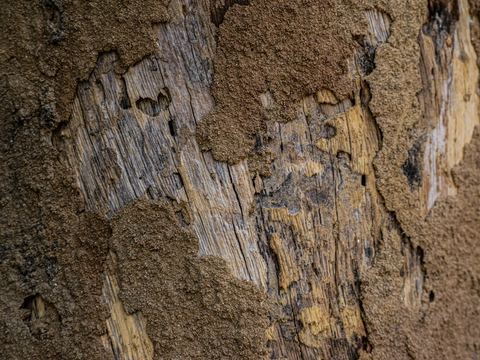
Don't open, shift or mow over bait stations, and don't disturb termites feeding in one or mud tubes on the house. If you notice activity, note the date and the station, and tell the business looking after them.
Bought a house with stations already in the garden? Find out who services them and when they were last checked, and ask for the records. If there's a durable termite notice in the meter box, it may name the system.
Licences and records
Adding a termiticide to a station is pesticide work, so each state's rules apply. In NSW, that's the timber pest management technician licence for anyone licensed or renewed after 17 December 2021; in Victoria, the general authorisation including timber pests; and in the ACT, the EPA requires specific training to use termiticides. Our state pages cover the rest.
Ask for a record at every visit: which stations were checked, what was found in each, and what product was added and where. You may see brand names such as Exterra or Trelona on a baiting quote; ask for the full product name of the bait itself as well.
Your side of a baiting program
You can
- Keep stations clear of mulch, pot plants and toys so they're easy to find and check.
- Write down where and when you see termites or fresh mud, and pass it on.
- Fix leaks and keep the edges of the house dry, since damp attracts termites.
- Keep every station check record in one folder.
Leave to a pest business
- Deciding where the stations go around your house.
- Checking stations and judging when to add bait.
- Handling and adding any termiticide.
- Judging when feeding has stopped, and what happens next.
Ask before you agree to baiting
- How many stations, where will they go, and how often will they be checked?
- Who does the checks, and will I get a written record each time?
- What's the bait product's full name?
- What happens once termites are found feeding, and how will you tell the colony has been affected?
- If termites are in the house now, what will you do inside while the stations work?
- When does the program end, and what's the plan after that?

Our take on termite baiting systems
Baiting suits some houses and not others, and the difference comes down to space, patience and how reliably the stations get checked. We'd ask for a written plan showing where the stations go, how often they're checked and what each visit records, then decide. Tap Termites and your postcode.
Want someone to look at it?
Tell us what you've seen and your postcode, and a local pest business that handles exactly that calls you to talk it through.