
Found something? Leave it alone
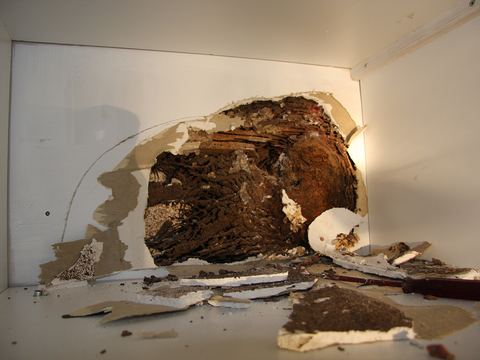
If you think you've found termites, don't break open the mud, spray them or pull out the damaged timber. CSIRO says several control options depend on finding the termites still active, so a disturbed nest can make the job harder. Take a photo from where you stand, then tap Termites with your postcode.
How Melbourne's termite rules work
Declared areas are a building rule
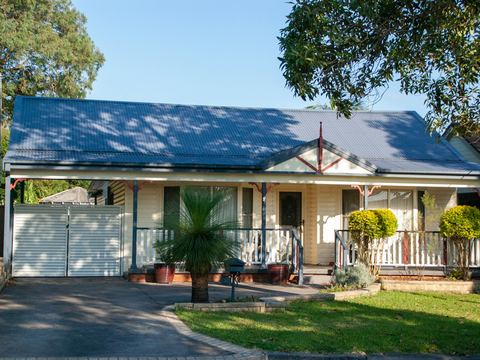
Victoria's Building Regulations 2018 let councils name areas where new building work must include termite protection. Glen Eira has declared its whole municipality, the Mornington Peninsula Shire is designated in full under Regulation 150, and Yarra Ranges is designated as an area where buildings are prone to termites.
Some councils draw the line by suburb
Hobsons Bay names Williamstown, Newport and Spotswood as its declared areas, and only parts of some of them are zoned. Which side of the line a house sits on tells you how it had to be built, not whether termites live nearby.
Not declared doesn't mean no termites
The City of Stonnington says its area isn't currently considered at risk, but that termites may still damage structures there. CSIRO describes some areas around Melbourne as low risk, and a note in the National Construction Code calls parts of Victoria a lesser risk. Lower risk is still risk.
Protection needs looking after
Mornington Peninsula Shire points out that termite protection only keeps working with ongoing maintenance. Garden beds built up over a barrier, or a new deck against the wall, can undo it.
What people actually notice first
Damaged wood, mostly. In a CSIRO survey of Australian homes from 1996 to 1998, 86% of households with termites found them through damaged timber, 34% through mud tubes and only 8% through wings. The survey wasn't a random sample, but the order is the useful part.
Termites eat timber from the inside and leave a thin outer skin, so a skirting board or door frame can look sound on the surface while the inside is hollow. Consumer Affairs Victoria adds blisters or bubbles in paintwork to the list. Mud tubes are thin tunnels of soil running up brickwork, stumps or concrete, which subterranean termites build to stay damp and out of the light.
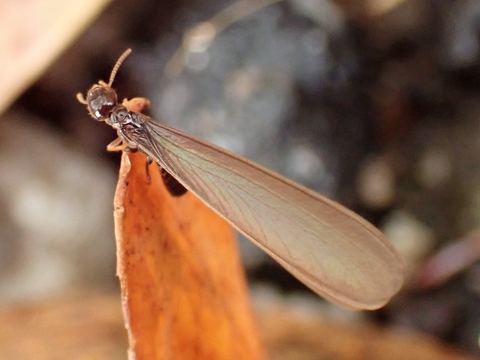
Winged termites fly on warm, humid evenings, usually in spring and autumn. A few on the windowsill means a colony is somewhere nearby; it doesn't tell you whether it's in your house. Our flying termites page shows how to tell them from flying ants.
What the job usually involves
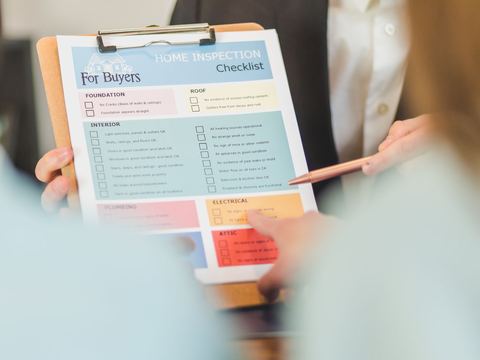
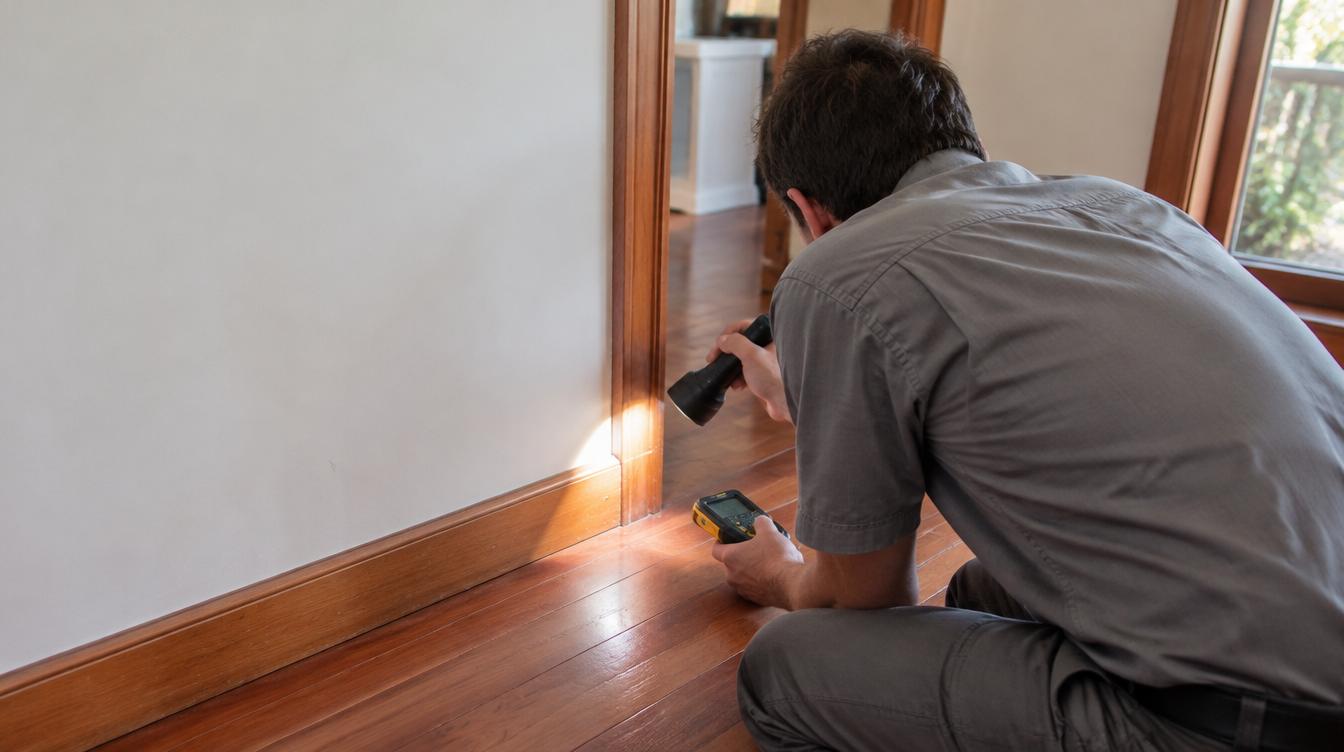
It starts with an inspection: the roof space, the subfloor (the space under a raised floor), the outside walls and the garden, looking for activity, damage and the damp or timber-to-soil contact that invites termites. You get a written report.
If termites are active, the usual options are treating the colony, then putting in or topping up a termite management system: a chemical or physical barrier that stops termites getting into the house unseen, or a ring of monitored bait stations. Newer homes should have a durable notice, often in the meter box, naming the system installed, when, and how often the installer recommends inspections. Ask the inspector to read it with you.
The licence Victoria asks for
Victoria licenses individual technicians, not businesses. For termites, the technician's licence needs the general authorisation including timber pests; the version that excludes timber pests doesn't cover termites at all. It's fair to ask to see the licence card before any treatment starts. Our Victoria page has more on the authorisations.
Your part, and the inspector's
You can
- Keep mulch and garden beds below the slab edge and clear of weep holes.
- Fix leaking taps, downpipes and hot water overflows near the walls, since damp ground draws termites.
- Keep firewood, old sleepers and building offcuts up on racks, well clear of the walls.
- Photograph anything odd from where you stand, and leave it as it is.
Leave to a pest business
- Inspecting the roof space and subfloor, and writing up what they find.
- Treating an active colony and installing or renewing a barrier or bait system.
- Telling you how often your house should be inspected, and why.
Worth asking before you agree to anything
- Does your licence carry the general authorisation including timber pests?
- Which areas couldn't you get into, and what would it take to inspect them?
- Is the activity current or old damage, and how can you tell?
- Which product or system do you recommend, what's its full name, and what upkeep does it need?
- What does any warranty cover, and can I have that in writing?

Where we'd start with termite inspections and treatment in Melbourne
We'd book an inspection first, before anyone talks treatment, and we'd do it whether or not the house is in a declared area. If the report finds live termites, ask for the options side by side and take a day to read them.
Want someone to look at it?
Tell us what you've seen and your postcode, and a local pest business that handles exactly that calls you to talk it through.