
Renting in Melbourne with fleas
Who's responsible
Consumer Affairs Victoria says a renter may be responsible for fleas from a pet they didn't treat, while a rental provider may be responsible where pests were already a problem when the renter moved in. The law doesn't always settle it, and either side can apply to VCAT if they can't agree.
No pet bonds
Victorian rental providers can't ask for an extra bond as a pet bond. Whether a flea treatment is needed when you leave depends on what your lease or pet agreement says, so read it before you book anything.
Moving into an empty place
Victoria's Department of Health says adult fleas can wait in their cocoons until they sense vibration, warmth, noise or carbon dioxide. That's why bites can start soon after you move into a house that has stood empty since the last tenants' pets left.
Is it fleas?
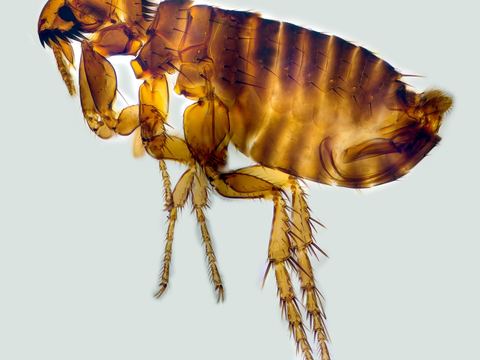
Adult fleas are tiny, brown, oval and wingless, 2 to 4 mm long, and they jump. Bites cluster on the legs and feet and come up as a very itchy red lump within about 30 minutes, sometimes blistering the next day.
To check a pet, part the fur around the ears and above the tail and look for fleas or tiny dark specks. Put a few specks on a damp white tissue: flea droppings leave a reddish ring. Outside, look where pets rest: under the house, in the shed, in the kennel.
Why the pet comes first
Pets are the main source, so treating them is essential to stop fleas returning, the department says. Australia's commonest flea is the cat flea, which happily bites dogs, rats and people as well. Talk to your vet about a product for each animal before or alongside any house treatment.
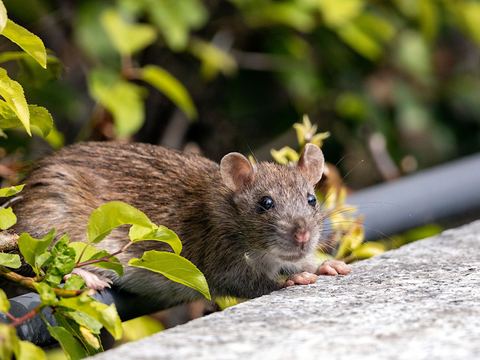
No pets? Rodents can bring fleas as well, so scratching in the ceiling and bites on your ankles may be one problem, not two. Our Melbourne rats and mice page covers that side.
What the job usually involves
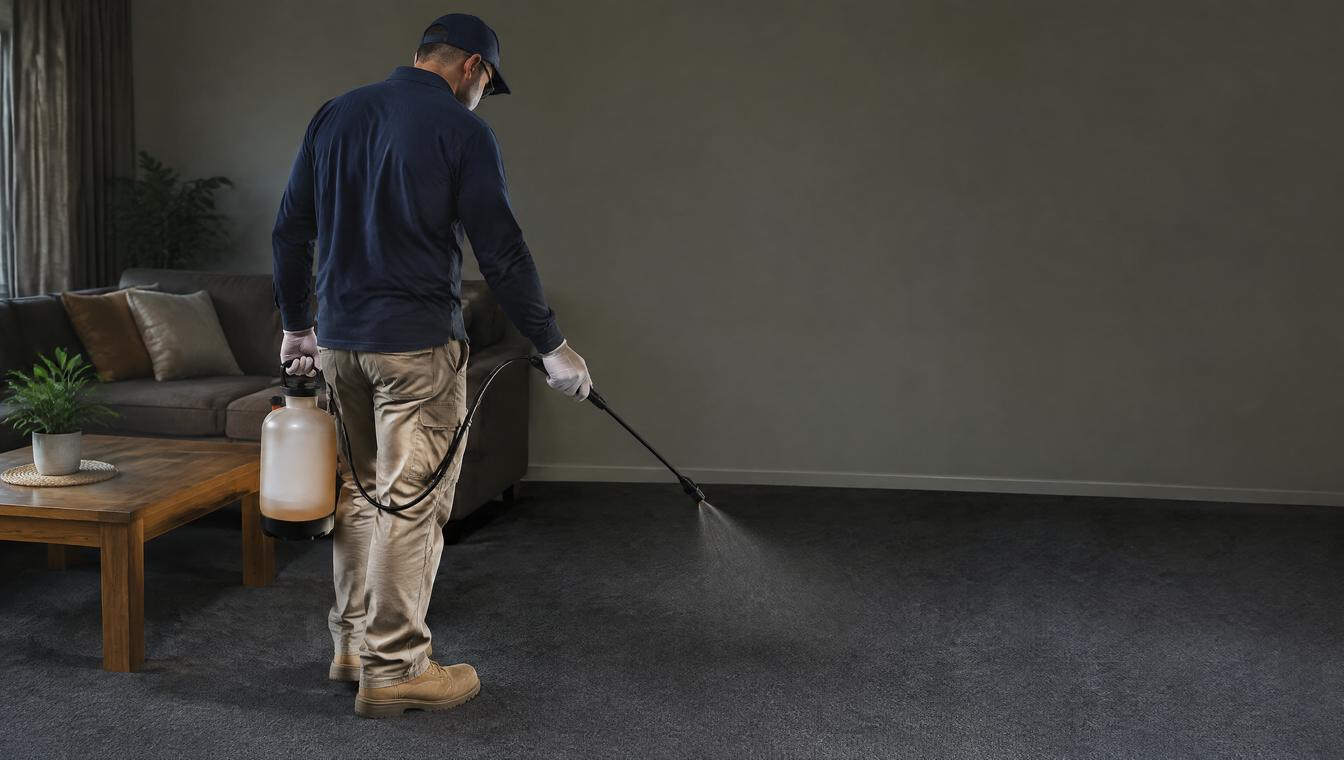
The technician treats floors, rugs and the places pets sleep, plus the subfloor or shed if pets go there. You may be asked to vacuum thoroughly first and to keep vacuuming afterwards, since vibration brings waiting fleas out of their cocoons.
A flea's life cycle takes anywhere from 2 weeks to 8 months, depending on warmth and humidity, and adults can live for months without a meal. Expect a follow-up, and possibly a few bites for a short while after the first visit.
Better Health Channel suggests moving pets out during the treatment and until it's dry, and staying out of the house while the product is applied and drying. Ask the technician how long that will be for your home.
What helps
You can
- Treat every cat and dog in the house through your vet, at the same time.
- Vacuum floors, rugs, couches and skirting edges, and bin the bag outside.
- Wash pet bedding hot, and your own if the pet sleeps on the bed.
- Keep pets out from under the house.
Leave to a pest business
- Treating floors, rugs and soft furnishings through the house.
- Subfloor, shed and kennel treatments.
- A written record of the product used, for your rental provider if you need one.
Questions worth asking
- What should we do before you arrive, and for how long afterwards?
- What's the full name of the product, and how long until we can go back in?
- Is a second visit included?
- Can I have a written record of the treatment for my rental provider?

If it were our place in Melbourne
We'd get every pet treated by the vet that week, vacuum hard, and then tap Fleas or end of lease for the house. Renting? Check the lease before paying for anything, and keep the paperwork.
Want someone to look at it?
Tell us what you've seen and your postcode, and a local pest business that handles exactly that calls you to talk it through.