
Living on the edge of the green wedge
Green wedge on three sides
Nillumbik's 2020 draft structure plan puts the Diamond Creek town centre at Melbourne's fringe, encircled by green wedge (the non urban land around the city) to the north, east and south. The creek forms a green corridor through the middle, and the Diamond Creek Trail winds through the reserve towards Wattle Glen and Eltham. Wildlife doesn't have far to travel to reach your back fence.
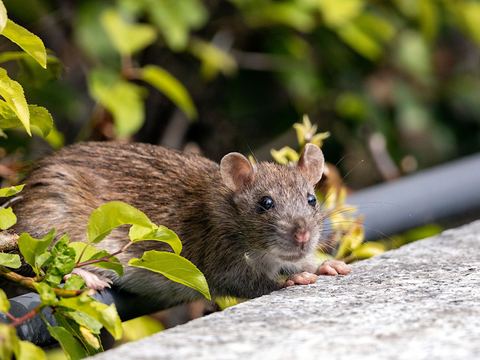
Rats, and the natives that get mistaken for them
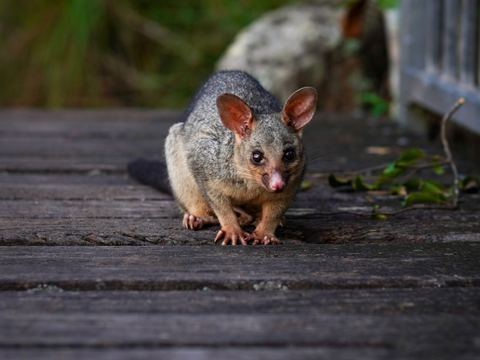
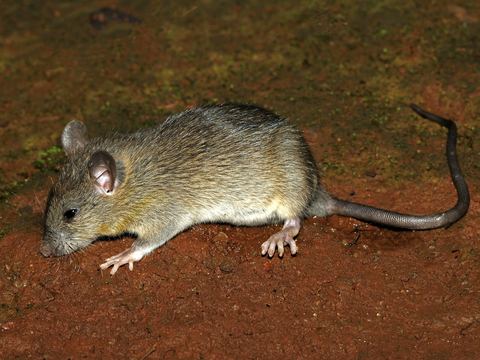
Nillumbik says native bush rats and the agile antechinus, a small marsupial, live in the shire and are easily mistaken for introduced rats. They must not be poisoned, so get a clear look or a photo before anything else happens.
Winter is when rodents come in
The council says mice and rats tend to move indoors for food and shelter, particularly during winter, and nest within floors, behind walls and between partitions. Scratching in a wall on a cold night fits that pattern.
Mynas in the gutters
Nillumbik says Indian mynas block downpipes and roof gutters with their nests and push native animals out of tree hollows. A gutter stuffed with nesting material is worth a look before the next big rain.
Wasps and bees around the yard
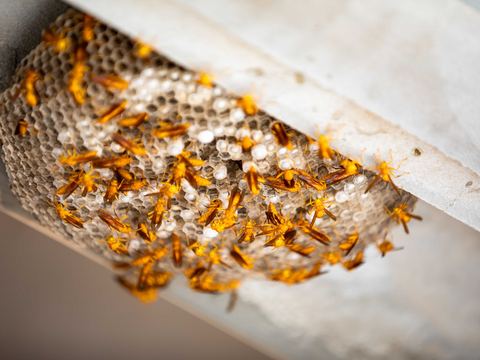
For a European wasp nest on your own land, Nillumbik recommends a qualified pest controller. If the nest is next door, talk to your neighbour first. A nest on council land goes to the council's customer service team, with a note of exactly where it is.
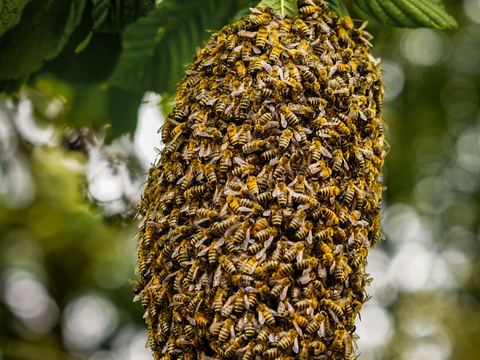
Honey bees are a different call. The council says a local beekeeper can take a nest away, and that you shouldn't try to shift a hive or swarm yourself, not even with a hose. Our Melbourne bees page explains when it becomes a pest business's job.
Termite treatment in Diamond Creek
We haven't confirmed whether Nillumbik has declared any termite area, and a declaration would only be a building rule, never a map of where termites live. So treat termites as possible here and learn the signs. In a CSIRO survey run from 1996 to 1998, 86% of properties with termites noticed them by damaged wood and 34% by mud tubes.
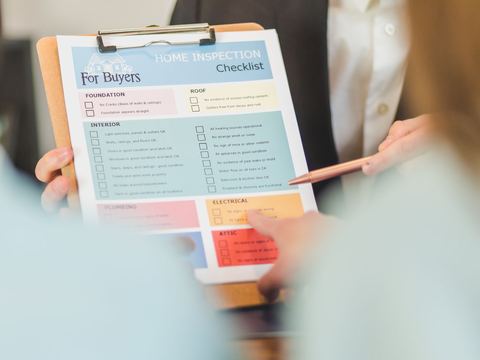
If you find either, don't break the mud or pull at the timber, because several control options depend on finding termites still active. Take a photo and leave it be. Termite treatment starts with an inspection, and in Victoria the technician needs the general authorisation that includes timber pests, so ask about it.
Yours, and the pest business's
You can
- Photograph droppings or gnawed food from where you stand, so someone can tell a native from a pest.
- Keep pet food in sealed tubs and the compost covered.
- Stack firewood off the ground and away from the walls.
- Keep gutters clear, or get someone in to do it.
Leave to a pest business
- Working out what's in the wall or roof, and what can lawfully be done about it.
- Treating a wasp nest, with everyone kept well back.
- Inspecting for termites and writing up what they found.

Where we'd start with pests in Diamond Creek
Find out what it is before you buy anything. A photo of the animal or its droppings settles a lot, and bait put down on a guess can reach the natives Nillumbik asks you to leave alone. Once you know, tap it with your postcode and a local pest business can take it from there.
Want someone to look at it?
Tell us what you've seen and your postcode, and a local pest business that handles exactly that calls you to talk it through.