If a child or a pet gets into bait
If a child may have eaten rodent bait, call the Poisons Information Centre on 13 11 26 straight away, even if they seem fine. For a pet, ring your vet now. If anyone collapses or struggles to breathe, call 000.
Rats and mice in Melbourne
Roof rats like cities and coasts
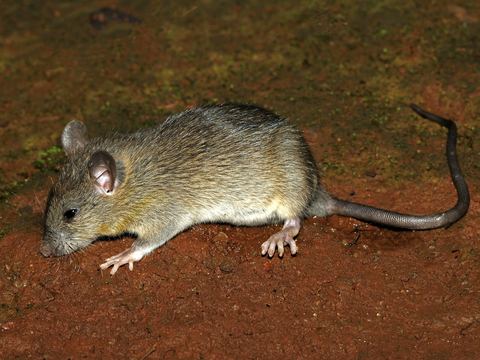
Victoria's Department of Health says the roof rat nests in buildings and roof voids, in built-up areas or near the coast. Melbourne is both, so the ceiling is the first place to listen.
Mice move in as it cools
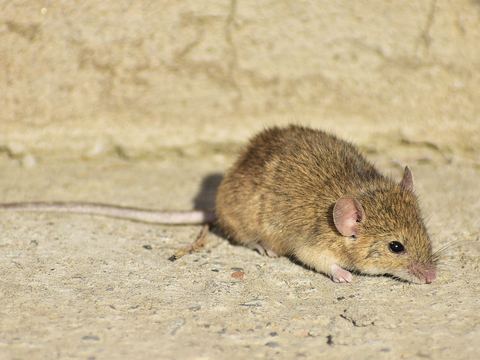
CSIRO says cooler weather sends mice looking for shelter in homes, so autumn is when the pantry starts showing nibbled packets and the skirting boards grow tiny holes.
Renting: who fixes it depends on the cause
Consumer Affairs Victoria says the law doesn't always settle who pays. A renter may be responsible if rubbish drew the mice in; a rental provider may be if the pests were there at move-in or a gap in the building let them in. Rental providers must also supply vermin proof bins. If you can't agree, either side can apply to VCAT.
Roof rat, Norway rat or house mouse?
| Roof rat | Norway rat | House mouse | |
|---|---|---|---|
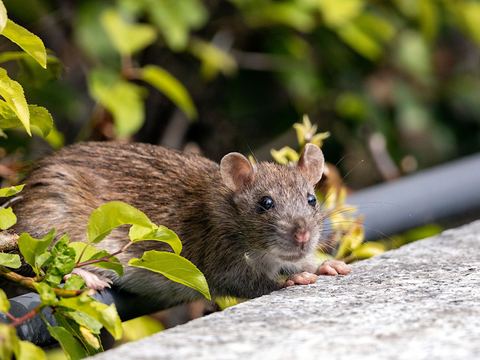
| Look | Slender, pointed nose, large thin ears | Heavier, blunt nose, short thick ears | Small, pointed nose, large hairy ears, pink feet |
| Droppings | Spindle shaped | Banana or sausage shaped | Small, spindle or irregular |
| Where it lives | Roof voids, wall cavities, trees | Burrows under bushes, along walls and in drains | Inside walls, cupboards and stored goods |
| Holes | About 80 mm across, often leading to a nest | About 80 mm across, often leading to a nest | Gnawed holes up to 20 mm wide |
Why it's worth sorting
Rodents chew. Wiring, timber and food containers all get gnawed, partly to reach food and partly to keep their teeth worn down. NSW Health also warns that rat and mouse urine can carry leptospirosis, which can get in through cuts, so clean up droppings with gloves on and a disinfectant, not a broom and bare hands.
Numbers build quickly. Victoria's Department of Health says house mice are mature at about six weeks and can have six to ten litters a year, so a couple in October can be a colony by winter.
What the job usually involves
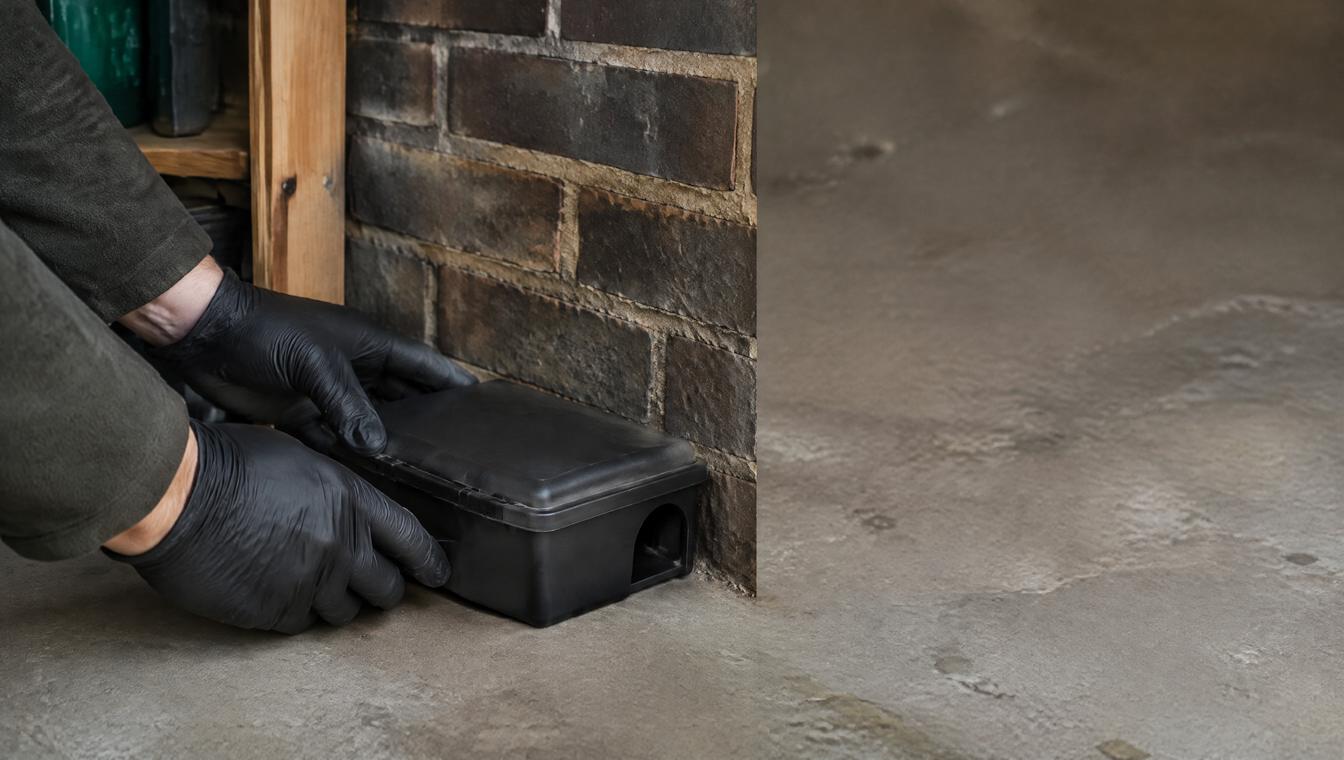
The technician looks for the way in first: gaps under the eaves, around pipes and vents, and where branches touch the roof. Then they place bait stations (locked boxes that hold rodent bait, so children and pets can't reach it) or traps where the runs are, and come back to check what's been taken.
Proofing is the part that stops a repeat: closing the gaps once the activity has dropped. Ask whether it's included or quoted separately, and who'll check the roof space afterwards.
What helps, and what to hand over
You can
- Move pantry food into sealed hard containers and keep pet food off the floor overnight.
- Clear the cardboard, paper and rags rodents shred for nests, especially in the garage.
- Keep bin lids shut and compost covered.
- Trim branches and creepers back from the roofline.
- Note where you hear them and when, and photograph droppings beside a coin for scale.
Leave to a pest business
- Going into the roof space, where footing and wiring make it risky.
- Placing bait in locked stations and tracking what's eaten.
- Finding and closing entry points at height.
Before the technician starts
- Which product goes in the stations, and what's its full name?
- Where will the stations sit, and are they out of reach of kids and pets?
- How many visits do you expect, and what tells you it's finished?
- Is proofing the entry points part of this job?

Where we'd start with rodent control in Melbourne
Clean up the food and nesting material first, photograph the droppings, and then tap Rats or mice. If you rent, send your rental provider the photos the same day, so the question of who pays starts early.
Want someone to look at it?
Tell us what you've seen and your postcode, and a local pest business that handles exactly that calls you to talk it through.