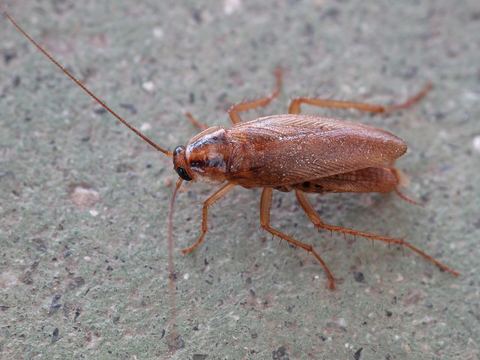
Cockroaches in a cooler city
Several kinds are common here
Victoria's Department of Health says several cockroach species are common in Victoria. The two that matter most indoors are the small German cockroach and the large American cockroach.
Big ones move indoors where it's cool
The department says American cockroaches live indoors in cooler regions and outdoors in warm ones. In Melbourne that tends to mean roof spaces, wall cavities, subfloors, sewers and grease traps rather than the living areas.
The damp lovers
Oriental cockroaches, 20 to 25 mm and dark brown to black, prefer cool, damp places at or below ground level: leaf litter, damp subfloors and drains. If you're finding them near a floor waste or the laundry, look for moisture first.
Renting in Victoria
Consumer Affairs Victoria says a renter may be responsible where rubbish attracted the cockroaches, and the rental provider where they were already a problem when you moved in. Photograph what you find in the first week of a new lease.
German or American cockroach?
| German cockroach | American cockroach | |
|---|---|---|
| Size | 12 to 15 mm when grown | 35 to 40 mm, the largest common pest cockroach |
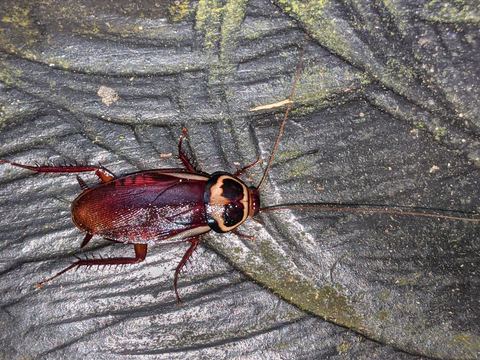
| Colour | Amber, two dark stripes running lengthways | Reddish brown, pale yellow edge around the top of the thorax |
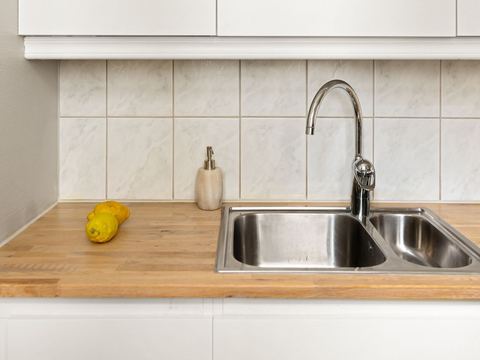
| Where you see it | Kitchens, under sinks, in cupboards, drawers and appliances, near warm spots | Roof, wall and subfloor spaces, around sewers, grease traps and rubbish |
| How it arrives | Stowed away in cardboard boxes or crates of food and drink | Comes up from drains and in from outside |
| The job | Inside the kitchen, with follow-ups | Roof void, subfloor and entry points |
Signs it's bigger than it looks
Cockroaches out and about in daylight often point to a big population, Victoria's Department of Health says. The other signs are droppings, dark smears where they gather, shed skins and empty egg cases.
German cockroaches breed fast. The Australian Museum says the female carries an egg case holding 30 to 48 eggs, and one female can produce up to 20,000 young in a year. The museum ranks it as the toughest pest cockroach to control, so plan on more than one visit.
What the job usually involves
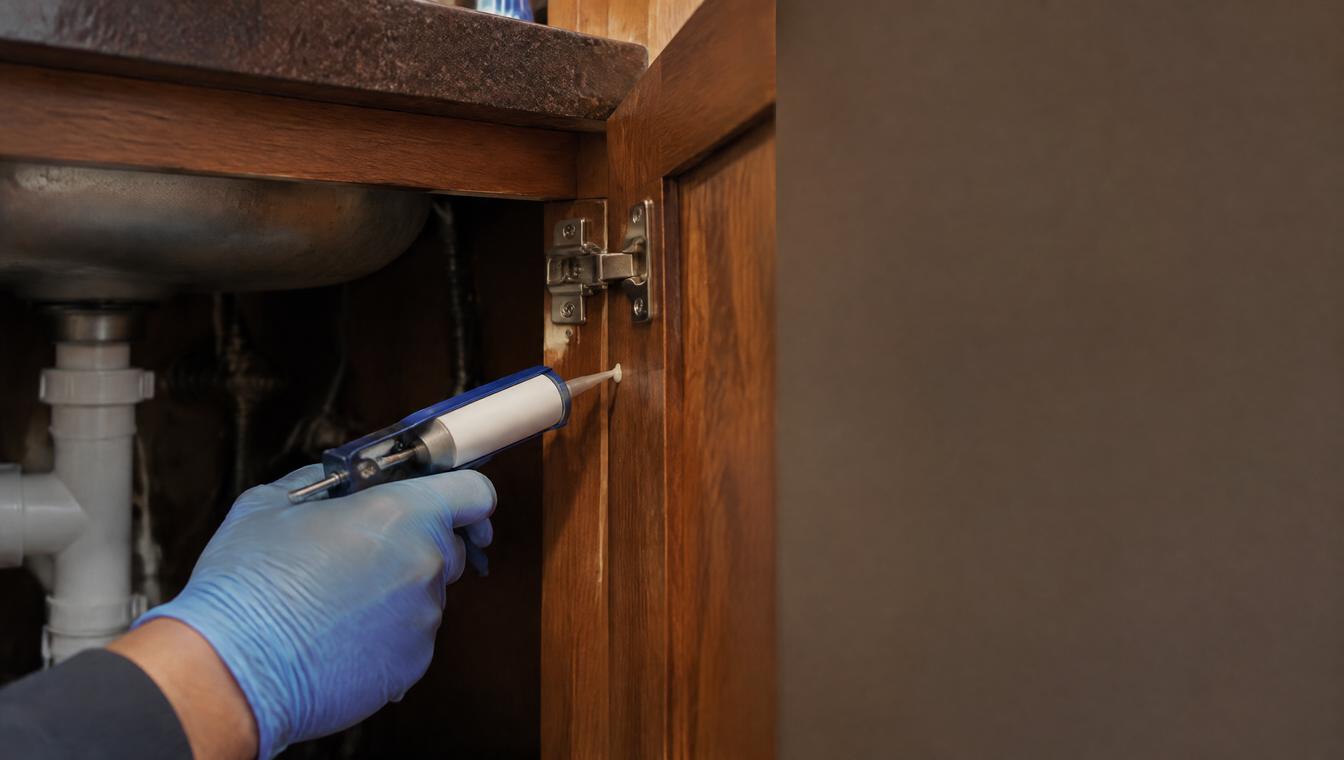
For German cockroaches, the technician puts baits and treatments where they shelter: hinges, behind the fridge and dishwasher, inside cupboard frames and around the stove. A return visit deals with the young that hatch after the first round.
For the big ones, the work moves outward: the roof void, subfloor, drains and the gaps they use to get in. Expect to be asked to clear under the sink and empty a few cupboards beforehand.
What you can do
You can
- Clean grease from behind the stove, the rangehood and the toaster.
- Keep food sealed and dishes washed overnight; German cockroaches favour starchy foods.
- Fix dripping taps and dry the sink before bed.
- Unpack cardboard deliveries outside and get the boxes out of the house.
- Seal gaps around pipes under sinks.
Leave to a pest business
- Treating inside appliances, wall voids and cupboard frames.
- Roof void and subfloor treatments for the large species.
- Follow-up visits until the population drops.
Before you book
- Which species is this, and how does that change your plan?
- Which products will you use, by full name, and where?
- How many visits should we expect, and how far apart?
- What do we need to empty or clean before you arrive?

Where we'd start with cockroach control in Melbourne
One big cockroach after a warm night is worth a look at the drains and door seals. Small ones in the kitchen, especially in daylight, we'd hand to a pest business quickly: tap Cockroaches with your postcode.
Want someone to look at it?
Tell us what you've seen and your postcode, and a local pest business that handles exactly that calls you to talk it through.