
What the valley means for pests
Mostly country
Yarra Ranges Council covers approximately 2,500 square kilometres, and around 70% of its people live on just 3% of that land. The rest runs through foothills, agricultural valleys and native vegetation, so a property here can have a lot more shed, fence line and bush than a suburban block.
Towns inside a wine district
The council describes Healesville and Yarra Glen as rural residential communities within the Yarra Valley wine district. The rules below are Yarra Ranges Council's, so if your rates notice comes from another council, check with them.
Termites and building work
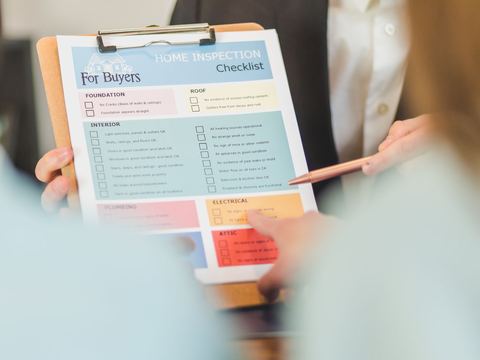
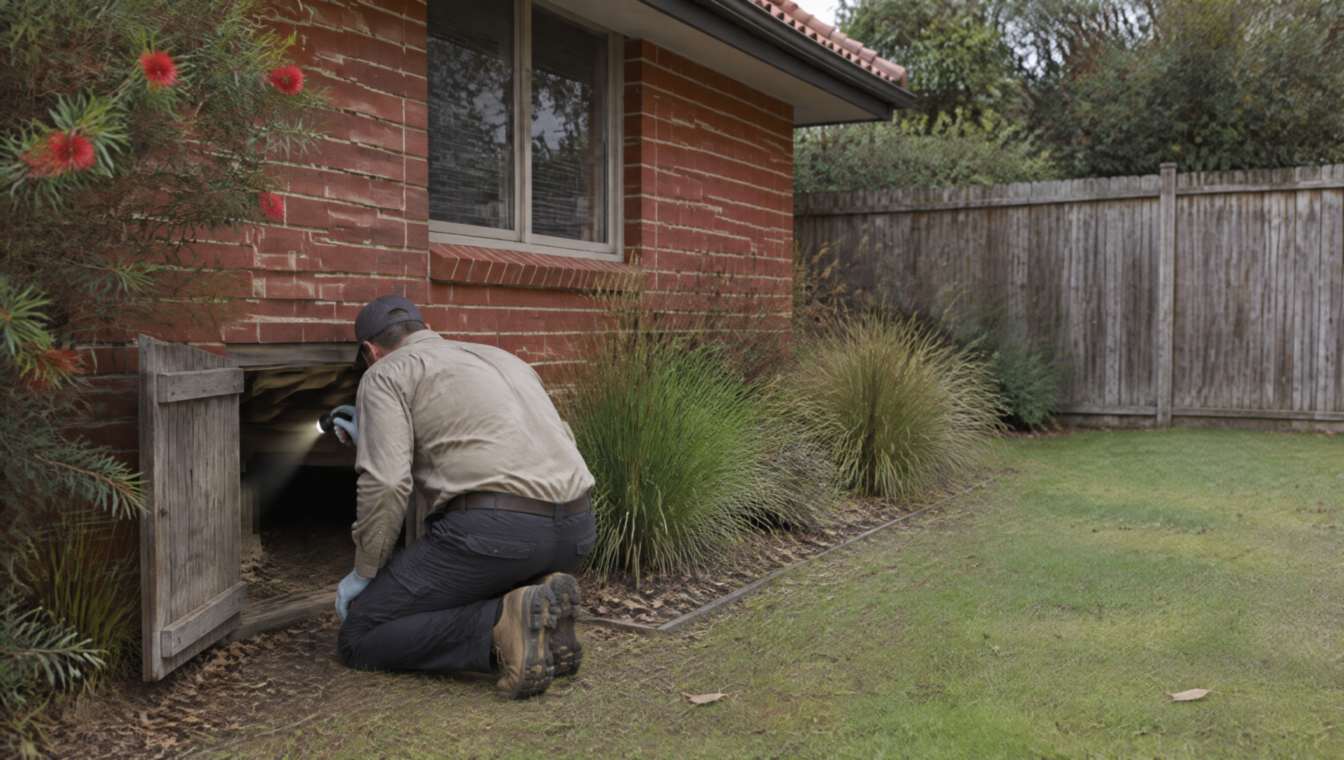
Yarra Ranges says the whole municipality is designated as prone to termites, and all building work must be protected against them, garages, carports and non habitable outbuildings aside. That covers new work. For a home that's already there, a termite inspection is how you find out where you stand.
Wasps and fruit
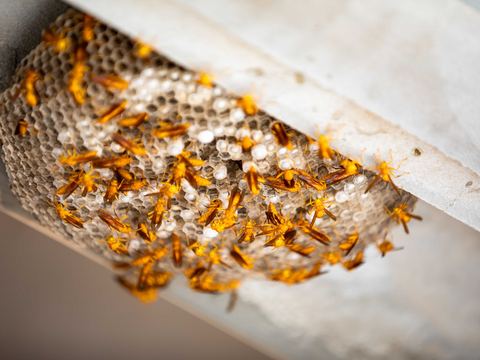
The council calls European wasps an introduced pest that damages crops and disrupts ecosystems. They're scavengers, so its advice is plain: pick up fallen fruit, don't leave food or open drinks outdoors, and feed pets inside.
Who to call out here
| Who | Why | |
|---|---|---|
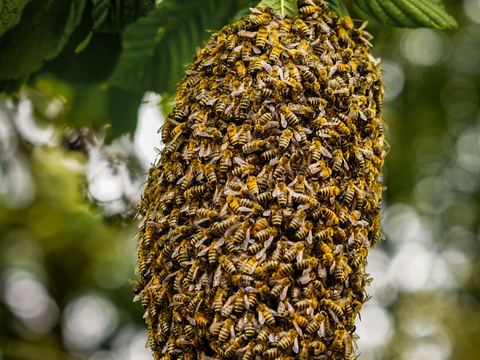
| Bee swarm | A beekeeper | The council says a competent beekeeper can almost always collect a swarm alive, and the Yarra Valley bee group has members trained in it. |
| Wasp nest on your land | A pest business | Wasps can sting repeatedly, especially if the nest is disturbed, so the council says to call a professional. |
| Wasp nest on council land | The council | It treats nests it can find that aren't too high off the ground, so give the exact spot. |
| Snake near the house | A licensed snake handler | Snakes are protected under the Wildlife Act 1975. Keep kids and pets back, and call 000 for a bite. |
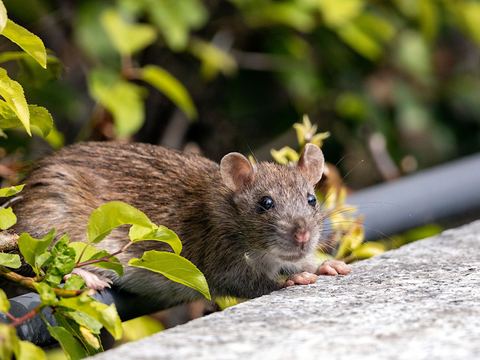
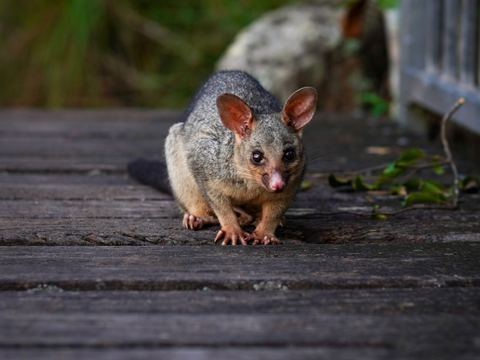
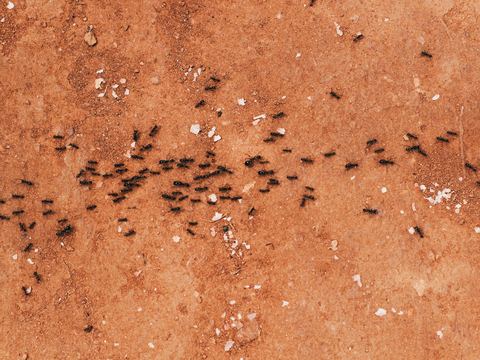
| Rodents in the shed | A pest business | Check what they are first, because the valley has native rodents too. |
Sheds, barns and what lives in them
Yarra Ranges says rats turn up in sheds, piles of scrap materials and compost heaps, which on a rural block is a lot of places to check. It also warns that rodent poison can cause secondary poisoning, with Powerful Owls and Tawny Frogmouths eating poisoned rodents. So ask which product a pest business plans to use, how it will be secured, and how they'll deal with what's left.
Snakes are generally more active from October to April. Keep long grass and rubbish away from the house during those months, and treat a snake as something to step back from.
Termite inspection in the Yarra Valley
Look at timber that touches the ground: stumps, decks, retaining walls and old fence posts. Mud tubes and timber that sounds hollow are the signs to act on. Don't break them open or spray them. Note where they are, and let the inspector see them undisturbed. Our Melbourne termite page explains the Victorian licence rules for this work.

What we'd do on a valley block
Start with the house, not the paddock. Book a termite inspection if it's been a while, keep fallen fruit picked up through summer, and check what's in the shed before putting anything down. Then tell us what you've found and your postcode.
Want someone to look at it?
Tell us what you've seen and your postcode, and a local pest business that handles exactly that calls you to talk it through.