


Summer bites and stings
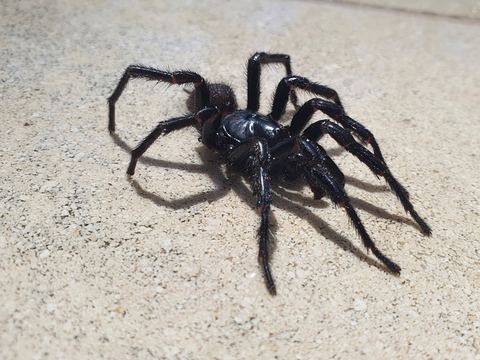
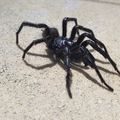
healthdirect says to treat a bite from any big black spider as a medical emergency: call 000 and ask for an ambulance. After a bee or wasp sting, call 000 for noisy breathing, a swollen tongue or throat, a wheeze, dizziness or collapse. For first aid advice on other bites, the Poisons Information Centre is on 13 11 26.
When is termite season?
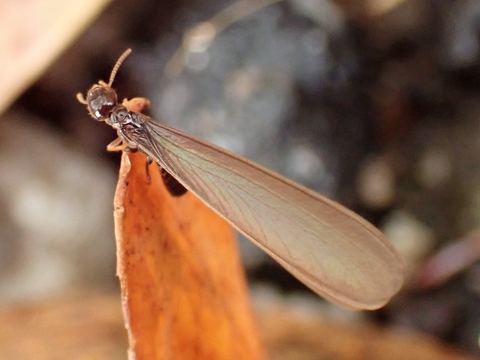
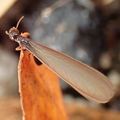
The Australian Museum says termite flights happen in warm, humid weather and usually take place in spring and autumn. CSIRO adds that winged termites may swarm out of the nest during humid spells in the warmer months, often at dusk, to start new colonies.
Flights are the visible part, but they aren't how most people find termites. In a CSIRO survey of homes with termites, 8% of owners noticed wings, against 86% who noticed damaged wood and 34% mud tubes. So a termite inspection is worth booking in any month.
Risk also changes with latitude: CSIRO says it generally rises the further north you go on the mainland, peaking in the subtropics and tropics, where the giant northern termite is found above the Tropic of Capricorn.
Spring: September to November
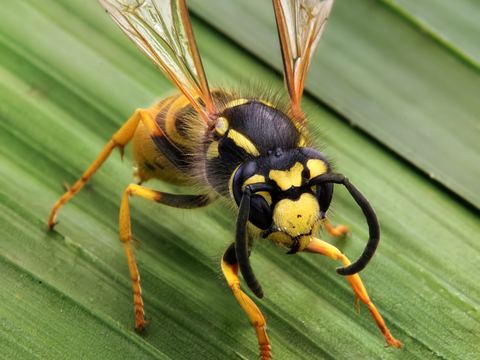
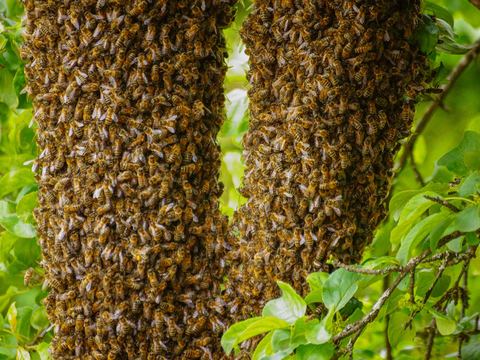
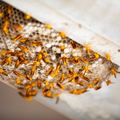
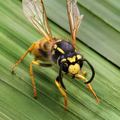
European wasps start again. A single queen founds each colony in spring, says the Australian Museum; in Victoria, the Department of Health says she has spent the winter hibernating. Bee swarms naturally occur in spring to early summer in Queensland, according to Business Queensland; we haven't found an official swarm season for other states.
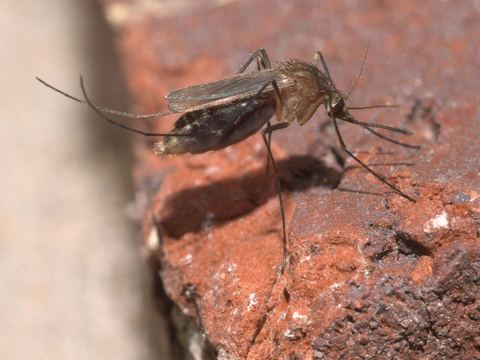
Along the east coast, NSW Health Pathology says the paralysis tick is most likely to be met in its most dangerous adult form from September to December. Common mynas on the east and south-east coasts breed from October to March, and the Australian Museum says they favour the walls and ceilings of buildings for nests. In NSW and Victoria, mosquito surveillance trapping begins in November.
Summer: December to February
Redback bites happen frequently over the summer months, the Australian Museum says, as people garden and move things that have sat still. Around Sydney, male funnel-webs leave their burrows mostly over summer and autumn to find females, and sometimes end up in backyards, pools or houses.
White-tailed spiders are often seen in and around houses through summer and autumn. In Tasmania, European wasp colonies reach full size towards the end of summer. In WA, the state agriculture department (DPIRD) says European wasps are easiest to detect between December and May, and asks people to report them rather than treat them.
Autumn: March to May
This is peak European wasp season in the south. Late in the season, Victoria's Department of Health says, workers rear several hundred new queens and males; Biosecurity Tasmania says the wasps are most troublesome in autumn, and in February 2021 the ACT Government said the peak continues until May.
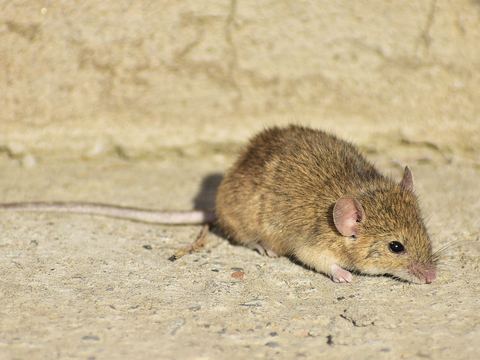
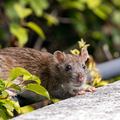
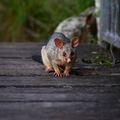
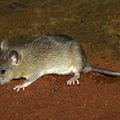
Mice start looking for shelter: CSIRO says cooler weather encourages them inside homes, which is why scratching in the ceiling often begins now. Termites can fly again in humid autumn weather. In Queensland, most Ross River virus cases occur between February and May, and the paralysis tick's larvae are most active in autumn on the east coast.
Winter: June to August
Quieter, not empty. Redbacks are less common in winter. In Victoria, European wasp males die off and the new queens hibernate until spring, although Biosecurity Tasmania says some nests are kept going through winter and grow further the next season.
Paralysis tick nymphs are most active in winter on the east coast. And mice that came in during autumn are still in the roof: winter is a good time to have the gaps around the house closed before spring.
The tropical north runs on wet and dry
Months matter less than seasons up north. The Queensland Government says Ross River virus is most common in northern and central Queensland, with cases all year round. In the NT, NT Health says salt marsh mosquito activity is usually high in the late dry and early wet season, for one to two weeks after the month's highest tides or appreciable rain.
In the northern half of WA, HealthyWA says Ross River and Barmah Forest virus risk is generally higher during and just after the wet season, roughly December to June. These are public health matters, so the state health department is the place for advice on them, not a pest business.
A small job for each season
- Spring: empty pot plant bases, buckets, toys and bird baths, and clear blocked gutters, all places NSW Health says mosquitoes breed.
- Summer: wear gloves to move pots, timber and anything stacked outside, and check the shed before you reach in.
- Autumn: walk around the house looking for gaps at the eaves, vents and pipes before mice move in.
- Winter: if the yearly termite inspection is due, book it for a quieter month instead of waiting for spring flights.

Our take on the pest seasons
We'd book the yearly termite inspection for a quiet month rather than wait for a swarm, close the gaps around the house before autumn, and leave any wasp nest alone whatever the season: tap A wasp nest, or in WA report European wasps to DPIRD.
Want someone to look at it?
Tell us what you've seen and your postcode, and a local pest business that handles exactly that calls you to talk it through.