
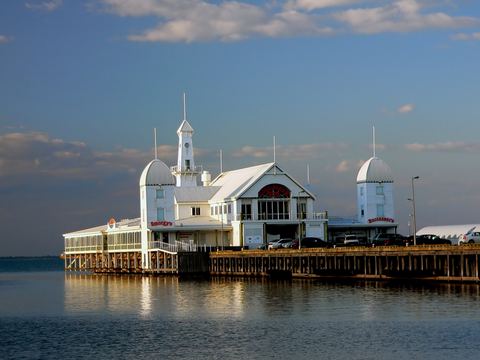
Geelong, Victoria
Pest control in Geelong
Your yard is yours to sort. Here's what's local.
In Greater Geelong a pest on your own property is yours to deal with, and most calls are about termites, possums, wasps, bees and rodents around the house.
- Matched to what you've seen
- Only one local pest business gets your number.
- Where the job needs a pest licence, we check it on the state register, including the termite category for termite jobs.
Matched to what you've seen
Before a pest business can take jobs from Which Pest, we record the jobs it handles, so a termite job never goes to a business that only sprays for spiders.
Only one local pest business gets your number.
We pass your contact details to one local pest business so it can contact you about this job, and nobody else gets them.
The licence rules where you live
Where the job needs a pest licence, we check it on the state register, including the termite category for termite jobs. Pest licence rules in Victoria
Pest control in Geelong: what to know before anyone calls
On this page
What's different around Geelong
Private land is the owner's job
The City of Greater Geelong doesn't remove pests from private land; owners and occupiers do. It deals with pest problems on land it manages, and puts wasp and bee nests in parks, footpaths and other public open spaces first.
The Barwon River tracks
The council says bee and wasp nests turn up often along the Barwon River walking tracks. North of Queens Park Bridge they're the council's to deal with; south of it, the Corangamite Catchment Management Authority's.
A long mosquito season
Geelong's mosquito program runs from August to April, with little monitoring or treatment over winter, and the council names Ross River virus as the most common mosquito-borne disease in Victoria.
Buruli ulcer is a health question
The Better Health Channel lists Belmont, Highton, Newtown, Wandana Heights, Grovedale, Marshall and the Bellarine Peninsula among places where Buruli ulcer is being identified, and says its list may not be complete. It notes growing evidence that mosquitoes and possums play a part, though nobody yet knows exactly how people catch it. Ask your GP and read the health advice; we'd never suggest a pest treatment protects you from it.
The jobs Geelong asks about
Termites come first: an inspection on a house you live in, or a timber pest inspection before you buy. Our Geelong termite page covers the signs and what to ask.
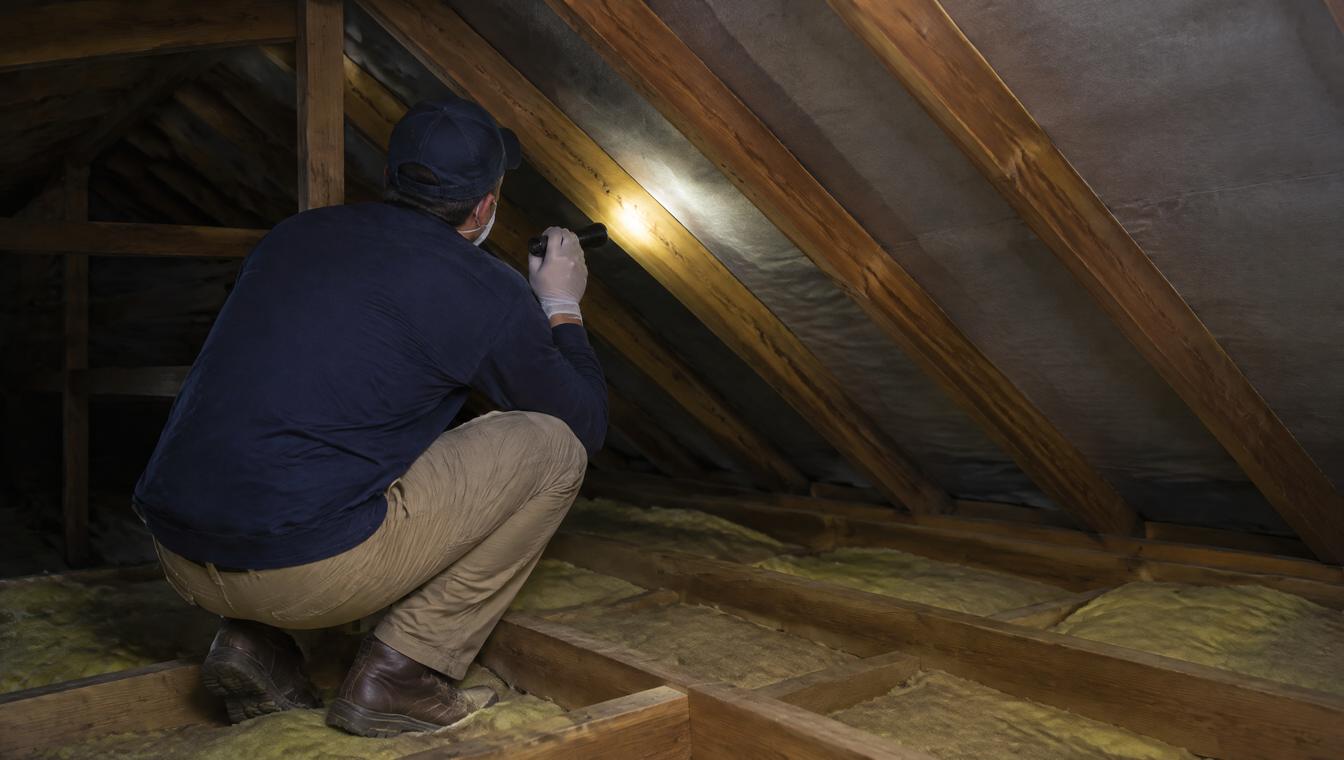
Then the roof space. Thumping overhead at night is usually a possum, and possums are protected wildlife in Victoria, so the answer is proofing, not a trap. Our possums in Geelong page walks through it. Scratching that starts when the weather cools is more often mice: CSIRO says cooler weather sends them looking for shelter indoors.
Bees moving in and out of a gap in the wall, and wasps around the yard, round out the list. A swarm hanging on a branch is a different story; our Geelong bees page explains who to call for each.
Wasps: look down before you look up
Victoria's Department of Health says about 80% of European wasp nests are underground, and most of the others are tucked inside buildings. If wasps keep landing near the back step, watch from a distance for one spot in the lawn or a gap in the wall they keep flying into.
A nest on your property is yours to have treated. Keep children and pets away from it, and if anyone stung has trouble breathing or a swelling face or throat, call 000.
Small things that help on a Geelong block
- Pick up fallen fruit: the council calls it a major food source for bees, wasps, mice and rats.
- Tip out water sitting in pot bases, buckets and blocked gutters between August and April.
- Keep firewood and timber offcuts off the ground and away from the walls.
- Found a beehive in a park or reserve? The council asks you to call it between 8am and 5pm.

Where we'd start with pests in Geelong
If you've just moved in, or it's been a few years, we'd get a termite inspection on the calendar before anything else shows up. Then deal with whatever you can see or hear: tap it and add your postcode.
Want someone to look at it?
Tell us what you've seen and your postcode, and a local pest business that handles exactly that calls you to talk it through.
By pest
Pest control services in Geelong
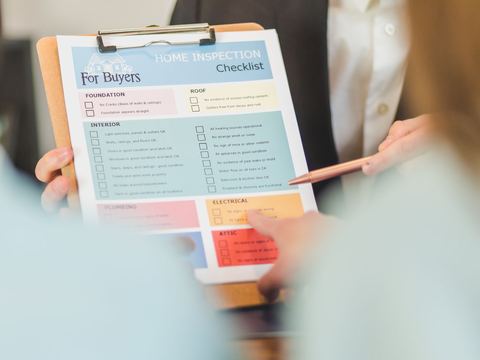 Pre-purchase pest inspections in GeelongThe timber pest half of a Geelong building and pest report: what it checks and what you inherit.Read it
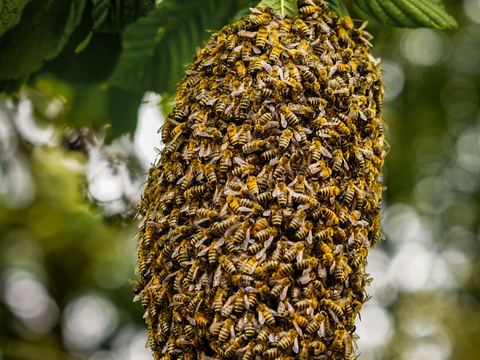 Bee removal in GeelongBees in a Geelong wall, park or river track: who handles which, and when to call a beekeeper.Read it
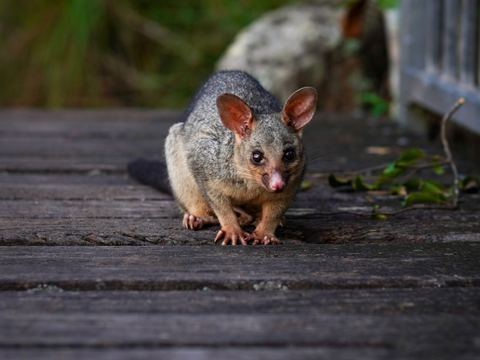 Possum removal in GeelongPossums in Geelong roofs: who to call, Victoria's rules, and how proofing works.Read it
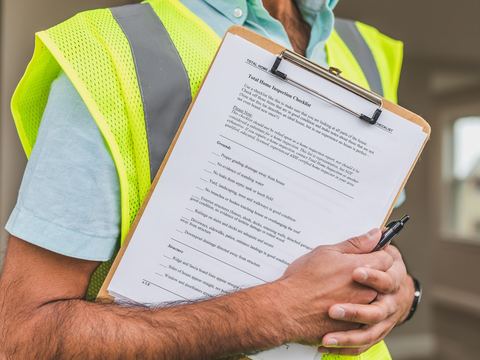 Termite inspections and treatment in GeelongHow termites show up in Geelong homes, what an inspection covers, and what to ask before treatment.Read it
Questions
Pest control in Geelong: common questions
Will the council remove a wasp nest from my backyard?
No. The City of Greater Geelong says owners and occupiers must remove pests from their own property, and it only handles nests on land it manages. For a nest in your yard, a pest business is the usual call.
Who do I call about a possum in Geelong?
The council points possum questions to DEECA, and injured, sick or orphaned wildlife to Wildlife Victoria. For a possum living in your roof, a pest business can proof the entry points; our possums page explains the rules.
Does a pest business help with mosquitoes?
It can treat around a yard, but most of the difference comes from emptying the standing water mosquitoes breed in. For health questions, including Ross River virus and Buruli ulcer, go to the Better Health Channel or your GP.
Seen a pest in Geelong? Tell us what it is.
What you have seen, one tap about it and your postcode. Then a local pest business that handles exactly that calls you.
Before anyone starts
The licence rules where you live
Related help
More on pest control in Geelong
Termite inspections and treatment in GeelongHow termites show up in Geelong homes, what an inspection covers, and what to ask before treatment.Read itPossum removal in GeelongPossums in Geelong roofs: who to call, Victoria's rules, and how proofing works.Read itBee removal in GeelongBees in a Geelong wall, park or river track: who handles which, and when to call a beekeeper.Read itPre-purchase pest inspections in GeelongThe timber pest half of a Geelong building and pest report: what it checks and what you inherit.Read it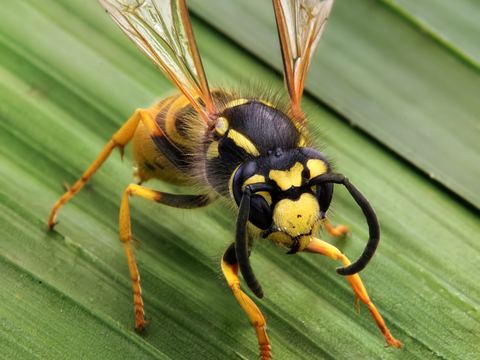 European waspHow to pick a European wasp from a paper wasp, find the nest without getting stung, and the WA report line.Read it
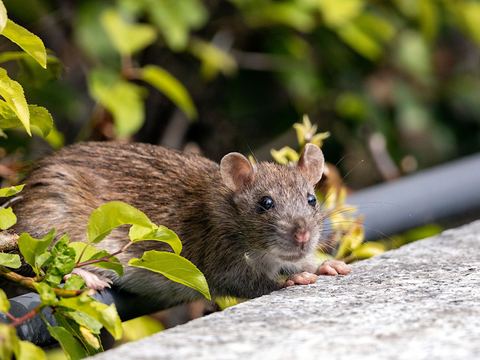 Rodent controlRat or mouse? Droppings, noises, what a pest business does and how to clean up.Read it
Where this information comes from
- City of Greater Geelong Pests, checked 3 November 2026
- City of Greater Geelong Mosquito management, checked 3 November 2026
- Better Health Channel (Victorian Department of Health) Buruli ulcer, checked 3 November 2026
- Victorian Department of Health Pest control technical note number 21: European wasps, checked 3 November 2026
- City of Greater Geelong Pests, checked 3 November 2026
- City of Greater Geelong Wildlife encounters, checked 3 November 2026
- CSIRO Mouse plague in Queensland and New South Wales, checked 3 November 2026
- Bayside City Council (citing DEECA and the Wildlife Act 1975) Possums, checked 3 November 2026
Rules and advice change, so check the source before you act on anything here. How we write and check these pages.