Which kitchen pest left this?
| Likely pest | Where to look | |
|---|---|---|
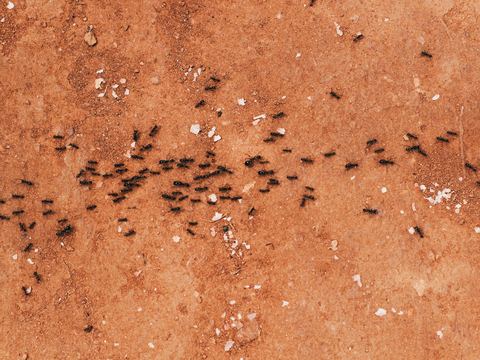
| A line of ants across the bench | Sugar ants or white-footed house ants | Follow the trail back to a crack, a window frame or the skirting |
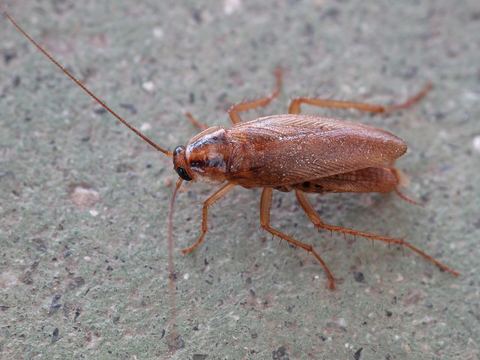
| Small brown cockroaches when the light goes on | German cockroaches | Under the sink, cupboard hinges, drawers, and warm appliances |
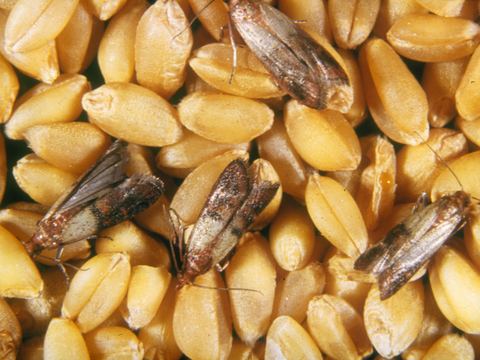
| Silky webbing in flour or cereal | Pantry moth larvae | Packet folds and the back corners of shelves |
| Grains nibbled on the outside, core left | Mice | Behind the pantry and along the kickboards |
| Crumbs and gnawed containers | Rats | Gaps behind the oven, fridge and dishwasher |
| Tiny pale insects on old packets | Booklice | Damp, quiet, undisturbed shelves |
Ants on the bench
The Australian Museum says sugar ants are drawn to any sweet food, and outside they collect nectar and honeydew, tending aphids much as farmers tend stock. White-footed house ants, says Victoria's Department of Health, come in through small cracks and trail to food, sometimes nesting in wall cavities, behind cupboards and behind skirtings.
The department also notes pest ants gather in food preparation areas and can spread disease, which is reason enough to wipe up and work out where the trail starts.
Cockroaches under the sink
Most German cockroach infestations are in kitchens, under sinks, and in and under cupboards and drawers, according to Victoria's Department of Health. The Australian Museum adds that they gather in large groups near warm spots such as water heaters, hide inside appliances, and favour starchy food like potatoes, rice and cereal.
How they arrive is useful to know: the department says German cockroaches usually reach new places as stowaways in cardboard boxes or crates of food and drink. Brownbanded cockroaches are the other indoor kind, hiding in warm spots near the ceiling and in appliances such as toasters. Our cockroach index tells the kinds apart.
In the pantry: moths, weevils and beetles
Indian meal moth larvae spin webbing through what they infest, and in flour mills, the Queensland agriculture department says, it can block machinery. Smaller pantry pests include the cigarette beetle, yellowish to reddish brown and about 2.5 mm long, which eats dried and processed foods, plus the rice weevil, with its curved snout, and the rust red flour beetle, both about 3.5 to 4.0 mm long.
Rodents leave their own signs. Victoria's Department of Health says mice nibble the outside of grains and leave the core, rats leave crumbs where they've fed, and both contaminate food with their droppings.
What sorts most kitchen pests
You can
- Decant flour, rice, cereal and pet food into sealed containers.
- Bin any packet with webbing, larvae or beetles, then wipe the shelf.
- Unpack delivery cartons and recycle the cardboard straight away.
- Fix the drip under the sink and dry the cupboard out.
- Wipe benches and sweep before bed, and don't leave pet bowls out overnight.
Leave to a pest business
- German cockroaches that keep coming back after a clean up.
- Rats or mice getting into food: bait stations and proofing.
- Ants nesting inside a wall cavity or behind the cupboards.

Where we'd start with pests in the kitchen
We'd empty the pantry onto the bench for an hour: most moth and beetle problems end with the bin and some sealed jars. German cockroaches we'd hand to a pest business early, because they hide deep in cupboards and appliances where a can of spray doesn't reach. Tap Cockroaches or Spiders or ants.
Want someone to look at it?
Tell us what you've seen and your postcode, and a local pest business that handles exactly that calls you to talk it through.