How to recognise them
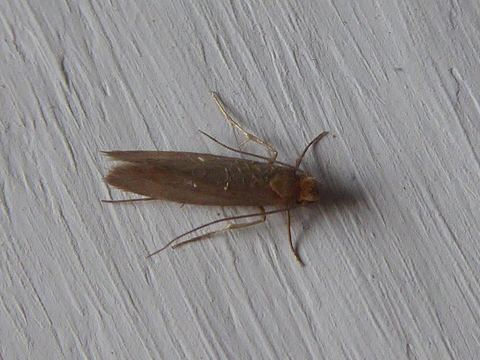
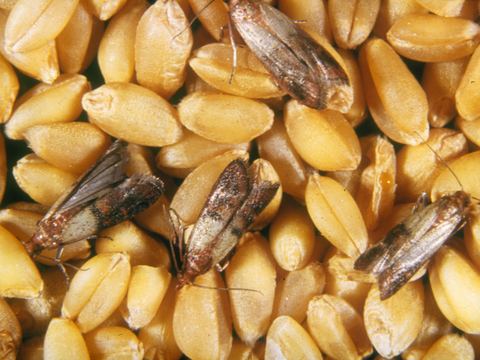
The adult is small, about 8 to 9 mm, and its wings are two colours, cream and brown. You'll mostly see them fluttering around the kitchen at dusk and dawn, which is when Queensland's primary industries department says they're active.
The larvae are creamy white caterpillars about 12 mm long. They do all the feeding, because the adults don't eat at all, and they leave silky webbing through flour, cereal, grain and other dry goods, often clumping the food together.
Why they seem to explode
Queensland's primary industries department puts the Indian meal moth's maximum population growth rate at 60 times per month. It's a major pest in flour mills and food factories for that reason. In a home pantry, one forgotten packet at the back of a shelf can keep the moths coming.
What else lives in the pantry?
| What to look for | Size | |
|---|---|---|
| Indian meal moth | Cream and brown winged moth; webbing in food | 8 to 9 mm |
| Rice weevil | Small beetle with a curved snout | 3.5 to 4 mm |
| Rust red flour beetle | Small reddish beetle in flour and grain | 3.5 to 4 mm |
| Cigarette beetle | Yellowish to reddish brown, in dried and processed food | About 2.5 mm |
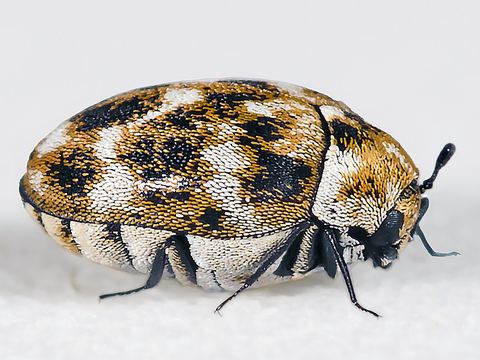
| Drugstore beetle | Very small brown beetle in dried plant matter and nuts | About 3.5 mm |
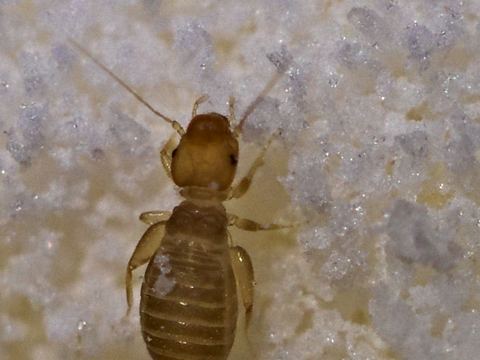
| Booklice | Pale, soft, wingless specks in stored grain | 1 to 2 mm |
Clearing out a pantry
Empty every shelf
Take everything out, including spices, pet food, birdseed and the packets at the very back.
Check each packet in good light
Look for webbing, clumping, caterpillars or tiny holes in the packaging. Bin anything with signs, sealed in a bag.
Vacuum, then wipe
Vacuum corners, shelf edges, hinges and the cracks where shelves meet the wall. Then wipe everything down.
Store dry goods sealed
Move flour, grains and cereals into containers with tight lids, and check new packets when you bring them home.

Where we'd start with pantry moths
With the clear-out above, not a pest business. No treatment can help while an infested packet is still sitting on the shelf. If moths are still flying after a thorough clean, or they're in a café or food business, tap Not sure what it is and mention pantry moths.
Want someone to look at it?
Tell us what you've seen and your postcode, and a local pest business that handles exactly that calls you to talk it through.