
What's different up in the Hills
One region, several councils
The Hills and Fleurieu Landscape Board lists the Adelaide Hills and Mount Barker as separate council districts, so who you ring depends on your address. Parks run through the whole area too, from Belair and Cleland to Morialta, Black Hill, Para Wirra and Scott Creek.
Termites in fences and poles, not just frames
Adelaide Hills Council says Heterotermes ferox goes for damp and rotting timber, often fences, poles and anything else sitting in the soil. The council doesn't treat termites on private property, so that work goes to a pest business.
The mound in the paddock can stay
Adelaide Hills Council doesn't remove termite mounds, because the heath goanna, listed as vulnerable in South Australia, incubates its eggs in them. Only a handful of wood damaging species cause problems, the council says, so a mound out in the bush is a different question from your house frame.
Foxes, rabbits and deer sit with the landholder
The council says all three are common here, and that landowners have a legal responsibility to control them under the state's landscape law. Feral deer sightings go to the Hills and Fleurieu Landscape Board, and so does any question about a baiting program, before it starts.
That tiny animal might be a marsupial
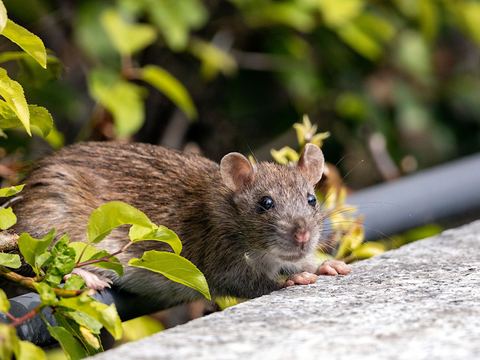
South Australia's environment department asks people in the Adelaide Hills region to watch for the yellow-footed antechinus, which is often taken for a house mouse. Get a clear photo before you decide what you've got.
Searching for possum removal in the Hills?
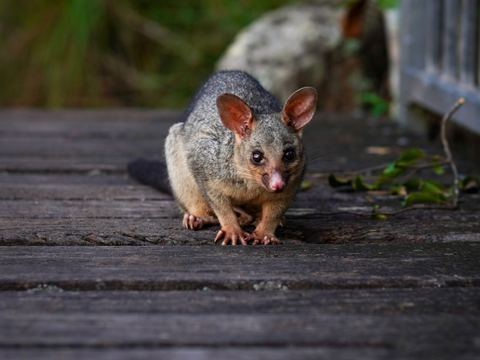
Here's how that works in South Australia. Every possum species is protected, and trapping is only allowed for a possum living in a building, not one in your garden. It takes a permit or a permitted possum controller.
A trapped possum goes back on the same property, within 50 metres of where it was caught, within 24 hours and after dusk. No permit lets it go anywhere else. The environment department says proofing must always go with any trapping, so the real job is finding the gap in the roofline and closing it once the possum is out.
Building and pest inspection on a Hills property
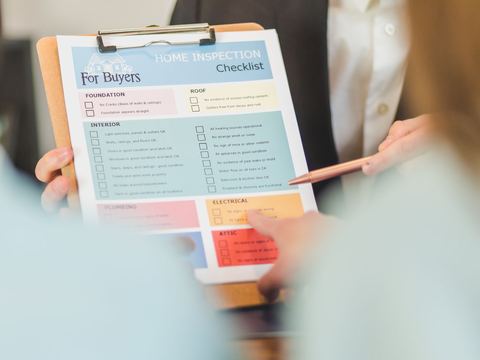
These are two different professions, so a building and pest inspection is really two reports. We cover the timber pest side; a building inspector covers the structure.
On acreage, ask what the timber pest inspector will look at beyond the house: sheds, fence lines, stumps and any verandah filled in over old timber. If you spot mud tubes or hollow timber yourself, leave them alone, because CSIRO says several control options rely on finding termites still active.
A quick walk around a Hills block
- Look at fence posts, poles and retaining walls near the house for damp or crumbling timber, without breaking anything open.
- Note any gum or old stump close to the walls and mention it to the inspector.
- Stack firewood off the ground and away from the house.
- Fix overflowing gutters and leaks, because damp timber is what Heterotermes looks for.
- Listen at dusk if you've heard thumping overhead, and note where it starts.

What we'd do on a Hills block
Get the house checked for termites before worrying about anything out in the paddock, especially with gums or stumps close to the walls. For anything scratching overhead or building a nest, tell us what you've seen and your postcode.
Want someone to look at it?
Tell us what you've seen and your postcode, and a local pest business that handles exactly that calls you to talk it through.