Two inspections, two trades
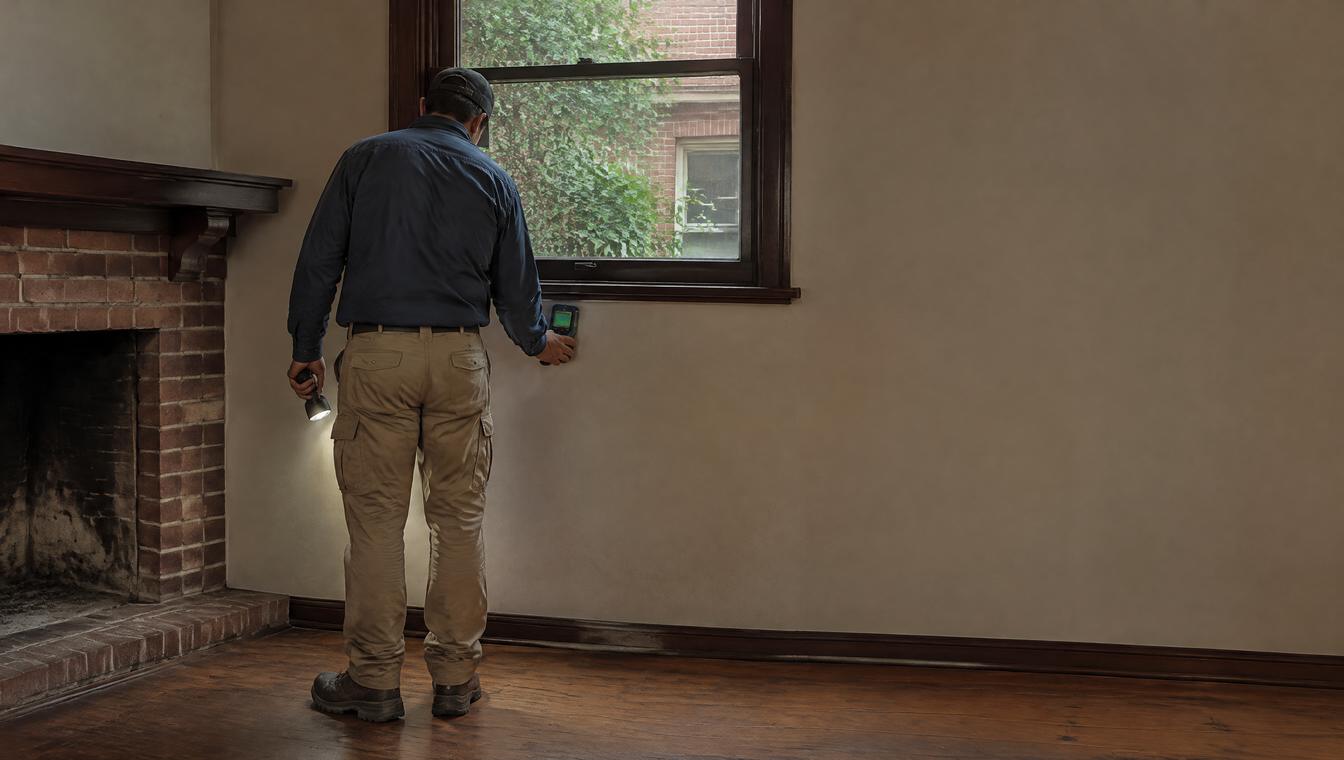
A building and pest inspection is really two reports. The building inspector looks at the structure: cracking, roofing, drainage, defects. The timber pest inspector looks for termites, termite damage and the conditions that make an attack likely. Some people hold both qualifications and do both on one visit; many don't, so ask who is doing which part.
We pass on the timber pest half. For the building half, ask your conveyancer or a building inspector.
What an Adelaide house can hide
Pine and Oregon frames
Adelaide Hills Council says the termite responsible for most building damage in the South Australia region favours softwood and Oregon framing. Plenty of Adelaide's older homes are built that way, so the inspector will want to see as much of the frame as access allows.
Gums, stumps and buried timber
The council notes these termites often nest in eucalypts, stumps, poles and filled-in verandahs where timber was buried. A report that mentions a large gum near the house, or an old verandah filled with soil, is telling you something useful.
Fences and posts in the soil
Another South Australian species, Heterotermes ferox, attacks damp, rotting timber in contact with the soil, the council says. Sleepers, garden edging and fence posts against the house are worth a look.
What a good timber pest report shows
- Which areas were inspected, and which couldn't be reached (a locked shed, a low subfloor, a roof space with no access hole).
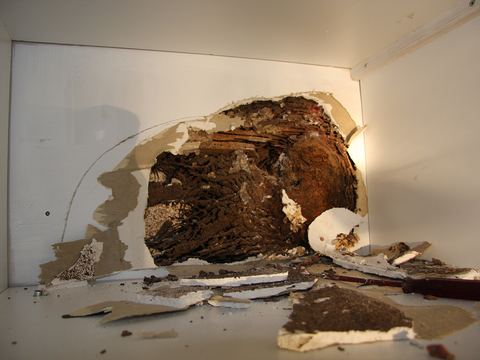
- Any live termites, termite damage or old workings found, with photos and where they are.
- Conditions that raise the risk: timber touching soil, leaks, poor subfloor airflow, garden beds against the walls.
- Whether a termite management system is recorded, and what the meter box notice says.
- The inspector's recommendation for a further, more invasive inspection, if there is one.
The notice in the meter box
For newer homes, the National Construction Code asks for a durable notice, usually in the meter box, naming the termite system used, its installation date and the recommended scope and frequency of later inspections. For a chemical system it also shows the life expectancy on its label. If the notice is missing or the dates have long passed, ask the vendor for the paperwork.
What changes the size of the job
The size of the house, how much of the subfloor and roof space can be reached, outbuildings, and whether you want a re-inspection before settlement all change the time involved. Ask what's included before you book, and whether the inspector will talk you through the report by phone.
Things in a report that deserve a phone call
- Live termites, anywhere on the property, even in the garden.
- Large areas marked not inspected, without a reason.
- Old damage with no record of treatment.
- Timber in contact with soil along the house walls.

If we were buying
We'd book the timber pest inspection as soon as the contract allows, ask for photos of anything found, and ring the inspector about any area they couldn't reach. Check the timing of your inspection conditions with your conveyancer before you sign.
Want someone to look at it?
Tell us what you've seen and your postcode, and a local pest business that handles exactly that calls you to talk it through.