Cleaning up droppings
SA Health lists diseases such as histoplasmosis, cryptococcosis and psittacosis among the risks of pigeons and their droppings. If you clean up a build-up, wear protective clothing, gloves, goggles and a face mask or respirator, as its fact sheet advises.
What South Australian sources say
They don't go far
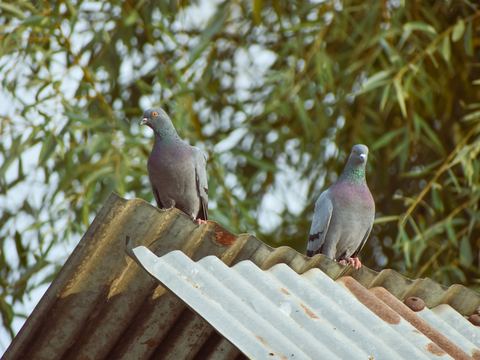
SA Health says feral pigeons descend from domestic homing pigeons brought from Europe, breed all year round and stay close to where they hatched. That's why a flock on one building rarely moves on by itself.
Food decides the numbers
SA Health's most effective step is simply not feeding them and removing any food source, pet food included. Plenty of food lets them breed year round.
Proofing beats culling
Non-lethal control gives the most effective long-term results, SA Health says. Pigeons removed by lethal methods are quickly replaced by young birds, and the flock can end up bigger.
Native birds' nests are protected
Landscape South Australia says nests of native birds with eggs or chicks are protected under the National Parks and Wildlife Act 1972, and encourages waiting until the chicks have left before a nest comes down.
What bird proofing usually involves
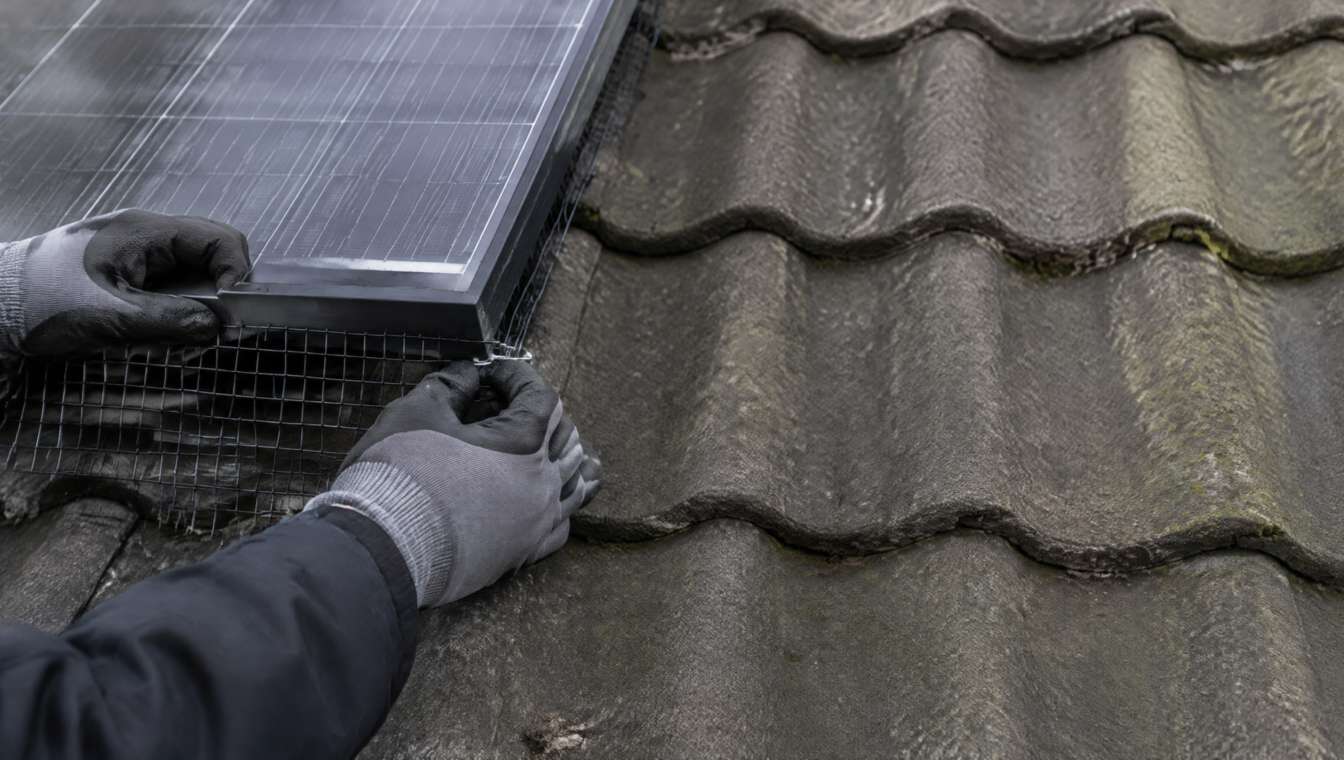
A technician looks at where the birds land, roost and nest, then closes access. SA Health describes sealing gaps into the building and under the eaves with mesh or timber panels, and fitting mesh, wires, spikes or gel to eaves, roof edges and window ledges so pigeons can't land.
Air conditioning units and other roof plant are common problem spots; SA Health says droppings can do extensive damage to rooftop machinery. What makes the job bigger: height and roof access, the number of ledges, cleaning up an old build-up first, and any nests that need to wait.
Check the leg first
A pigeon with a tag on its leg is someone's pet or racing bird, SA Health says. Domestic and feral pigeons are essentially the same bird, but a tagged one has an owner, so it's worth a closer look before anyone treats it as part of a feral flock.
Yours, and the technician's
You can
- Stop any feeding, and bring pet food inside.
- Cover compost and clean up spilt seed under bird feeders.
- Talk to the neighbours: SA Health warns pigeons may just move next door if only one house acts.
- Note where they roost and nest: SA Health says controlling those spots, and the food, is what reduces the nuisance.
Leave to a pest business
- Anything on the roof or at height.
- Mesh under eaves and around roof plant.
- Spikes, wires and gel on ledges.
- Clearing a large build-up of droppings.

Where we'd start with bird proofing in Adelaide
Cut off the food first, then proof the one or two places the birds sleep. If a native bird is nesting with eggs or chicks, wait it out and proof once the nest is empty. When you're ready, tap Possum or birds with your postcode.
Want someone to look at it?
Tell us what you've seen and your postcode, and a local pest business that handles exactly that calls you to talk it through.