Before anyone cleans up droppings
WA Health says respirators, goggles and protective clothing should be worn when cleaning bird sites, especially where droppings have built up. Don't sweep a thick layer dry in an enclosed roof space without that gear.
Birds and buildings in Perth
Where pigeons settle
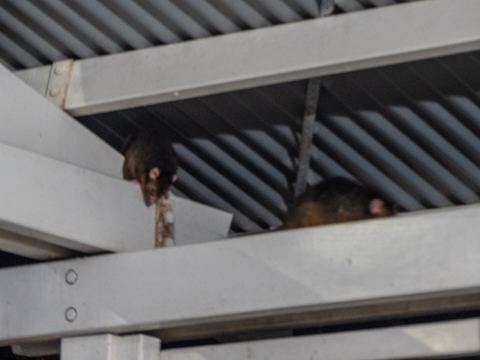
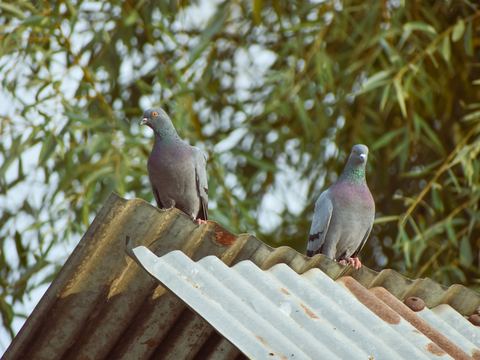
WA Health says feral pigeons roost and breed in roof spaces, on steel beams and inside factory units, and nest along ledges, air-conditioning units and window sills.
Why the droppings matter
The acid in pigeon droppings is highly corrosive and damages buildings, WA Health says, and pigeons damage air-conditioning units and other rooftop machinery. They can also draw in ticks, cockroaches and rats.
Rainbow lorikeets are a declared pest
DPIRD says rainbow lorikeets are declared pests in WA everywhere south of the Kimberley, Perth included. Landholders are responsible for controlling them on their own land, no rainbow lorikeet can legally be released into the wild in southern WA, and any management has to comply with the Animal Welfare Act 2002.
Mynas get reported
In February 2023, DPIRD described the common myna as a prohibited declared pest in WA and asked for any sighting to be reported to it, or through MyPestGuide Reporter. It's often confused with the native yellow-throated miner, a mostly grey honeyeater, so check before you report.
What bird proofing involves
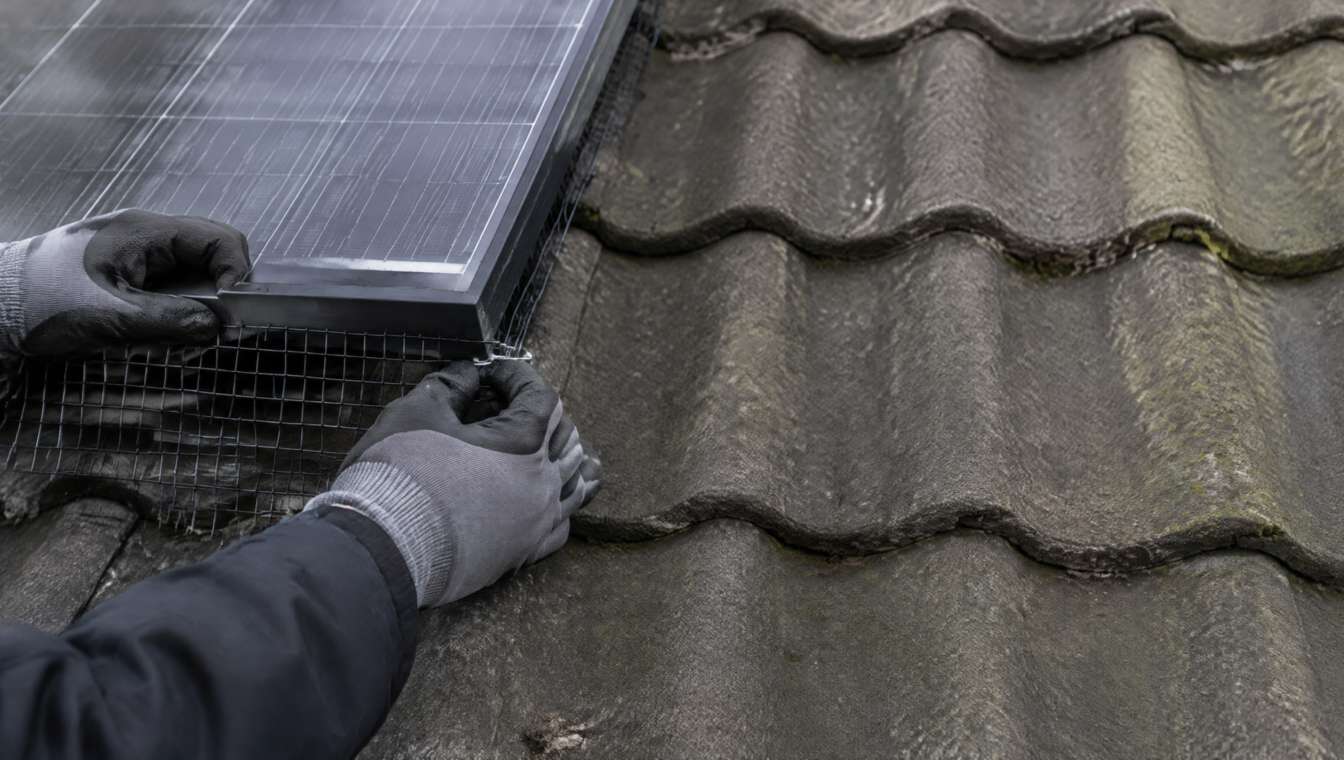
WA Health lists bird netting or mesh, wire coils, pigeon spikes, scare devices and sticky gels among the ways to stop pigeons landing and roosting, along with closing openings and sealing the eaves so they can't get into the roof. Which suits depends on the building: a window ledge, a rooftop air-conditioner, a roof space or a factory beam each need something different.
Two warnings from WA Health worth repeating to whoever quotes. Poorly designed or badly maintained proofing can leave birds fatally trapped, so ask how they'll make sure none are shut inside. And if the neighbours don't proof too, pigeons will quickly take up residence next door instead.
What you can do first
- Take away food and water: outdoor pet bowls, bird baths and bird feeders.
- Keep bins closed and food spills cleaned up, especially at a shop or café.
- Note where the birds roost at night and where they nest, with a photo from the ground.
- Talk to the neighbours; proofing works better when the whole row does it.
Questions for the business quoting
- Which method do you recommend for this spot, and why that one?
- How will you check no birds or nests are shut in before you close anything?
- Who cleans the droppings, and what protective gear will they wear?
- What maintenance does the netting or wire need, and who does it?

Where we'd start with bird proofing in Perth
We'd take the food and water away for a few weeks, then get the roosting spots proofed properly. Tap Possum or birds and say what the birds are and where they land.
Want someone to look at it?
Tell us what you've seen and your postcode, and a local pest business that handles exactly that calls you to talk it through.