If a child or pet gets into bait
If a child may have swallowed rat or mouse bait, call the Poisons Information Centre on 13 11 26 straight away, any time; don't wait for symptoms, and don't make them vomit. Take a photo of the packet for the call. If it's a pet, ring your vet now.
Rat or mouse?
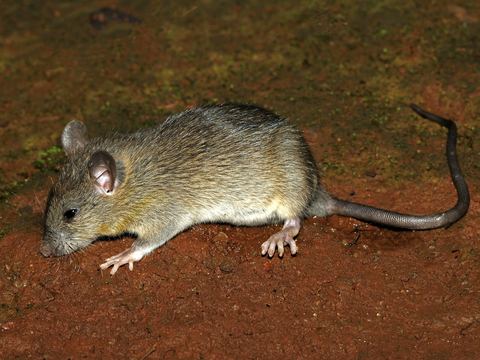
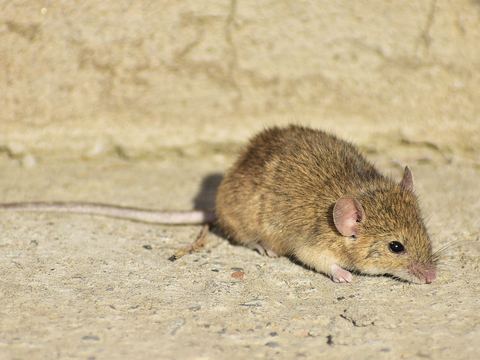
| Rat | House mouse | |
|---|---|---|
| Droppings | Black and torpedo shaped, 10 to 18 mm long. | Black and rod shaped, 3 to 6 mm long. |
| Gnawed holes | About 80 mm across, often leading to a nest. | Up to 20 mm wide, in walls, partitions and floors. |
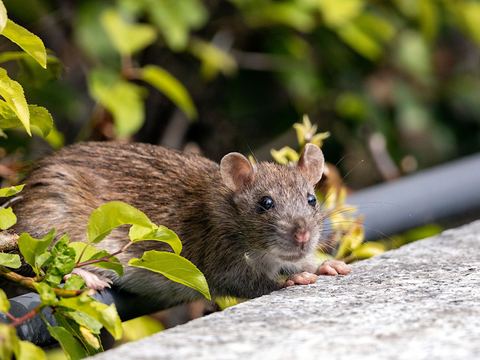
| Body | Roof rat: slender, pointed nose, large thin ears, tail longer than its body. Norway rat: heavier, blunt nose, short thick ears, shorter tail. | Small and slender, with a pointed nose, large hairy ears, pink feet and a tail about as long as its body. |
| Where it lives | Roof rats climb into roofs, cavity walls and trees. Norway rats burrow under buildings, along walls and in creek banks. | Hidden spots close to people and food. |
| Food clues | Crumbs and broken pieces left where it fed. | Grains nibbled around the outside with the core left behind. |
Rats, or a possum?
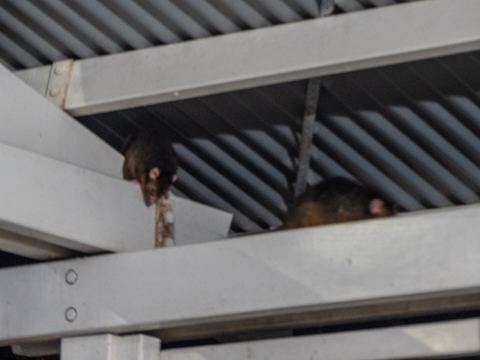
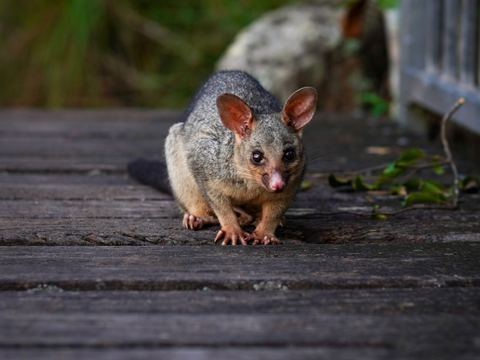
Size of the noise is the giveaway. Rats and mice scratch, squeak, claw and gnaw through the night. A brushtail possum is far heavier: the Queensland Government describes them scampering across the roof as they head out to feed, with deep coughs and sharp hisses.
Possums also keep regular hours, sleeping in the roof by day and heading out after dark. If you're still unsure, NSW Government guidance suggests a light dusting of flour near the gap, so the footprints can tell you which animal it is. Possums are protected and need a different, lawful approach, set out on our possums in the roof page.
Why it's worth dealing with
NSW Health says leptospirosis bacteria can be present in rat and mouse urine and get in through cuts or grazes, and that rat bite fever can come from a bite or from food or water fouled by rodent urine or droppings. Rodents also gnaw woodwork, food containers and electrical cables.
Numbers climb fast. CSIRO says mice can breed from about six weeks old and have a litter every 19 to 21 days, and that cooler weather sends them looking for shelter indoors, so they're more noticeable as the nights get colder.
What rodent control usually involves
A technician starts by working out how they get in and where they run: the roof space, subfloor, wall cavities and the gaps around pipes, vents and the meter box. Greasy rub marks along a beam or skirting board show the regular routes.
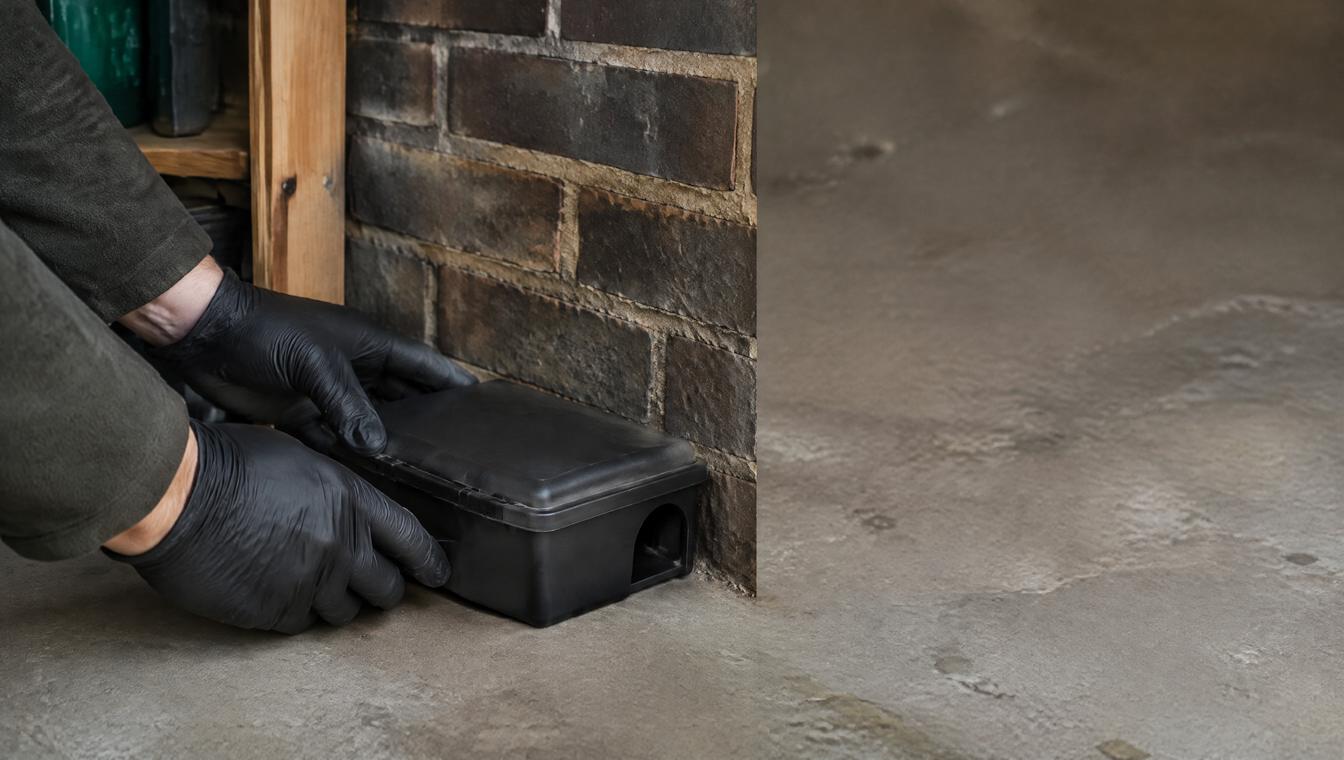
Treatment is usually two things together: proofing the entry points, and controlling the rodents already inside, with traps or with bait stations (locked boxes that hold rodent bait). Ask which they'll use in your house, and why.
A return visit checks what's been taken, clears any traps and confirms the gaps are holding.
What makes the job bigger
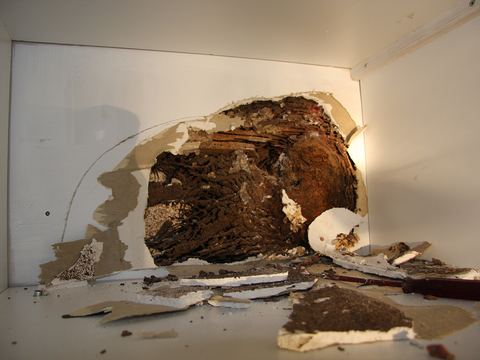
Hard access to the roof or subfloor, lots of entry points, and nests in the roof insulation all add time. So does a steady supply of new rodents from next door, a creek bank or stacked materials in the yard. Cleaning up droppings and soiled insulation can be a job of its own.
Your part, and theirs
You can
- Store food, pet food and bird seed in sealed containers, and pick up pet bowls at night.
- Keep bins lidded, and move stacked timber, junk and overgrown plants away from the walls.
- Trim branches that touch the roof: roof rats are agile climbers.
- Clean up droppings wearing gloves, with any cuts covered by a waterproof dressing, and mop with disinfectant or a bleach solution, as NSW Health advises.
- Wash your hands with soap afterwards, gloves or not.
Leave to a pest business
- Finding entry points in the roof, subfloor and walls, and proofing them.
- Choosing and placing traps or bait stations, then checking them on a return visit.
- Rodents nesting in the insulation, wall cavities or under the house.
- Telling a rat problem from a possum, which needs a different approach under the law.
Questions worth asking
- Is it rats or mice, and where are they getting in?
- Will you proof the entry points, or only deal with the rodents inside?
- If you use bait, what's the full product name, and where will the stations go?
- How will you keep bait away from children, pets and wildlife?
- When will you come back to check, and what if we still hear them?

Where we'd start with rodent control
We'd find the droppings first, because their size tells you rat or mouse in a few seconds. Then we'd put food away, clear the clutter along the walls and tap Rats or mice. If it's heavy thumping rather than scratching, read the possum page before anyone sets anything, because that's a different job with different rules.
Want someone to look at it?
Tell us what you've seen and your postcode, and a local pest business that handles exactly that calls you to talk it through.