
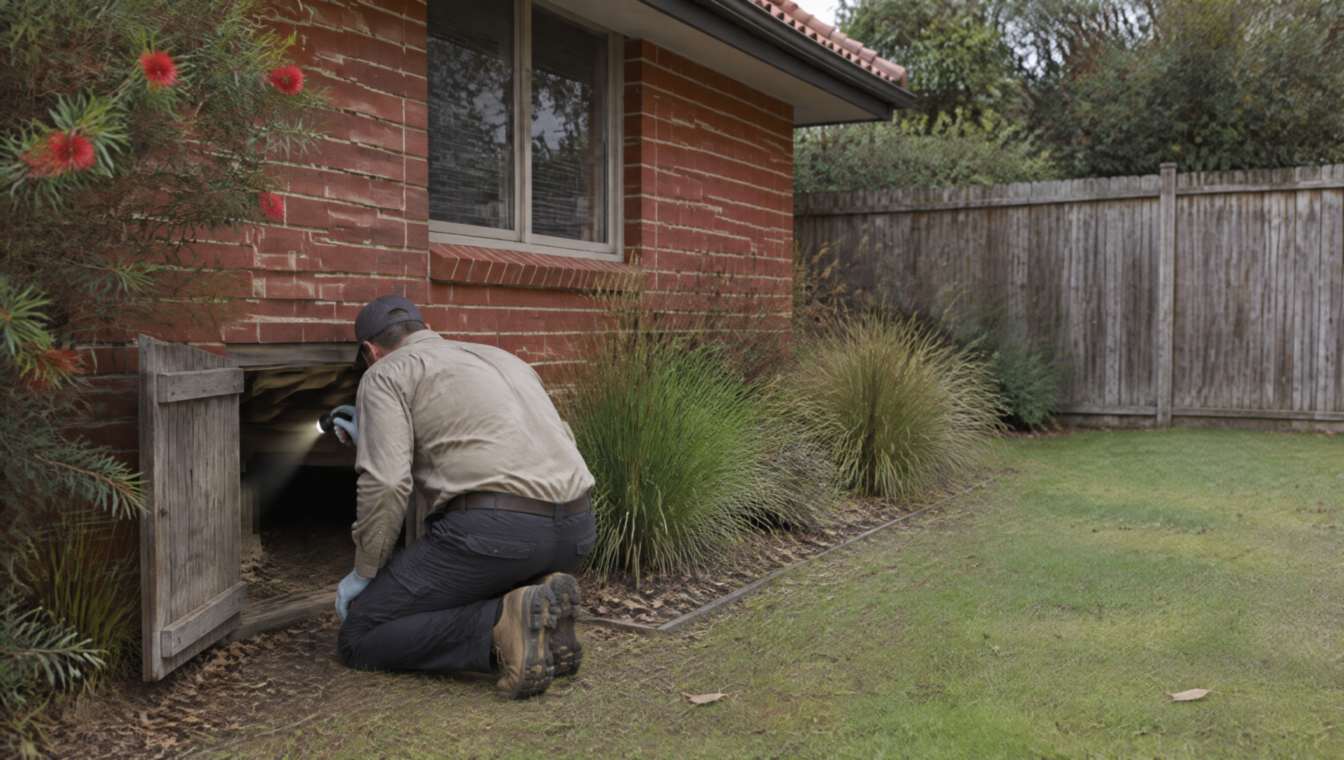
Newcastle, New South Wales
Pest control in Newcastle
Rats, termites and estuary mosquitoes.
In Newcastle, rats and mice, termites and possums are the pest jobs people search for most, and the estuary adds saltmarsh mosquitoes in the warmer months.
- Matched to what you've seen
- Only one local pest business gets your number.
- Where the job needs a pest licence, we check it on the state register, including the termite category for termite jobs.
Matched to what you've seen
Before a pest business can take jobs from Which Pest, we record the jobs it handles, so a termite job never goes to a business that only sprays for spiders.
Only one local pest business gets your number.
We pass your contact details to one local pest business so it can contact you about this job, and nobody else gets them.
The licence rules where you live
Where the job needs a pest licence, we check it on the state register, including the termite category for termite jobs. Pest licence rules in New South Wales
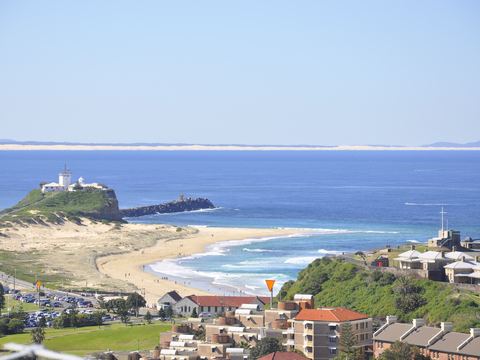
Pest control in Newcastle: what to know before anyone calls
On this page
What's different in Newcastle
Big tides hatch mosquitoes
On the NSW coast, NSW Health notes that tides over 1.8 metres can set off hatching of the saltmarsh mosquito, so a run of big tides matters as much as rain. In the week ending 7 February 2026, it rated numbers at its Newcastle traps as high.
What the traps have found
NSW Health found Barmah Forest virus in mosquitoes at Tomago on 17 February 2025 and Ross River virus there on 7 April 2025, and Gan Gan virus at Maryland five times early that year. A virus in a trap isn't a human case. NSW Health's own advice tells you what it means for your family.
Ticks on the bush edges
NSW Health says ticks are common in bushland, long grass and humid spots along the east coast, and suggests keeping out of those areas, especially after rain. Worth remembering if your yard backs onto reserve.
Fire ants are a phone call
Think you've seen fire ants? Contact the NSW Biosecurity Helpline. Leave the nest alone, and get a clear photo or video if you can do it from a safe spot.
Rats and mice in a coastal city
The Australian Museum says brown rats are common in coastal urban areas, and black rats, the agile climbers, have spread through much of coastal Australia. Scratching or gnawing in the ceiling at night is usually one of those two, or mice.
CSIRO says cooler weather sends mice looking for shelter in NSW homes, so the noise often starts in autumn. A pest business usually sets bait stations (locked boxes that hold rodent bait) where children and pets can't get at them, then comes back to check them.
Possum or rat above the ceiling?
| Possum | Rat or mouse | |
|---|---|---|
| What you hear | Heavy thumping and running, deep coughs and sharp hisses | Light scratching, squeaking and gnawing |
| When | Sleeps in the roof by day, heads out at night to feed | Through the night, and black rats are often seen by day |
| Droppings | Ask the technician to identify them | Rats: black, torpedo shaped, 10 mm to 18 mm long |
| The rules | Protected in NSW: catch and release needs a licence | An ordinary pest job |
Termites and possums each have their own page
Termites are usually found through damaged timber, not flying swarms: in a CSIRO survey of homes with termites, 86% noticed damaged wood first. Our Newcastle termites page covers what an inspection looks at and the NSW rules for treatment.
Possums are protected wildlife in NSW, so the possums in Newcastle page starts with what the law allows, then how to tell a possum from a rat or a myna.
Around a Newcastle house before summer
- Tip out buckets, pot plant bases, bird baths and blocked gutters every week: mosquito eggs need about a week of standing water.
- Check fly screens on windows, doors and vents for holes.
- Keep bins lidded and pet food sealed, so rats have less reason to stay.
- Stack firewood and spare timber off the ground and away from the walls.

Our take on pests in Newcastle
If something's moving in the ceiling, work out first whether it's a possum or a rodent, because the rules are completely different. Then tap what you've heard or seen, with your postcode.
Want someone to look at it?
Tell us what you've seen and your postcode, and a local pest business that handles exactly that calls you to talk it through.
Your suburb
Suburbs and areas around Newcastle
Questions
Pest control in Newcastle: common questions
Can a pest business deal with saltmarsh mosquitoes?
Only up to a point. A pest business can treat the shady spots where mosquitoes rest around your yard, but saltmarsh mosquitoes breed out on the tidal flats. Weekly tipping out of water and sound screens do more at home.
Is a virus in a mosquito trap a reason to worry?
It shows the virus is about, not that anyone is sick. NSW Health runs its trapping program every year from November to April, the peak season, and its advice on avoiding bites is the one to follow.
Do you cover Lake Macquarie, Maitland and Port Stephens?
Yes. They have their own pages: Lake Macquarie, Maitland and Port Stephens. Your postcode tells us where you are.
Seen a pest in Newcastle? Tell us what it is.
What you have seen, one tap about it and your postcode. Then a local pest business that handles exactly that calls you.
Before anyone starts
The licence rules where you live
Related help
More on pest control in Newcastle
 Termite inspections and treatment in NewcastleTermite signs, NSW licence rules and the questions to ask in Newcastle.Read it
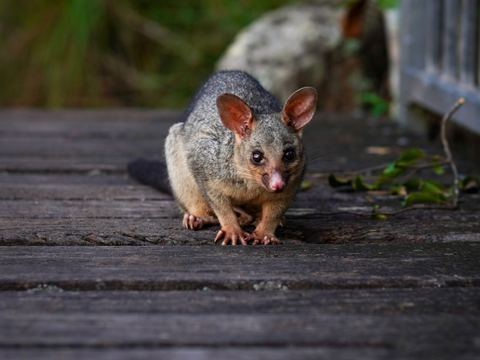 Possum removal in NewcastlePossum, rat or myna in a Newcastle roof, and what NSW law allows.Read it
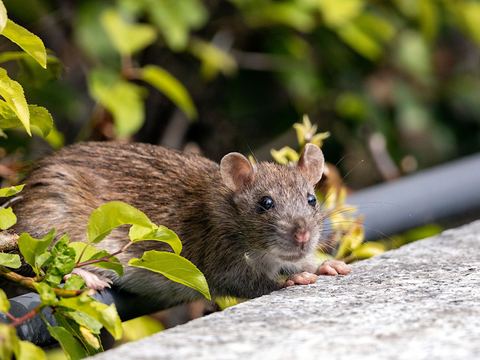 Rodent controlRat or mouse? Droppings, noises, what a pest business does and how to clean up.Read it
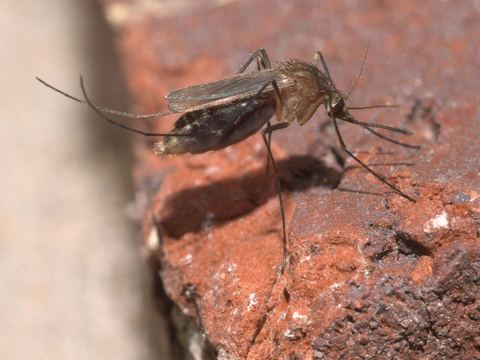 Mosquitoes around the houseWhere mosquitoes breed in a backyard, which repellents health advice names, and what a yard treatment can do.Read it
 Pest control in New South WalesWho the NSW EPA licenses, the timber pest licence, possums, fire ants and renting rules.Read it
Where this information comes from
- NSW Health (Health Protection NSW and NSW Health Pathology, ICPMR Westmead) NSW Arbovirus Surveillance Program Annual report 2024-2025, checked 3 November 2026
- NSW Health (Health Protection NSW) NSW Arbovirus Surveillance and Mosquito Monitoring 2025-2026, weekly update for the week ending 7 February 2026, checked 3 November 2026
- NSW Health Ticks, checked 3 November 2026
- NSW Government (nsw.gov.au, NSW DPIRD) Fire ants in NSW, checked 3 November 2026
- NSW Government (ministerial release) Red Imported Fire Ant's nest found at Sydney port intermodal logistics site, checked 3 November 2026
- Australian Museum Brown Rat, checked 3 November 2026
- Australian Museum Black Rat, checked 3 November 2026
- CSIRO Mouse plague in Queensland and New South Wales, checked 3 November 2026
- Queensland Government (qld.gov.au) Common brushtail possum (last reviewed 26 June 2026), checked 3 November 2026
- Rockhampton Regional Council How do I know if I have rats and mice?, checked 3 November 2026
- NSW Department of Climate Change, Energy, the Environment and Water (environment.nsw.gov.au) How to remove a possum from your roof, checked 3 November 2026
- CSIRO and Forest and Wood Products Research and Development Corporation (copy hosted on a pest management company website) Termite Survey and Hazard Mapping, Cookson and Trajstman, Table 9: How termites were noticed (interviews 1996 to 1998, 5122 dwellings, not a random sample), checked 3 November 2026
- NSW Health Mosquito reduction, checked 3 November 2026
Rules and advice change, so check the source before you act on anything here. How we write and check these pages.