Found something? Do this first
Leave them alone
Don't spray, poke or pull off the damaged timber. CSIRO says to take care not to disturb termites further, because several control options rely on finding them still active.
Take photos from where you are
Photograph the timber, any mud and where it is in the house. Put a coin or a ruler beside it if you can do that without touching anything.
Get an inspection booked
Tap Termites with your postcode. A termite inspector checks the whole house, including the roof void and subfloor you can't easily see.
What termite damage looks like
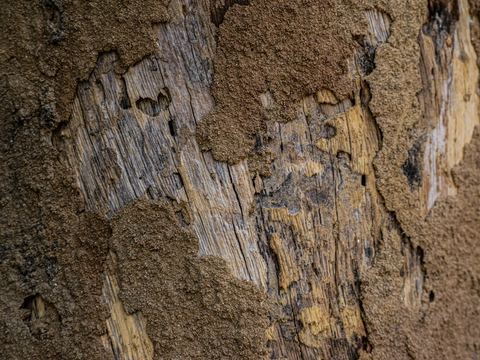
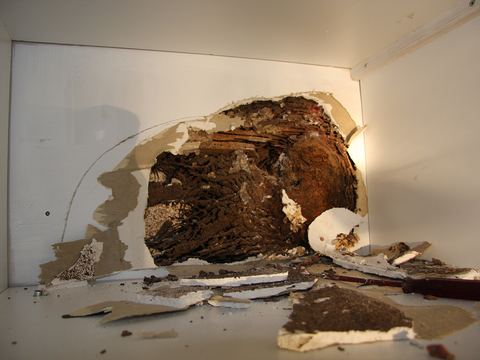
Termites eat timber from the inside and leave the outer shell, so damaged wood can keep a wafer thin skin that looks fine until you press it. CSIRO says tapping timber with something hard, like a screwdriver handle, and hearing a dull hollow sound can point to cavities inside.
The other sign is mud. Subterranean termites build shelter tubes over brick, concrete and hard timber to stay moist and out of the sun, often running up a pier or a wall from the ground.
What's local about termites in Newcastle
No official rating for the city
CSIRO publishes termite hazard zones only as a national map, so no source gives Newcastle a rating of its own. Its general picture is that risk on the mainland rises toward the north. What your inspector finds on your street is worth more than any regional label.
Humid evenings at the porch light
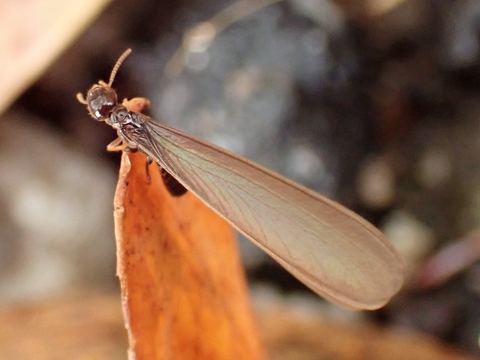
On humid summer evenings the porch light pulls in all sorts of flying insects, and NSW Health rated mosquito numbers at its Newcastle traps as high in early February 2026. Termite flights happen on warm humid evenings in spring and autumn, often at dusk, and a winged termite has two pairs of equal wings that drop off soon after it lands.
Clearing a bushy block
Inspectors need to see where timber meets the ground, so clear the edges of the house first. If the yard backs onto bush, NSW Health's tick warning applies: ticks live in bushland and long grass along the east coast.
What the job involves in NSW
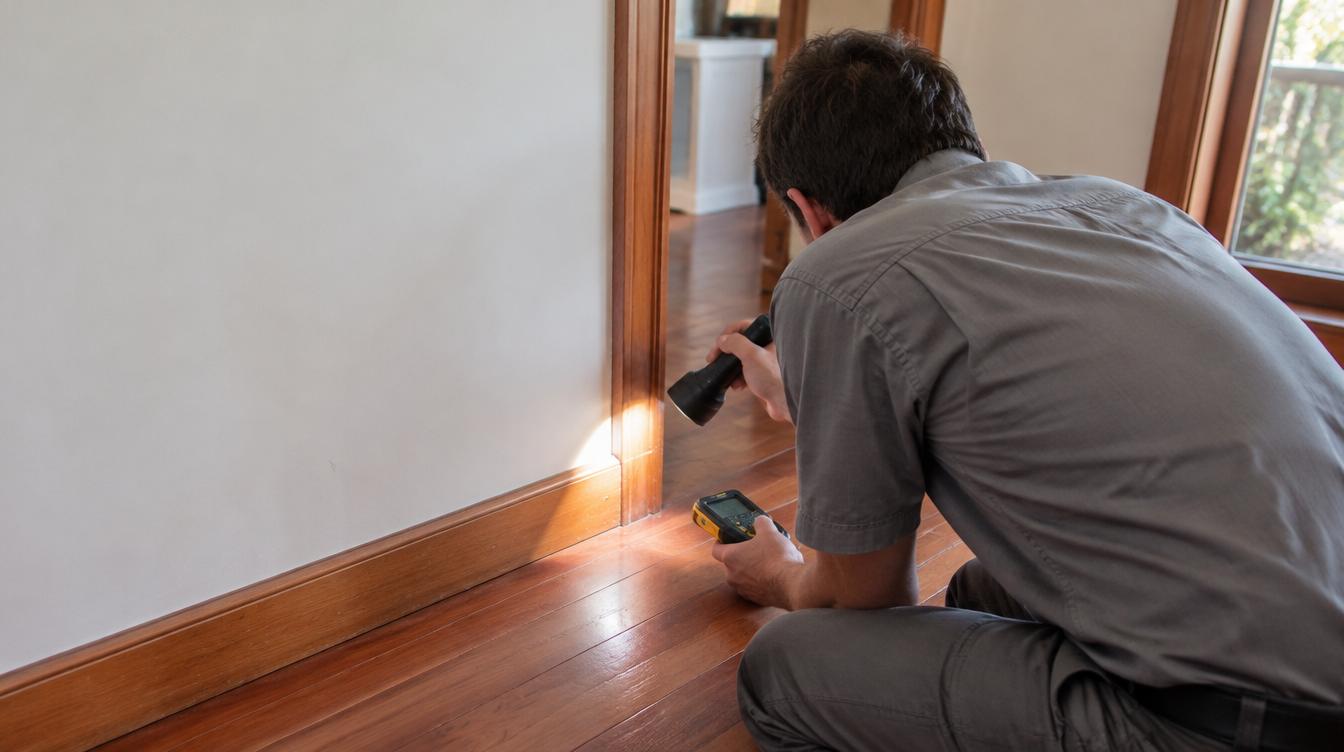
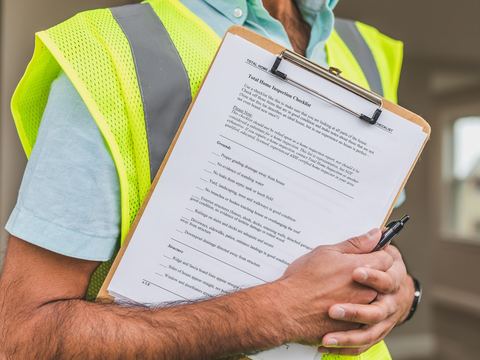
It starts with an inspection of the roof void, the subfloor (the space under a raised floor), the walls, the garden and fences, and a written report. If termites are active, the usual options are a baiting system that the colony carries back to the nest, or a chemical soil barrier around the house, with follow-up visits either way.
In NSW, an inspection that uses no pesticides needs no EPA licence. Treatment does: anyone who renewed or first got a NSW pest licence after 17 December 2021 needs the timber pest management technician licence to treat termites. NSW licences belong to individual technicians, not businesses, and all of them go on a public register.
Ask before you agree to treatment
- Which licence does the technician doing the treatment hold, and can I see the photo card?
- Why this system for my house, rather than the other option?
- How many follow-up visits are included?
- What results should I expect, and what does any warranty cover, in writing?
- What's the full product name, and can I have its safety data sheet?

If it were our house in Newcastle
We'd get an inspection before anything is found, and straight away if we'd bought a place without a recent report. If you've already seen damage, leave it untouched and tap Termites with your postcode.
Want someone to look at it?
Tell us what you've seen and your postcode, and a local pest business that handles exactly that calls you to talk it through.