
Found termites, or think you have?
Leave them exactly as they are
WA's Building and Energy says don't disturb termites with household sprays or by pulling out the damaged wood. CSIRO adds that several control options rely on finding termites still active, so a disturbed spot can make the job harder.
Take a photo and note the spot
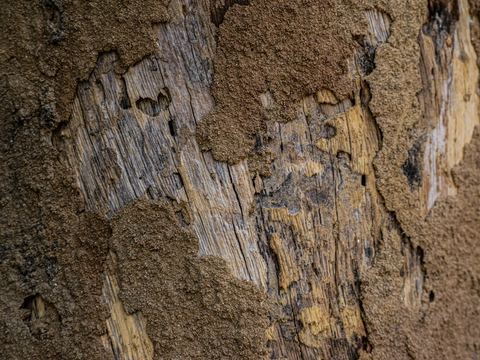
Where it is, what it looks like (a mud tunnel, soft or hollow timber, bubbling paint) and when you noticed it. That's what the inspector will ask first.
Book the inspection
Tap Termites with your postcode. Treatment comes after the inspection, never before.
Termites and Perth houses
What the first sign usually is
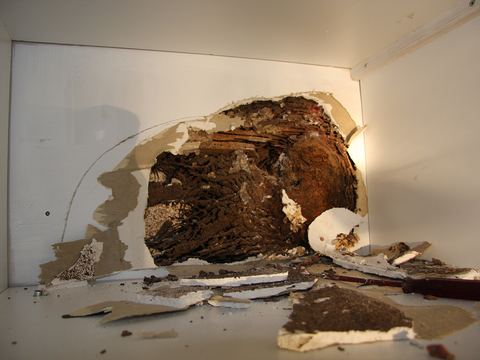
Building and Energy says the first sign is often a wafer thin mud tunnel on timber. Inside, it can be a slightly discoloured patch on a wall, then warping where timber panelling lines it. CSIRO's survey of Australian homes found 86% of owners with termites noticed damaged wood first, 34% mud tubes and only 8% wings.
Checks every six months, an inspection every year
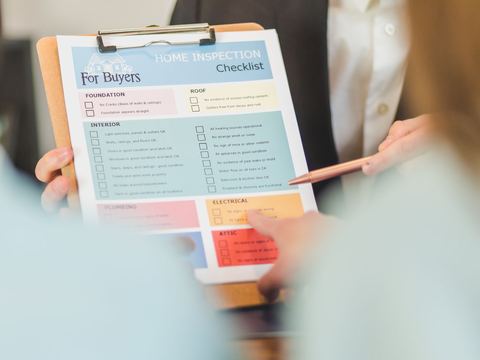
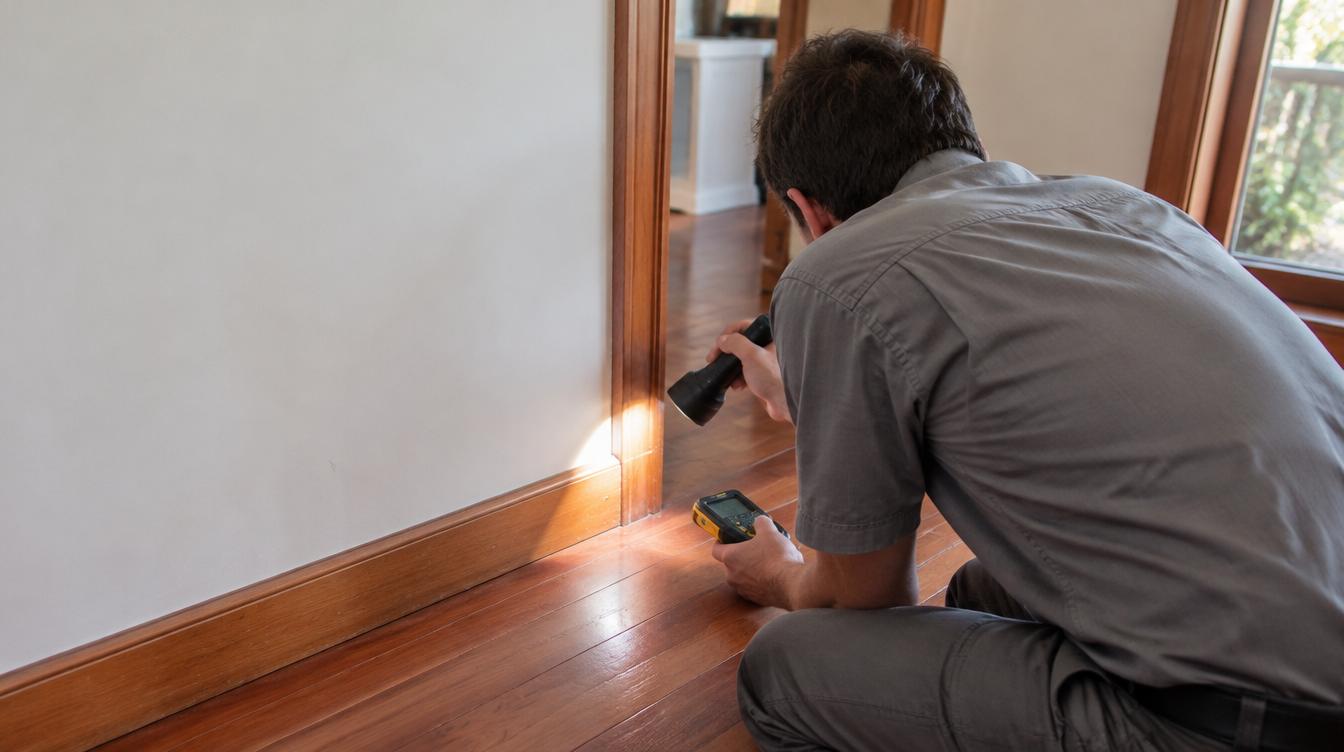
The state's advice is to look over your own property every six months for obvious signs, and have a pest controller inspect at least once a year. For early detection, the same fact sheet suggests an inspection of all accessible timber and likely entry points every six to 12 months.
Damp and clutter against the walls
Building and Energy says damp attracts termites, so fix plumbing, drainage and roof leaks quickly. Keep garden beds off the outside walls, don't let soil cover the weep holes and vents, and store nothing against the house where termites could slip into the wall cavity unseen.
Renovating or extending
In WA, an extension or alteration must not take away the existing termite barrier or the access an inspector needs. If a builder in the past six years didn't install the termite protection the National Construction Code requires, Building and Energy says you can refer it to them.
What a Perth termite treatment usually involves
For a house that already has termites, Building and Energy describes an integrated approach: treating the termites in the timber, finding the nest, re-establishing a chemical or physical barrier (a layer that stops termites getting in unseen), then regular inspections. A termicide put only into the active tunnels can reduce numbers, but it rarely finishes off the colony unless it's combined with another method.
Baiting is the other main route. Building and Energy says a typical house needs about 30 bait stations, checked regularly, and that baiting around the outside isn't always possible on a tight block without space around the building. That's worth raising early on a small lot.
What makes the job bigger: how far the termites have spread, how easy the roof space and subfloor are to reach, whether a barrier has to be re-established by drilling through paths or the slab edge, and how many follow-up visits are needed. Ask for those in a written quote.
Questions for a Perth termite inspector
- Does your licence carry the Termites and Timber pests endorsement?
- What's your business's Department of Health registration number?
- Where exactly did you find activity or damage, and will that be in a written report?
- If you're recommending baiting, how many stations, and how often will you check them?
- Which termicide or bait product is it, by its full registered name?
- Does the durable notice in my meter box need updating after this work?
Your part, and the inspector's
You can
- Fix leaking taps, downpipes and hot water overflows near the walls.
- Keep firewood and stored timber well away from the house, raised off the ground and covered.
- Use metal stirrups for pergola and gate posts, and skip untreated sleepers in garden beds.
- Walk around the house every six months looking for mud tunnels on the slab edge or timber.
Leave to a pest business
- The yearly inspection, with the tools to check timber you can't see.
- Treating active termites and finding the nest.
- Re-establishing a barrier, or setting up and checking bait stations.
- Telling you what the durable notice and any earlier treatment records mean.

If it were our house in Perth
We'd leave any termites we found untouched, photograph them, and get an inspection booked before buying anything from a hardware shop. Then we'd ask for the plan and the product in writing before saying yes to treatment.
Want someone to look at it?
Tell us what you've seen and your postcode, and a local pest business that handles exactly that calls you to talk it through.