Termites in Townsville
Mastotermes, the big one
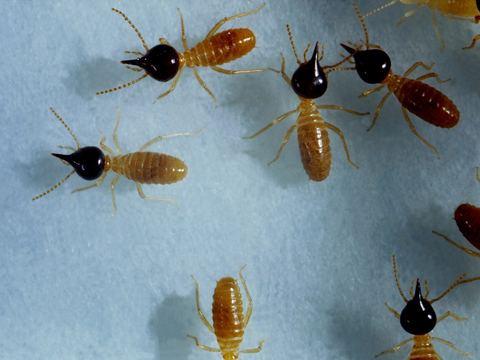
Above the Tropic of Capricorn, CSIRO calls the giant northern termite particularly voracious, and Business Queensland rates it the most destructive subterranean termite. Its soldiers can reach 13 mm; the common subterranean kinds run 3 to 7 mm.
The usual suspects as well
Coptotermes and Schedorhinotermes, which tunnel through mud galleries to reach houses, occur here as they do across Queensland.
The wet season
The Townsville region averages 661 mm of rain a year, mostly from November to April. CSIRO says winged termites swarm out in humid spells in the warmer months, often at dusk, so a flight around the verandah light is a reason to look closer.
Exotic termites get reported
Queensland asks for any suspected exotic Coptotermes termites to be reported straight away to Biosecurity Queensland, or the Exotic Plant Pest Hotline. If an inspector finds something unusual, that's the call.
Signs to look for
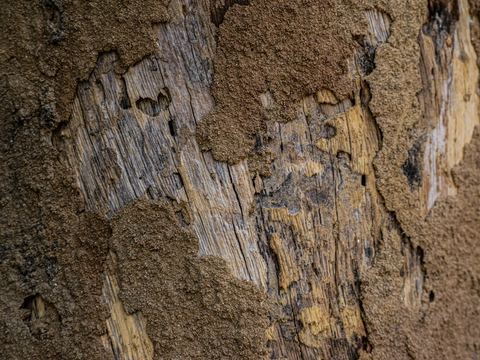
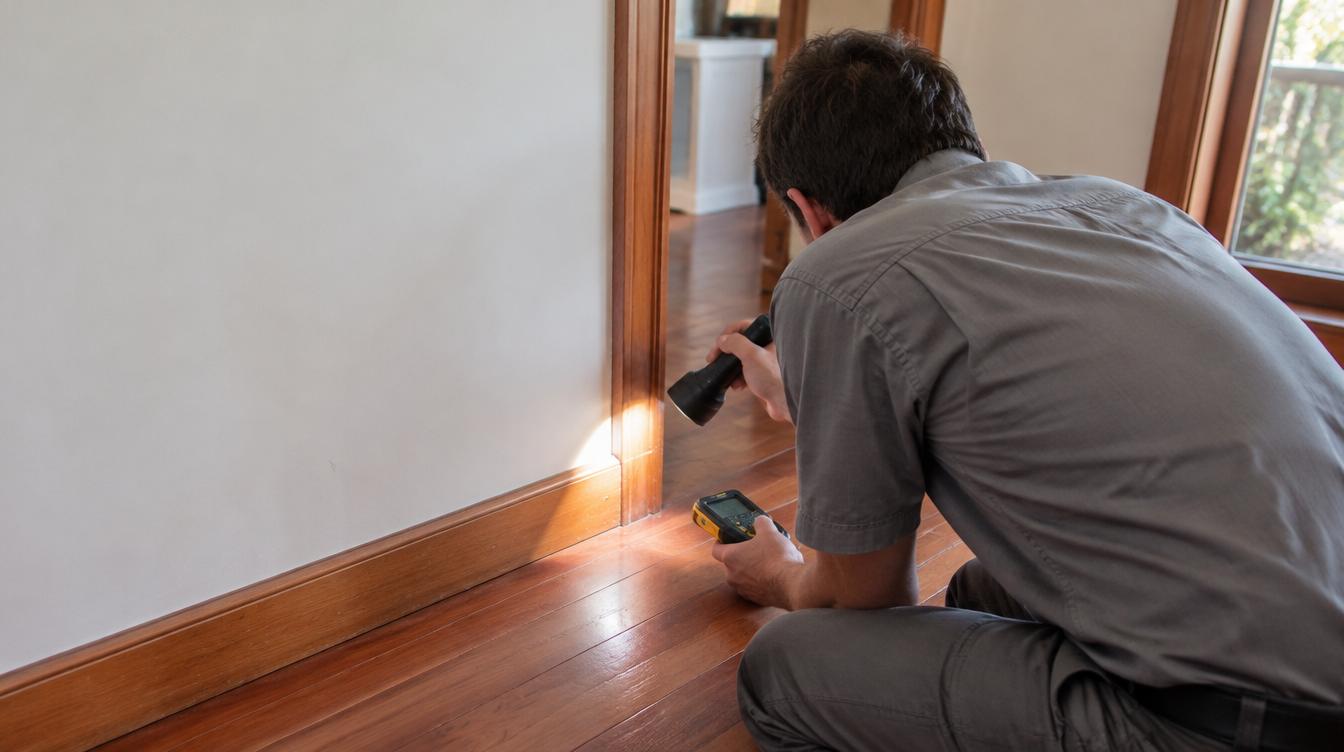
CSIRO surveyed homes that had termites: damaged wood gave them away in 86% of cases, mud tubes in 34% and wings in just 8%. So check skirting boards, door frames and window reveals for hollow sounds or blistered paint, and the stumps, piers and slab edge for thin mud tracks.
Small piles of gritty pellets, like sand or ground pepper, under tiny holes in timber can mean drywood termites, which CSIRO describes separately from the subterranean kinds. Mention them to the inspector if you see them.
Found some? Leave them be
Don't spray, break open or dig at termite workings. WA's building regulator warns against household sprays and pulling out damaged wood, and CSIRO says several control options rely on finding the termites still active.
Licences in Queensland
A Queensland pest management licence from Queensland Health, endorsed for timber pest control, is what lets someone apply termite pesticides for a fee; it lasts up to 5 years, so it's fair to ask that it's current. Building related termite work also comes under the QBCC: its chemical class covers perimeter treatments and inspecting and reporting on infestations, and its physical class covers installing barrier systems.
What decides the size of the job
Which termite it is, how far it has spread through the house, how easily the inspector can get under the floor and into the roof, and how much of the frame a builder will need to look at afterwards. A low set house on a slab with paving right to the walls is a different job from a high set Queenslander with open stumps.
Worth asking a Townsville termite inspector
- Which species did you find, and is it the giant northern termite?
- Do you recommend a chemical treatment, a baiting and monitoring system, or both, and why for this house?
- What's the full product name, and where exactly will it go?
- How often should we have the house inspected afterwards?
- What does any warranty cover, in writing?
- We've got kids, a dog and a veggie patch: what do we need to do on the day?

If it were our house in Townsville
We'd have an inspection done before each wet season, ask the inspector to name the species if they find any, and leave any workings untouched until then. Tap Termites to start.
Want someone to look at it?
Tell us what you've seen and your postcode, and a local pest business that handles exactly that calls you to talk it through.