
What have you seen?
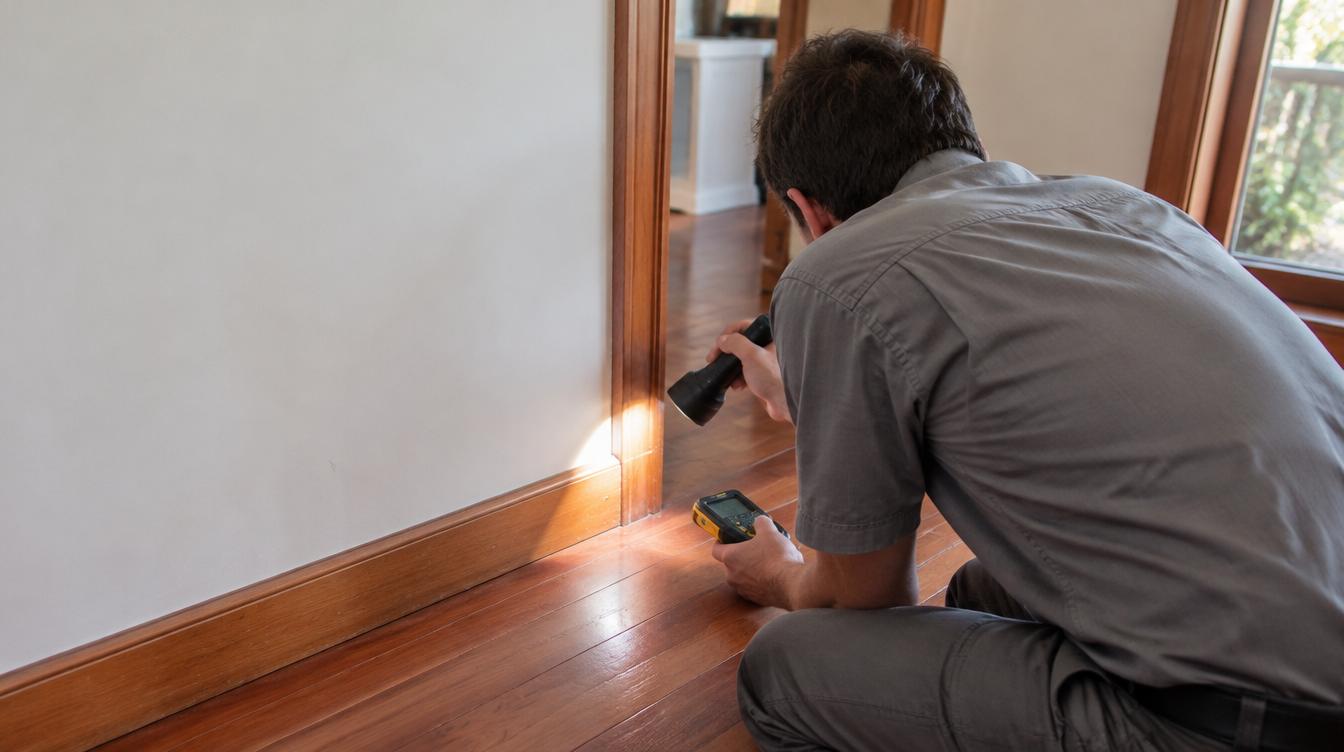
A person kneeling on a timber floor, checking a skirting board with a torch and a moisture meter

Rockhampton, Queensland

Termite inspections and treatment in Rockhampton

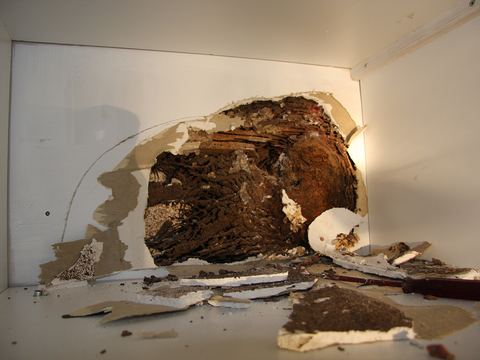
Damaged timber and mud tubes, long before wings.

Termite treatment in Rockhampton starts with an inspection, and the signs that justify booking one are damaged timber and mud tubes, long before you'd ever see a flying termite.

Seen a pest in Rockhampton?

Don't spray, break or dig out mud tubes or damaged timber. Leave them for the inspector.

Only one local pest business gets your number.

  • Matched to what you've seen
  • Only one local pest business gets your number.
  • Matched to what you've seen

    Before a pest business can take jobs from Which Pest, we record the jobs it handles, so a termite job never goes to a business that only sprays for spiders.

  • Only one local pest business gets your number.

    We pass your contact details to one local pest business so it can contact you about this job.

What happens next

A local pest business calls you.

What have you seen?
  1. Tell us what you've seen

    The pest, one detail about it, and your postcode. A few taps.

  2. We pass it on

    We pass your enquiry to one local pest business that handles exactly this. They quote, do the work and deal with you directly.

  3. They call you

    The pest business talks it through, usually inspects first, and quotes in writing. You decide.

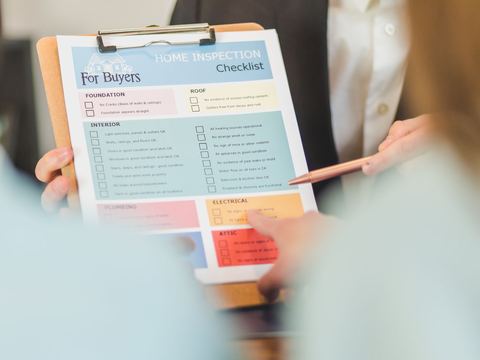
An inspector in a hi-vis vest holding a clipboard
An inspector in a hi-vis vest holding a clipboard.

Updated 3 November 2026 · Written by the Which Pest team · How we check our facts

Termites around Rockhampton

On the Tropic of Capricorn

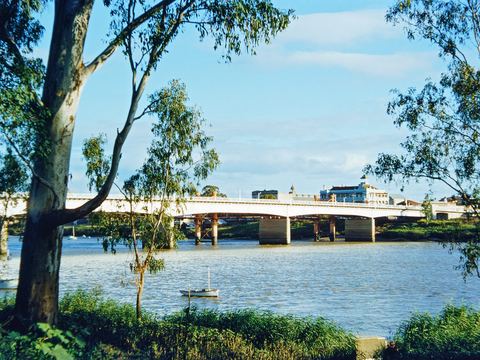
The council's Tropic of Capricorn Spire stands at the city's southern entrance. CSIRO puts the risk of termite attack on mainland Australia highest in the subtropics and tropics, which is the band Rockhampton sits in.

The West Indian drywood termite

It occurs throughout Queensland and, Business Queensland says, has caused considerable economic damage to timber homes in the state. It lives in the timber, so the soil around the house tells you nothing about it.

The nest may be next door

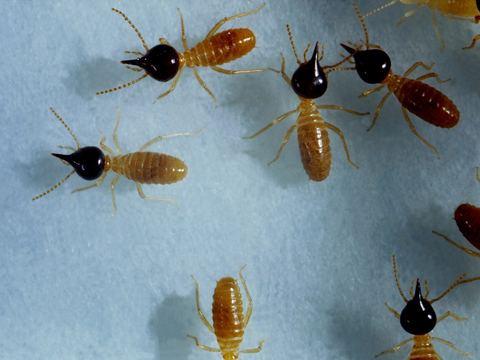
CSIRO says subterranean termites usually forage within 30 m of their nest and occasionally 100 m or more. The colony eating your pergola could be in a stump two yards over.

Signs the QBCC tells Queenslanders to look for

  • Mud shelter tubes beside architraves or skirting boards, on brick foundations, or on outside walls at ground level.
  • Sagging floors, doors or ceilings.
  • Damaged skirting boards, door jambs or architraves.
  • Cracked or blistered paint or plaster.
  • Timber that sounds hollow when tapped.
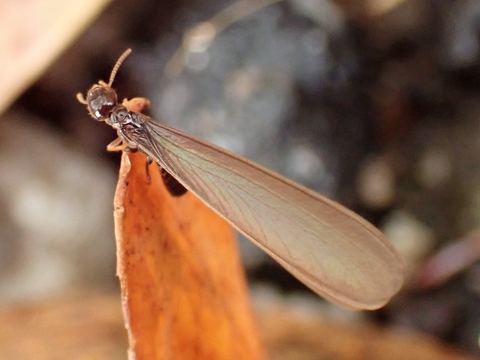
  • Discarded wings near windows, in spider webs or in light fittings.
  • Dry, sand-like pellets in small cone-shaped piles: the drywood termite's calling card.
  • Unexplained power failures, which the QBCC also includes on its list.

Spotted one of those? Touch nothing

Don't spray, scrape or open anything up. CSIRO says a number of control options depend on finding termites still active, and Western Australia's building regulator gives the same advice about sprays and pulling out infested wood.

Wings are the rarest clue. In CSIRO's survey of homes with termites, 86% noticed damaged wood, 34% mud tubes and just 8% wings.

What treatment involves

The inspector checks the roof space, subfloor, walls and garden, then writes up which termite it is and where it's active. For ground termites, the choice is usually a chemical soil barrier around the house, baiting, or both, followed by return visits. Drywood termites need a different plan because they never go near the soil; ask the inspector to explain theirs.

Queensland asks for two things here. Applying pesticides for a fee needs a Queensland Health pest management licence, endorsed for the type of work, and inspecting and reporting on termite systems in completed buildings sits under the QBCC's termite management (chemical) class. See our Queensland page.

If it were our house in Rockhampton

We'd leave it alone, take a photo, and book the inspection this week rather than next month. While we waited, we'd fix any leaking tap near the walls and move timber off the ground. Tap Termites with your postcode.

Want someone to look at it?

Tell us what you've seen and your postcode, and a local pest business that handles exactly that calls you to talk it through.
What have you seen?

Questions

Termite inspections and treatment in Rockhampton: common questions

Is it termites or a flying ant swarm?

Flying termites have two pairs of wings of equal size and straight antennae, and shed their wings readily. Flying ants have bigger front wings than hind wings and elbowed antennae. Our flying termites page has drawings.

How often should a Rockhampton house be inspected?

The QBCC advises every year, or more often where termites are more active. Your termite inspector can recommend an interval after the first visit.

What should the quote include?

The termite found, where it's active, the product or system by full name, where it goes, re-entry or drying times, follow-up visits, and what any warranty covers. If something's missing, ask for it in writing before you agree.

Seen a pest in Rockhampton? Tell us what it is.

What you have seen, one tap about it and your postcode. Then a local pest business that handles exactly that calls you.

Before anyone starts

The licence rules where you live

Where this information comes from

Rules and advice change, so check the source before you act on anything here. How we write and check these pages.

What have you seen?