
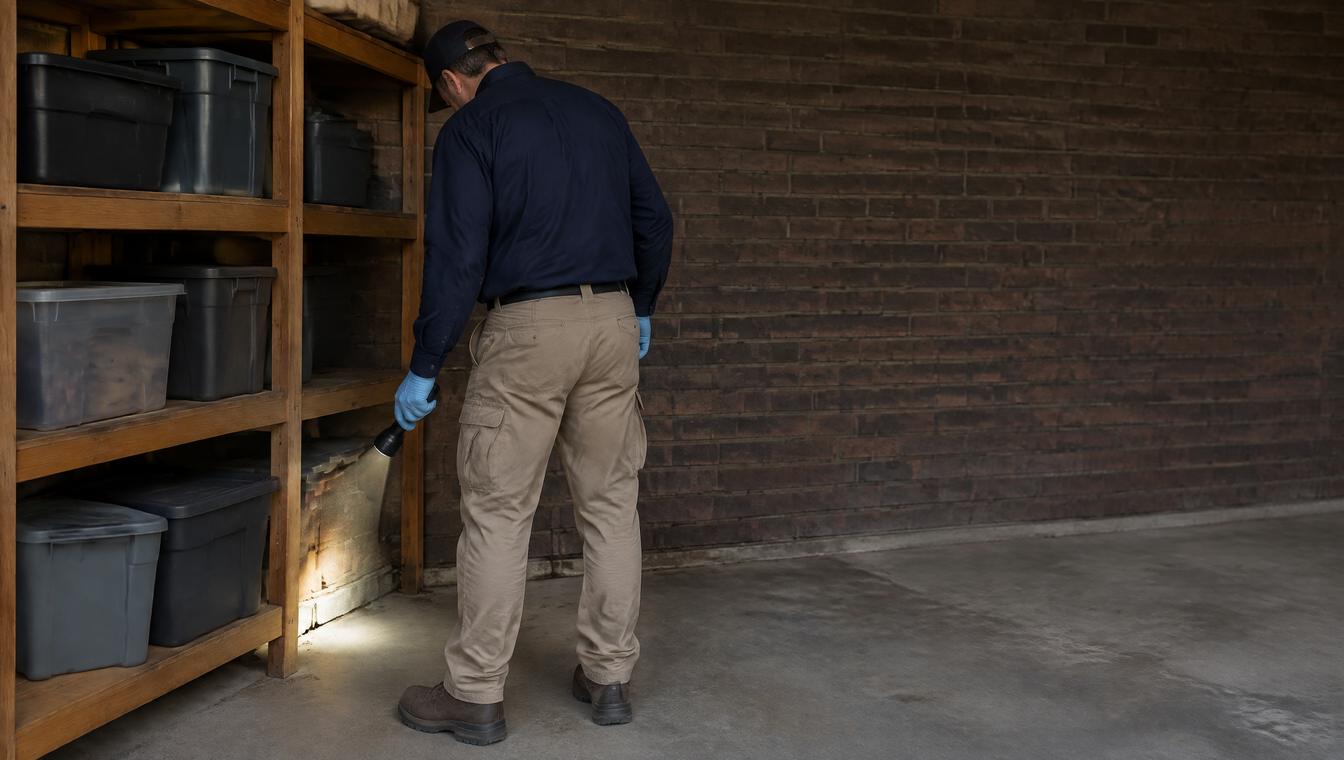
Rockhampton, Queensland
Pest control in Rockhampton
On the Tropic of Capricorn, with a mosquito that bites by day.
In Rockhampton, termite checks come first for most homes, and the dengue mosquito, which bites in daylight and rests indoors, makes water around the yard everyone's job.
- Matched to what you've seen
- Only one local pest business gets your number.
Matched to what you've seen
Before a pest business can take jobs from Which Pest, we record the jobs it handles, so a termite job never goes to a business that only sprays for spiders.
Only one local pest business gets your number.
We pass your contact details to one local pest business so it can contact you about this job.
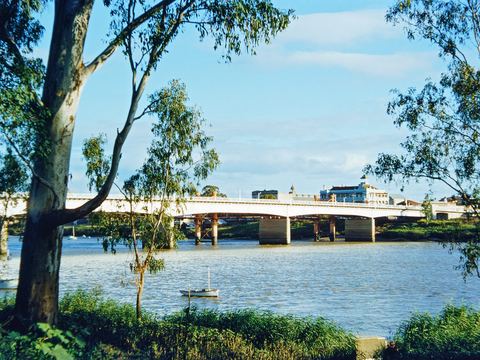
Pest control in Rockhampton: what to know before anyone calls
On this page
What's different in Rockhampton
The dengue mosquito lives here
Rockhampton Regional Council says Aedes aegypti is present in the region, and Queensland Health has rated Rockhampton a moderate risk for a dengue outbreak. In 2019 the city had an outbreak with 13 confirmed cases, including locally transmitted ones.
It bites by day and hides inside
Dengue mosquitoes rest indoors in dark places like wardrobes and under beds, and prefer to bite during daylight. Their larvae grow in buckets, pot plant saucers, birdbaths, tyres, roof gutters and unscreened rainwater tanks.
Storm season, September to April
The council steps up its mosquito awareness campaigns before and through the storm and wet season, from September to April.
Two kinds of termite
Business Queensland says ground termites that travel in enclosed mud galleries occur throughout Queensland, and so does the West Indian drywood termite, which has caused considerable damage to timber homes in the state.
Why termites lead the list
The council's Tropic of Capricorn Spire stands at the southern entrance to the city, and CSIRO puts the risk of termite attack highest in the subtropics and tropics. That's why a regular termite inspection is the first job we'd suggest on almost any Rockhampton house.
After that come timber pest inspections for buyers, cockroaches, rats and mice, spiders and mosquitoes around the yard. The Rockhampton termites page explains how ground and drywood termites differ, and why it changes the treatment.
What the storm season brings out
Winged termites may leave the nest on humid evenings in the warmer months, often around dusk, says CSIRO. A cloud of them at the porch light is worth an inspection booking, since the flight came from a colony somewhere nearby, but it's damaged timber that most people notice first.
Redbacks are found right across Australia, and the Australian Museum says their bites happen most often over summer. One under the outdoor setting isn't worth paying anyone for; a steady stream around a play area is a different matter.
A weekly round for the dengue mosquito
Tip out and scrub
Empty buckets, pot plant saucers, birdbaths, tyres and toys, then turn them over or store them dry.
Check the roof gutters
Blocked gutters hold water for days. Clear leaves and check they drain after rain.
Screen the tank
Unscreened rainwater tanks are a breeding site. Check the screens and the inlet for holes.
Look inside too
This mosquito rests in dark corners indoors. Screens on doors and windows, and a look behind wardrobes, help.

Where we'd start with pests in Rockhampton
Book a termite inspection if you can't remember the last one, and make the weekly water round a habit from September. For anything else you're seeing, tap it and your postcode.
Want someone to look at it?
Tell us what you've seen and your postcode, and a local pest business that handles exactly that calls you to talk it through.
By pest
Pest control services in Rockhampton
Questions
Pest control in Rockhampton: common questions
Can a pest business treat for dengue mosquitoes in Rockhampton?
A pest business can treat around a yard, but we won't say any treatment prevents dengue. The council's own advice starts with removing water from containers every week. For health advice, go to Queensland Health.
Do drywood termites need a different approach?
Often, yes. They live inside the timber instead of coming up from the soil, so ask the termite inspector what signs they'd look for and which treatments reach them.
Do you cover Yeppoon and the Capricorn Coast?
Tell us your postcode and what you've seen, and we look for a pest business that works there. Our Yeppoon page covers what's different on the coast.
Seen a pest in Rockhampton? Tell us what it is.
What you have seen, one tap about it and your postcode. Then a local pest business that handles exactly that calls you.
Before anyone starts
The licence rules where you live
Related help
More on pest control in Rockhampton
 Termite inspections and treatment in RockhamptonThe signs, the inspection and the treatment options for termites in Rockhampton.Read it
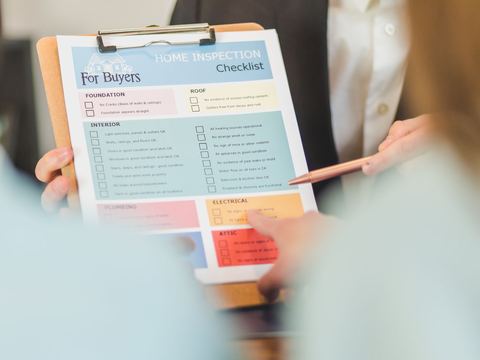 Pre-purchase pest inspections in RockhamptonThe termite half of a Rockhampton building and pest inspection, drywood termites included.Read it
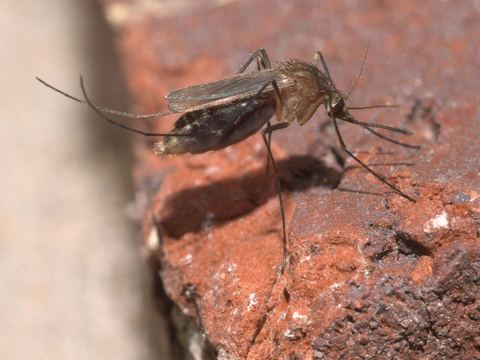 Mosquitoes around the houseWhere mosquitoes breed in a backyard, which repellents health advice names, and what a yard treatment can do.Read it
 Mosquito controlWhere mosquitoes breed in a yard, what a barrier spray can do, and what's your council's job.Read itPest control in YeppoonMosquitoes, sandflies, rats, termites and Queensland renting rules around Yeppoon.Read it
 Pest control in QueenslandQueensland's pest licence, the QBCC termite classes, fire ant reporting, possums and rentals.Read it
Where this information comes from
- Rockhampton Regional Council Dengue Management Plan 2023 to 2027, checked 3 November 2026
- Business Queensland (Queensland Government) Subterranean and drywood termites, checked 3 November 2026
- Rockhampton Regional Council Tropic of Capricorn Spire Visitor Information Centre, checked 3 November 2026
- CSIRO Managing termites, checked 3 November 2026
- Australian Museum Redback spider, checked 3 November 2026
- CSIRO and Forest and Wood Products Research and Development Corporation (copy hosted on a pest management company website) Termite Survey and Hazard Mapping, Cookson and Trajstman, Table 9: How termites were noticed (interviews 1996 to 1998, 5122 dwellings, not a random sample), checked 3 November 2026
Rules and advice change, so check the source before you act on anything here. How we write and check these pages.