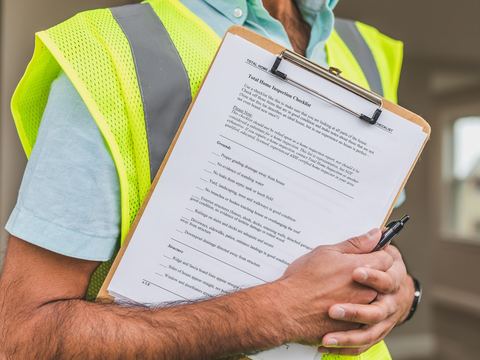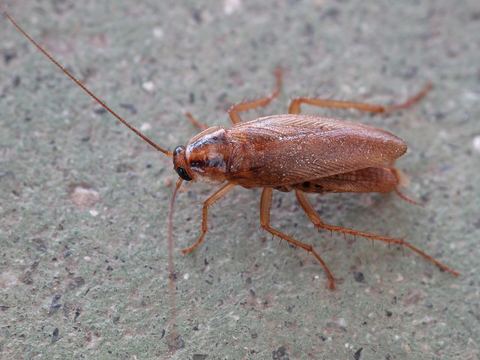
The visit, step by step
The phone call
The pest business asks what you've seen, where and for how long. This is the moment to mention children, pets, pregnancy, allergies, fish tanks and veggie gardens, so they can plan around them.
The look around
Before treating anything, a good technician finds where the pest is living and how it gets in: inside, along the outside walls, and in the roof space or subfloor if that's where the signs lead. Clear the way to the manhole and the edges of the house so they can get to it.
The quote
Once they've seen it, you should get a written quote that names the areas, the product and any follow-up visit. Our guide to choosing a pest controller covers what it should say.
Getting the house ready
The NSW EPA suggests covering kitchen utensils and bench surfaces or moving furniture, covering or removing bird cages and fish tanks, and moving other pets elsewhere. The technician will tell you anything specific to their product.
The treatment itself
What goes on depends on the pest: bait stations (locked boxes that hold rodent bait) for rats, a gel placed in cupboard hinges and appliance gaps for German cockroaches, a dust puffed into a wall cavity or roof space, or a spray along the outside of the house. The product label sets where it may go and how much.
Staying out until it's dry
Better Health Channel advises leaving while the pesticide is mixed and applied and until it's dry, and says four to six hours is generally recommended. Your technician gives the re-entry time for the product they actually used.
The record, and any follow-up
Before they go, ask for a written record: the product's full name, where it was applied, the re-entry time and the date of any return visit.
How long does pest control last?
There's no single answer, and anyone who gives you a number before they've seen the house is guessing. It depends on the product and what its label allows, which pest it is, whether rain reaches an outside treatment, and whether the thing feeding the pest has been fixed.
The label is the reference point. Under the Agvet Code, nobody may make a claim about a registered chemical product that's inconsistent with its approved label (s 84). So ask the technician what results to expect for your job, and ask them to put what any warranty covers in writing.
How often should you get pest control?
For general pests like cockroaches, ants and spiders there's no set schedule: the time to call is when you're seeing them and the clean up hasn't helped. Booking a spray by the calendar, with nothing to treat, is rarely money well spent.
Termites are the exception, because the damage stays hidden. The QBCC in Queensland advises an inspection and report every year by someone licensed for pest control, or more often where termites are more active. Newer homes have a durable notice, usually in the meter box, that gives the recommended frequency of future termite inspections. Our termite inspection guide explains the visit.
What a pest inspection covers
- Where the pest is living, and the gaps and paths it uses to get inside.
- Droppings, rub marks, webs, shed skins or damaged timber that show how far it has spread.
- The roof space and subfloor, if they can be reached and the signs point there.
- What's feeding it: a leak, open food, pet bowls, rubbish or garden beds against the walls.
- What the job would take: a treatment, proofing, a follow-up, or nothing yet.
Your share of the job
You can
- Fix the drip under the sink and any leak near the walls.
- Keep food sealed, benches wiped and pet food put away at night.
- Pull mulch and garden beds back from the walls, and store firewood off the ground.
- Tip out standing water in pot plant bases, buckets and blocked gutters.
Leave to a pest business
- Applying any pesticide inside, in the roof space or in a wall cavity.
- Setting rodent bait stations.
- Termite inspections and treatments; the treatments need their own licence category in several states.
- Anything at height or in a tight roof space.
If someone is unwell after a treatment
Call the Poisons Information Centre on 13 11 26, any time, if you think someone has been exposed to a pest product. If they collapse, have a seizure, stop breathing or have a severe allergic reaction, call 000. For a pet, ring your vet.

How we'd get ready for a pest treatment
Before anyone treats anything, we'd take away what the pest is living on: the drip, the open pet food, the gap under the door. A treatment then has a fair chance, and you'll know sooner whether it's working. Then tap the pest you've seen.
Want someone to look at it?
Tell us what you've seen and your postcode, and a local pest business that handles exactly that calls you to talk it through.