Who needs a pest licence in NSW?
Anyone who uses pesticides or fumigants in their work needs a licence from the NSW Environment Protection Authority (EPA): a pest management technician licence for pesticides, or a fumigator licence for fumigants.
NSW licences are awarded to an individual. The EPA can't award one to a business or a business name, so the signwriting on the van doesn't tell you who holds the licence.
The rule reaches the business too. Under the Pesticides Regulation 2017, nobody may use a pesticide in the course of a business, or employ or engage someone to use one, unless the person using it is qualified.
Termites need the timber pest licence
Anyone who renewed or first got their NSW pest licence after 17 December 2021 needs the timber pest management technician licence to do timber pest treatments, and termite treatment is timber pest work.
Some termite work needs no EPA licence at all: a timber pest inspection that uses no pesticide, or a termite barrier with no pesticide in it. For those jobs, ask about the inspector's training and insurance instead.
How to check a NSW licence at the door
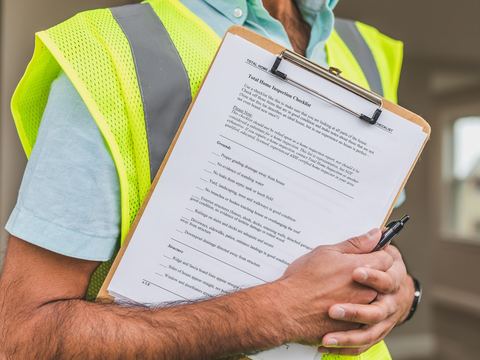
- Ask to see the photo licence card before any work starts, as the EPA suggests.
- Check the photo matches the person doing the work.
- Check the expiry date hasn't passed.
- For termites, ask whether they hold the timber pest licence.
- The EPA also places every pesticide licence it issues on a public register.
Licences from over the border
Since 1 December 2022, someone with a current pesticide licence from another state or territory may be entitled to work in NSW under automatic mutual recognition. Queensland licences are the exception: the EPA says some similar interstate licences are accepted in NSW, except those issued in Queensland.
Seen fire ants? Report them
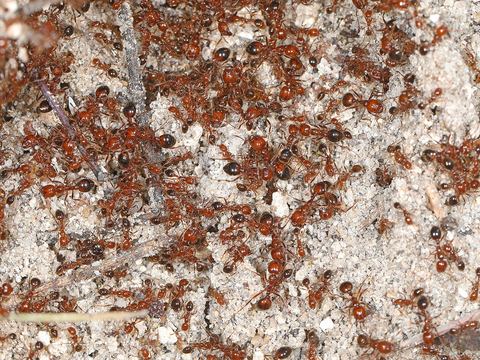
Fire ants are prohibited under the NSW Biosecurity Act 2015. Leave them alone, don't try to treat or capture them, take a clear photo or video, and report them to the NSW Biosecurity Helpline or with the online form. If someone has trouble breathing after a sting, call 000.
Where fire ants have turned up
The NSW Government reported fire ants at the Enfield Intermodal Logistics Centre, in Sydney's inner west, on 13 October 2026, and a nest there was treated. Control orders covering 2 km around the site took effect on 26 October 2026.
Up north, Tweed Shire Council says a NSW Biosecurity (Fire Ant) Emergency Order is in place until further notice. In February 2024 the NSW Government asked Northern Rivers residents, around Lismore and Ballina, to watch for fire ants after detections at South Murwillumbah and Wardell. Zones change, so we never say whether a street is in or out. The helpline can.
Possums: protected, and licensed to handle
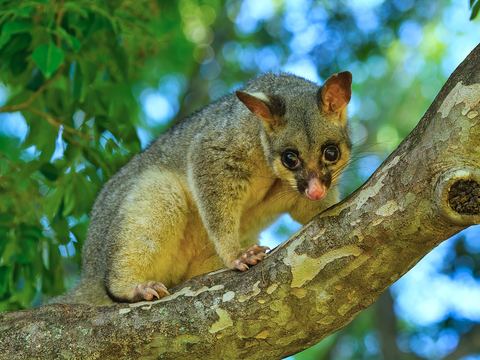
Possums are protected in NSW under the Biodiversity Conservation Act 2016. Trapping one, catching and releasing it, moving it or harming it is illegal without a licence.
Catch and release operators are licensed by the department's Biodiversity and Heritage Regulator. A possum must be let go at dusk, no more than 150 metres from where it was caught, beside something it can climb straight away, like a tree or a tall fence. The department suggests asking whoever you hire whether they hold a current licence.
Proofing is the part that lasts. NSW advice is to close off the way in only once you're sure the possum has left the roof to forage, which is usually at night. Our possums page has more.
Renting in NSW
Generally, the landlord deals with pests that were there when the tenancy began, as part of handing over a reasonably clean home that's fit to live in. Tenants are generally responsible for pests their own rubbish or habits attract later, such as cockroaches, ants or mice, though maybe not if pests got in another way, like a hole in the wall.
A lease term making the tenant pay for professional fumigation is banned in NSW, with one exception: the landlord agreed to a pet that's a mammal and lives indoors. If that condition is in your pet agreement, it applies whether or not there's an infestation. Disputes about who pays can go to NSW Fair Trading's dispute resolution service.
Strata and shared buildings
In a residential complex, whoever arranges pest or fumigation work in the common areas, strata managing agents included, must give residents a pesticide use notice at least 5 working days before. Urgent jobs on a wasp nest or rats get an exception, as long as a notice goes up and records are kept.
Buying a home in NSW
NSW Government advice is that a building inspection report won't show whether termites and other timber pests are still around, so get a pest inspection as well, especially where termites are a known problem. The building report is a separate job, for someone like a licensed builder, a surveyor or an architect.
Pick an inspector with adequate insurance, particularly professional indemnity, and don't treat a seller's pre-sale report as a substitute for your own. There's no cooling-off period at auction, so book early. Our pre-purchase inspections page explains what's covered.
The local picture, from the coast to the plains
European wasps are firmly established in metropolitan Sydney, the Australian Museum says, and are found around Bowral and Moss Vale in the Southern Highlands and inland at Wagga Wagga, Albury, Orange and Bathurst.
The Sydney funnel-web's main range runs from the Central Coast south to the Georges River, with some records from the Blue Mountains and Wollongong.
Inland, mosquitoes are the bigger story. As at 30 July 2026, NSW Health lists areas including Dubbo Regional, Tamworth, Armidale, Goulburn Mulwaree, Lismore and Byron as Japanese encephalitis high risk areas. That's public health advice from NSW Health, not a job for a pest business.
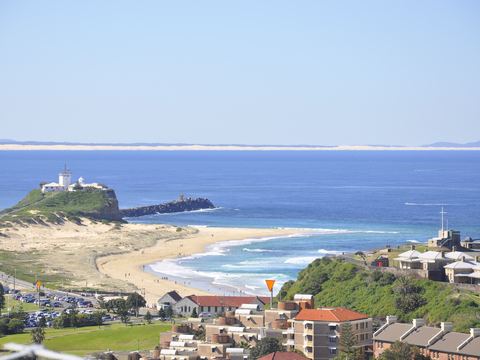
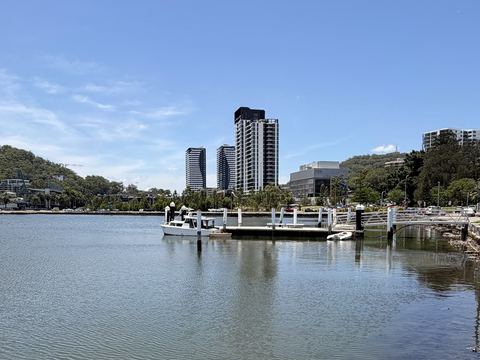
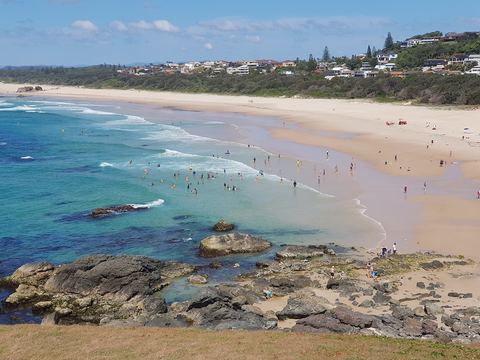
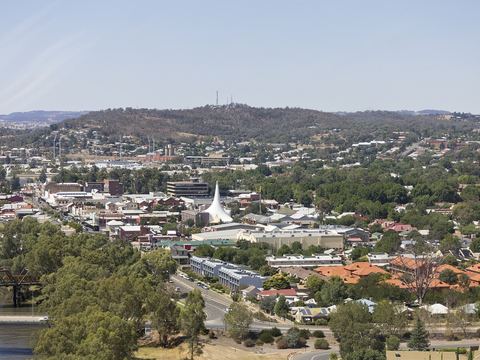
Every NSW city we cover is listed below, including Newcastle, Port Macquarie, Coffs Harbour, Grafton, Taree, Nowra and Batemans Bay.
Before the spray goes down
- What's the full product name of the pesticide you'll use?
- Can I see the safety data sheet? NSW pest controllers must provide it on request.
- Should we cover the fish tank and bird cage, and move the other pets?
- When can we go back in? The EPA's advice is once the area has dried and been well ventilated.

Where we'd start with pest control in New South Wales
We'd ask to see the technician's photo card at the door, match the face and the expiry date, and for termites ask about the timber pest licence before any quote is signed. If it looked like fire ants, we'd call the helpline first and leave the ants alone.
Want someone to look at it?
Tell us what you've seen and your postcode, and a local pest business that handles exactly that calls you to talk it through.