
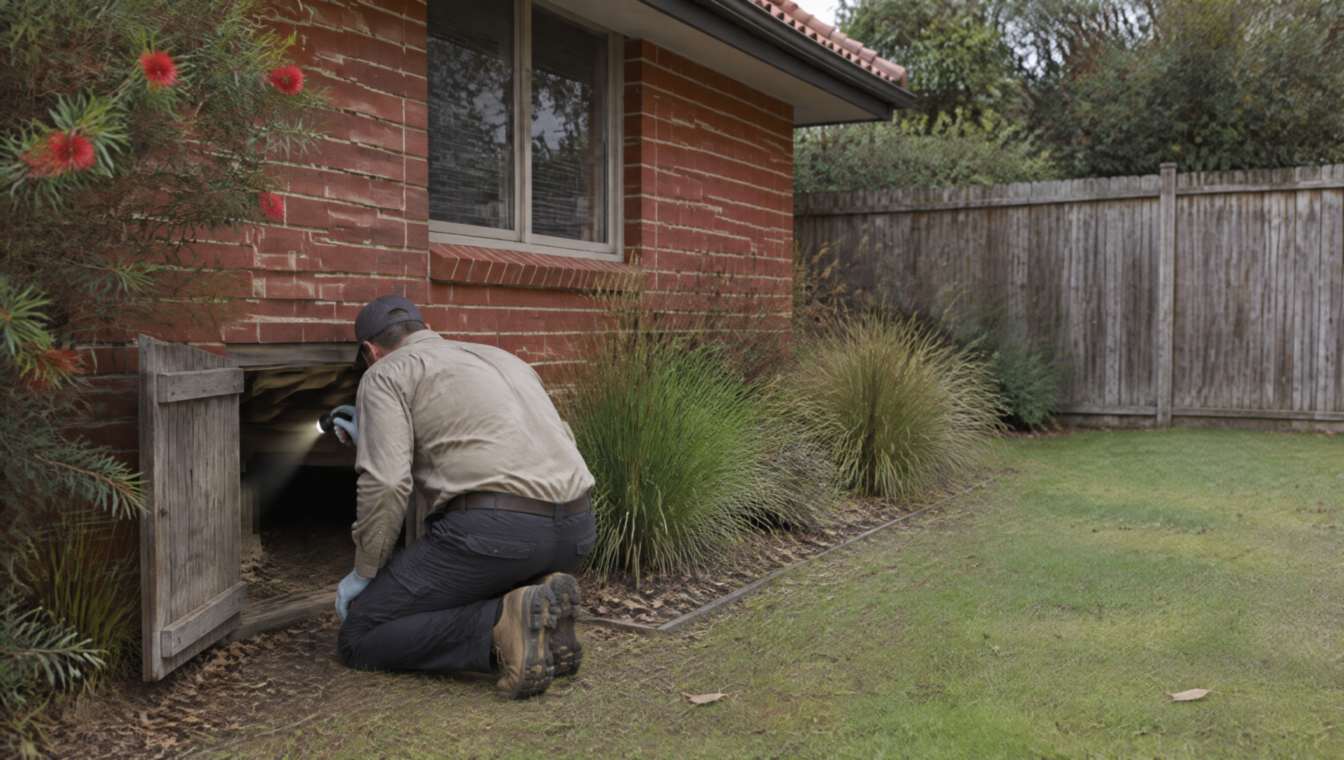
Dubbo, New South Wales
Pest control in Dubbo
Inland pests follow the rain.
In Dubbo, the pests that shape the year are inland ones: mosquitoes after rain or irrigation, and mice once the nights turn cool.
- Matched to what you've seen
- Only one local pest business gets your number.
Matched to what you've seen
Before a pest business can take jobs from Which Pest, we record the jobs it handles, so a termite job never goes to a business that only sprays for spiders.
Only one local pest business gets your number.
We pass your contact details to one local pest business so it can contact you about this job.
Pest control in Dubbo: what to know before anyone calls
On this page
What's different out here
On the Japanese encephalitis list
As at 30 July 2026, NSW Health lists Dubbo Regional as a Japanese encephalitis high risk area. That's a health listing about mosquitoes and people, handled by NSW Health and your GP; no pest treatment changes it.
A different mosquito from the coast
NSW Health reported that Culex annulirostris was the most abundant inland mosquito over summer in the 2024 to 2025 season. Inland, it says, mosquito numbers are driven by rainfall and irrigation.
Ross River virus is an inland story too
In 2024 to 2025, NSW Health said Ross River virus notifications were highest in inland regions, particularly the Hunter New England, Murrumbidgee and Western NSW health districts.
Locals are trapping mynas
In April 2026, Dubbo Regional Council's community funding round supported Dubbo Environment Group to build Indian myna traps. That's a community program; gaps in your own eaves are a proofing job.
Mice after a good season
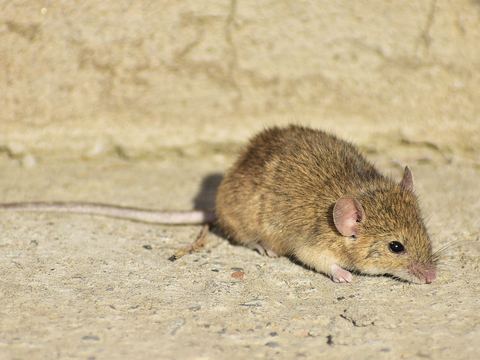
The Australian Museum says house mouse numbers seem to rise after rainfall, and can build to plague levels that last three to four years. In May 2021 CSIRO said highly favourable conditions had pushed mouse numbers up in parts of NSW and Queensland, and that a plague like that comes about every 10 years.
Mice breed fast: CSIRO says from about six weeks old, every 19 to 21 days, with litters of up to 10. Cooler weather sends them looking for shelter indoors, so autumn is when the scratching in the ceiling starts.
If you're cleaning up after them, NSW Health advises gloves, waterproof clothes and shoes, a waterproof dressing over any cut, and washing your hands with soap afterwards. Mop floors and wipe benches with disinfectant or a bleach solution.
Bees: a swarm, or a hive in the wall?
A cluster of bees hanging off a branch or a fence is a swarm on the move, and a local beekeeper is usually the person to ring. Bees flying in and out of a gap in the brickwork, the eaves or a wall cavity have set up house, and that's when a pest business gets involved.
In NSW, anyone who keeps European honey bees has to register as a beekeeper, even with one hive. If the bees are coming from a neighbour's box, a friendly word comes before any pest job.
Around the yard before summer
- Tip out water from pot bases, buckets, tyres, toys and pet bowls at least once a week.
- Check rainwater tanks are screened and gutters drain.
- Store grain, pet food and chook feed in sealed metal or hard plastic bins.
- Seal gaps around pipes and under doors before the first cold nights.

If we lived in Dubbo
For us, mosquitoes are a cover up and drain the water job, and the pest business is for what's inside: mice in the ceiling, bees in a wall, or termites if you're buying. Seal the gaps early in autumn, before the mice go looking for a way in.
Want someone to look at it?
Tell us what you've seen and your postcode, and a local pest business that handles exactly that calls you to talk it through.
Questions
Pest control in Dubbo: common questions
Is Japanese encephalitis something a pest business deals with?
No. It's a public health matter, so NSW Health and your doctor are the people to ask, including about vaccination. Around the house, emptying standing water every week and fixing fly screens are what NSW Health suggests.
Does a building and pest inspection in Dubbo cover termites?
Ask whether a combined report includes a timber pest inspection, and who does it. NSW Government advice is to make sure you get that pest inspection, because a building report alone won't show whether termites are still around. Our pre-purchase pest inspections page has more.
Seen a pest in Dubbo? Tell us what it is.
What you have seen, one tap about it and your postcode. Then a local pest business that handles exactly that calls you.
Before anyone starts
The licence rules where you live
Related help
More on pest control in Dubbo
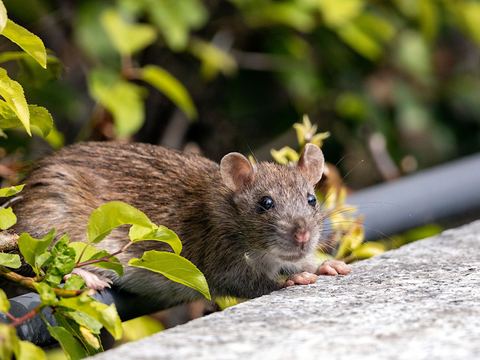 Rodent controlRat or mouse? Droppings, noises, what a pest business does and how to clean up.Read it
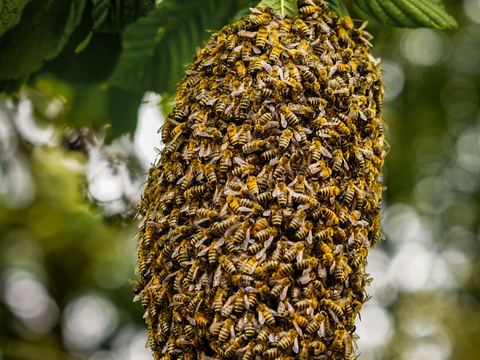 Bee hive removalSwarm or colony, who to call for each, and what to ask before anyone opens a wall.Read it
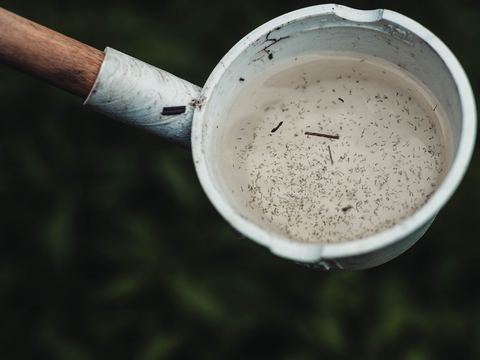 Mosquito controlWhere mosquitoes breed in a yard, what a barrier spray can do, and what's your council's job.Read it
 MiceMouse droppings, gnawed packets and scratching at night: how to confirm it's mice and what to do next.Read it
 Pest control in New South WalesWho the NSW EPA licenses, the timber pest licence, possums, fire ants and renting rules.Read it
Where this information comes from
- NSW Health Japanese encephalitis virus (JEV) vaccination (high risk areas), checked 3 November 2026
- NSW Health (Health Protection NSW and NSW Health Pathology, ICPMR Westmead) NSW Arbovirus Surveillance Program Annual report 2024-2025, checked 3 November 2026
- Dubbo Regional Council Outcomes from the April 2026 Ordinary Council Meeting, checked 3 November 2026
- Australian Museum House Mouse, checked 3 November 2026
- CSIRO Mouse plague in Queensland and New South Wales, checked 3 November 2026
- NSW Health Staying healthy during a mouse plague (fact sheet), checked 3 November 2026
- Australian Business Licence and Information Service (business.gov.au) Beekeeper registration, NSW, checked 3 November 2026
- NSW Health Mosquito reduction, checked 3 November 2026
- NSW Government (nsw.gov.au) Inspection reports (buying property in NSW), checked 3 November 2026
Rules and advice change, so check the source before you act on anything here. How we write and check these pages.