After a spider bite
healthdirect says a bite from any big black spider is a medical emergency: call 000 and keep the person still while you wait. For any other bite, ring the Poisons Information Centre on 13 11 26 at any hour and they'll talk you through first aid. Funnel-web and redback bites are handled differently, so follow their advice rather than a first aid chart for the wrong spider.
Which spiders are worth a call?
The Australian Museum says only male Sydney funnel-webs and redbacks have caused human deaths in Australia, and there have been none from a confirmed spider bite since 1979. Those two, plus mouse spiders, are the ones to take seriously around a house.
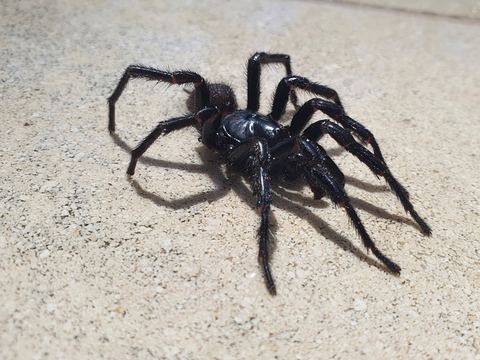
Funnel-webs live in silk lined burrows in moist, shaded spots such as rockeries, dense shrubs, logs and leaf litter, with irregular silk trip lines around the entrance. Males wander at night in the warmer months, from November to April, and sometimes end up in pools, backyards or houses. Mouse spiders have a bulbous head and jaws and are easily mistaken for funnel-webs.
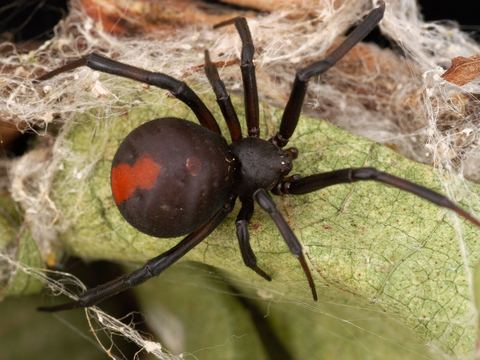
Redbacks build messy webs in dry, sheltered places: sheds, under steps, among rubbish and around pools. Bites usually happen when a hand goes straight into a web, so they matter most under outdoor furniture, play equipment and the edges of the shed.
The common house spiders, and our view
| Where you'll find it | Worth a treatment? | |
|---|---|---|
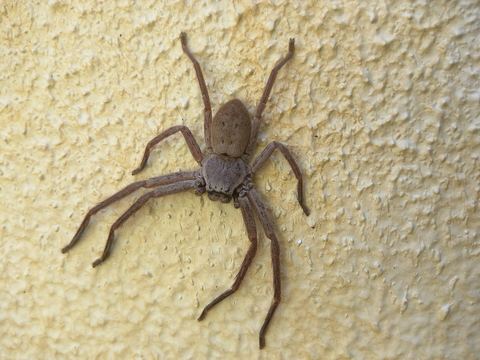
| Huntsman | On walls, behind curtains, in the car | Rarely. Not considered dangerous and reluctant to bite |
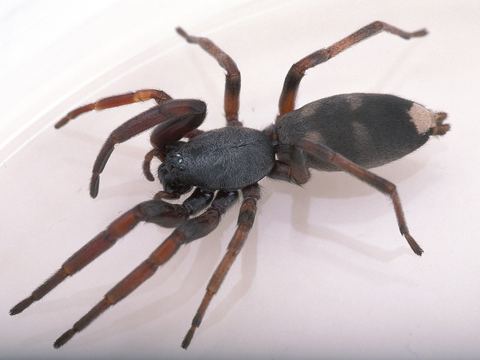
| White-tailed spider | Bathrooms and laundries, at night; no web | Rarely. Not considered dangerous to people |
| Black house spider | Lacy webs in window corners | Only in numbers. Timid, so bites are uncommon |
| Daddy long legs | Thin webs in ceiling corners and behind doors | No. The venom story has no evidence behind it |
| Redback | Dry, sheltered spots outside | Yes, if they keep turning up near people |
| Funnel-web | Burrows in damp, shady garden beds | Yes, around homes in its range |
What a spider treatment can and can't do
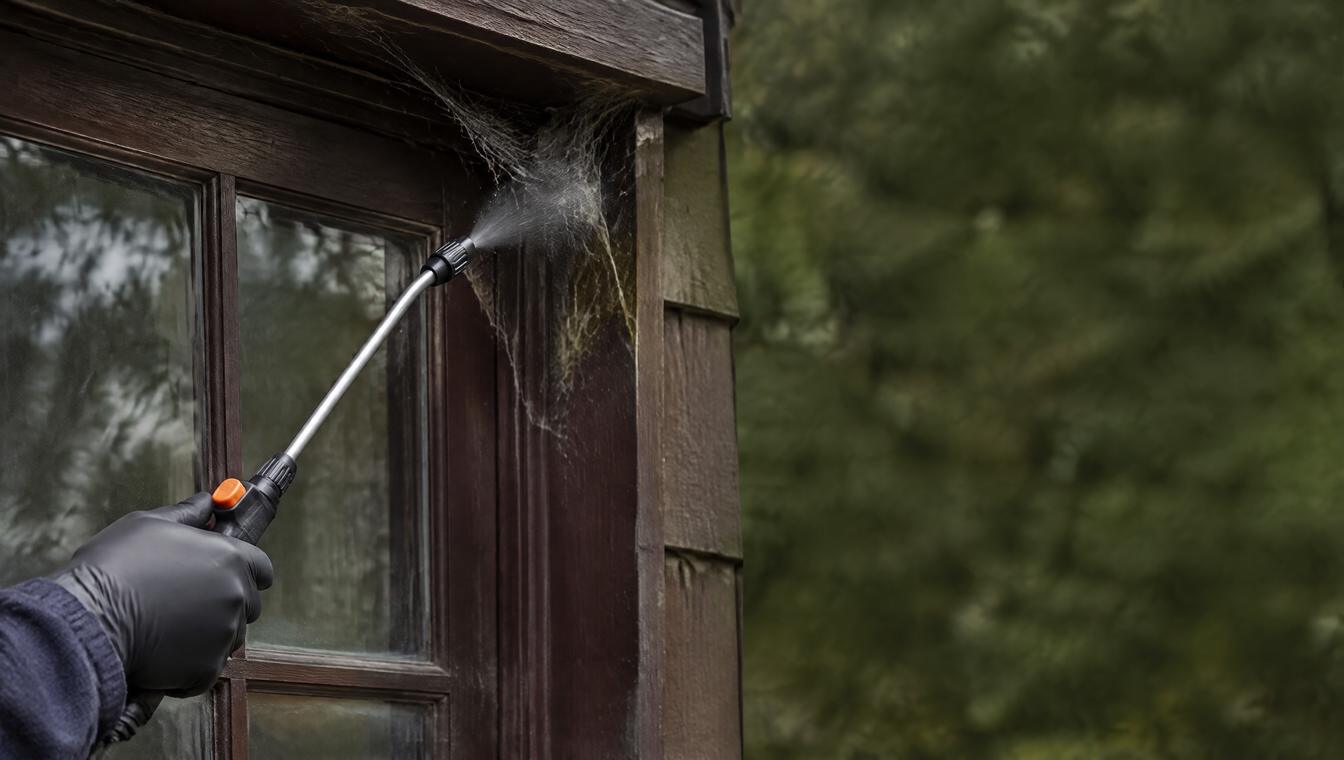
The technician should inspect first: where the webs and burrows are, how spiders are getting in, and which kind they're dealing with. A treatment then goes onto the places spiders shelter and travel, such as eaves, window frames, fences, sheds, the underside of decks and the base of the walls, and many technicians brush the webs down as they go.
Be realistic about the result. The Australian Museum says getting rid of spiders long term is almost impossible, because young spiders arrive on the wind, ballooning on strands of silk. A treatment thins out the spiders living around the house now; it doesn't stop new ones landing. Better Health Channel advises against reaching for outdoor insecticides, which may drive spiders indoors, and suggests asking a pest control operator for advice instead.
What makes the job bigger
Funnel-web burrows across a big, shady garden take more time than a few redback webs around a shed. So do decks with no clearance underneath, a subfloor or roof space that needs checking, double storey eaves, and outbuildings. If you also want cockroaches and ants dealt with, a general pest treatment may cover spiders in the same visit.
What helps around the house
You can
- Fit draught strips to doors and flyscreens to windows and vents.
- Cut shrubs back from doors and windows.
- Wear gloves when you move pots, timber or anything stacked outside.
- Shake out shoes, gloves and clothes left outdoors.
- Keep car windows and doors shut at night.
Leave to a pest business
- Funnel-web burrows, and any spider in a pool or inside the house that might be one.
- Spiders under decks, in roof spaces or in the subfloor.
- Redbacks that keep coming back around play areas.
What to ask the technician
- Which spiders are you treating for, and exactly where will the product go?
- What's the product's full name, and how long should children and pets stay off treated areas?
- Will the webs be brushed down as part of the visit?
- What should we expect over the next few weeks, and is a follow up included?

Where we'd start with spider control
We'd leave the lone huntsman alone, or walk it out on a broom. If funnel-webs or redbacks keep appearing near paths, pools or play areas, that's worth a visit: tap Spiders or ants and say which spider you've seen.
Want someone to look at it?
Tell us what you've seen and your postcode, and a local pest business that handles exactly that calls you to talk it through.