After a white tail bite
Wash the bite with soap and water and put a cold pack on it for 15 minutes, as Better Health Channel advises, and see a doctor if symptoms become severe. For first aid advice any time, call the Poisons Information Centre on 13 11 26. If someone is very unwell, call 000.
What a white tail spider looks like
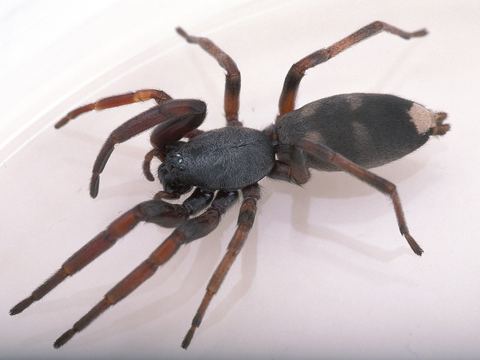
The body is long and cigar-shaped, dark reddish to grey, with dark orange-brown banded legs and a white spot at the very tip of the abdomen. Males are about 12 mm long and females about 18 mm.
Australia's two common southern species, Lampona cylindrata and Lampona murina, look much alike and overlap in the south-east. The first is found across southern Australia, from south-east Queensland to WA; the second along the east, from north-east Queensland to Victoria.
Why they're in the bathroom
White tails spin no web. They roam at night hunting other spiders, and the Australian Museum says they're often found in bathrooms and laundries. Outdoors they shelter under bark and rocks, in leaf litter and logs.
Their favourite food is other spiders, especially black house spiders, which is part of why houses suit them. They'll pluck at another spider's web to imitate trapped prey, then strike when the owner comes out to check. You'll see them indoors most in summer and autumn.
Does a white tail bite cause ulcers?
No, on current evidence. The Australian Museum reports a study of over 100 verified white tail bites that found not one case of ulceration. healthdirect says white tails aren't considered dangerous to humans and that their bites don't appear to cause skin ulcers, and Better Health Channel says the old link to flesh damage hasn't been confirmed by studies.
What a bite does cause is burning pain at first, then swelling and itchiness. If a bite looks infected or keeps getting worse instead of settling, see a doctor; Te Papa notes that infection of a bite can be an issue.
Fewer white tails indoors
You can
- Shake out towels, clothes and shoes left on the floor before you use them.
- Brush away black house spider webs around window frames, so there's less for white tails to eat.
- Fit draught strips to doors and flyscreens to windows and vents.
- Keep shrubs trimmed back from doors and windows.
Leave to a pest business
- A spider treatment if you're seeing lots of spiders of every kind, not just the odd white tail.
- Spiders in places you can't reach, like a roof space or under a deck.

What we'd do about the white tail spider
The odd white tail in the bathroom is normal and not a reason for a treatment. Put it outside, clear the old webs it was hunting around, and shake out towels. If spiders are turning up all over the house, tap Spiders or ants.
Want someone to look at it?
Tell us what you've seen and your postcode, and a local pest business that handles exactly that calls you to talk it through.