A big black spider in the bedroom
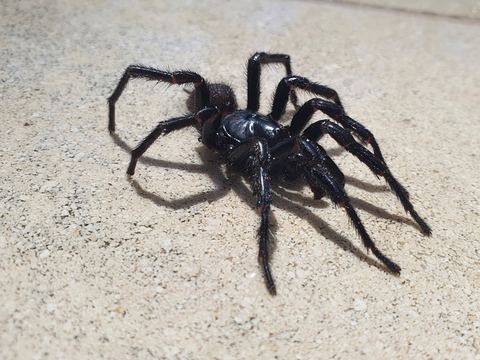
healthdirect says to treat a bite from any big black spider as a medical emergency: call 000 for an ambulance. For a funnel-web bite, it says to lie the person down, keep them still, apply an elasticated roller bandage and use a splint to keep the limb still. The Australian Museum advises checking clothing, shoes and bedding, because funnel-webs shelter in damp places.
Bed bugs: read the mattress
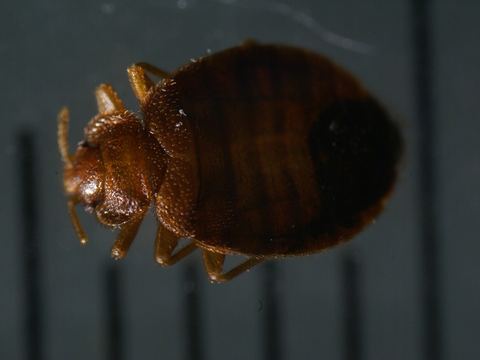
healthdirect says bed bugs live in cracks and crevices and are most often found in mattress seams, and also hide in bed frames, bedside tables, picture frames, behind wallpaper, under carpet edges and behind skirting boards. The signs are small spots of blood on the sheets or mattress and brown spotting from their droppings; Better Health Channel says rusty or dark spots can show on bedding or walls too. A large infestation can give off a sickly sweet smell.
Bites are most often on exposed skin, such as the arms and shoulders. Better Health Channel says bed bugs are active at night but will also bite during the day, taking around five to 10 minutes to feed. NSW Health says they aren't known to spread disease, but they cause itching and lost sleep.
They aren't a sign of a dirty house. Better Health Channel says they're most often found where occupants change often, such as hotels, hostels and apartment complexes, but any household can get them.
Checking for bed bugs
Strip the bed
With a torch, run along the mattress seams, piping and labels, and the underside corners.
Check the frame and bedhead
Joints, screw holes and the back of the bedhead are favourite hiding spots.
Look beyond the bed
Bedside drawers, picture frames and the skirting nearest the bed.
Keep a note of bites
Where on the body, and which nights. It helps the pest business.
Leave the mattress where it is
Don't drag it to another room or out to the kerb before a pest business has seen it: bed bugs travel in furniture and bedding.
Holes in clothes: moths or carpet beetles?
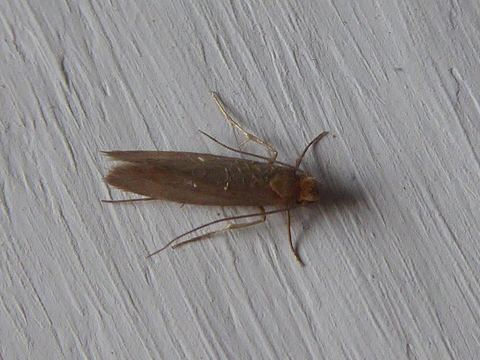
With clothes moths, it's the larvae, not the adult moths, that eat fabric, says Queensland Museum. Casemaking clothes moths leave larval cases inside items such as felt hats, along with their droppings (frass). The Australian Museum says the adults avoid light and prefer the dark of a wardrobe or drawer, and Queensland Museum notes they prefer dirty fabric for laying eggs.
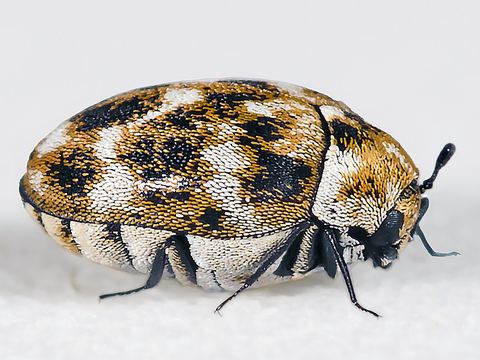
Carpet beetle larvae damage furniture, clothing, blankets, furs and carpets, says the Australian Museum, and finding the small beetles on a window sill can mean an infestation inside. Empty hairy larval skins are a giveaway, and the larval hairs can cause allergic reactions in some people. The job for both is the same: carpet beetle and moth control.
Spiders and mosquitoes
A huntsman behind the curtains is a fright, not a pest job. For mosquitoes, healthdirect says insect screens without holes, or a net over where you sleep, help prevent bites.

Where we'd start with pests in the bedroom
We'd strip the bed and check the seams with a torch before blaming bites on anything else. Spots and specks there mean a call to a pest business, with the mattress left where it is. For holes in jumpers, we'd wash and seal the woollens and look for larval cases first. Tap Bed bugs if the seams tell you so.
Want someone to look at it?
Tell us what you've seen and your postcode, and a local pest business that handles exactly that calls you to talk it through.